Your body goes through several changes while shooting a gun. These include increased brain activity and heart rate. In addition, your body has to process everything your doing in order to line up the shot.
Let’s explore how shooting effects your body and how to improve your accuracy.
Your Shooting Eye(s)
Do you shoot with your left eye, right eye, or both eyes? Just like a dominant hand, most people will have a dominant eye. The first thing you to determine is which eye is your dominant.
Once determined, use that eye to aim with.
[sym_ads id=”11613″]
Hand-Eye Coordination
Ideally you want to squeeze the trigger with your dominant hand and aim with your dominant eye.
Eye Dominance
It is possible for the dominant eye and the dominant hand to differ. In this case, it can be beneficial to favor the dominant eye.
Example: A right-handed shooter has a left-dominant eye. They may shoot more accurately while using their left-hand and aiming with their left-eye.
Do what works for you.
Aiming Focus
Typically nearsighted shooters are more accurate. This suggests that it’s more beneficial to focus on the sights rather than the target.
While shooting your brain releases Dopamine and endorphins. Endorphins are responsible for the feeling of happiness. While Dopamine, a neurotransmitter, causes you to feel a sense of excitement and alertness.
In addition your brain patterns are typically affected.
Alpha Waves are attributed to being in a relaxed state. Research also shows that shooters with an abundance of Alpha Waves are usually more accurate.
Your Heart While Shooting
Shooters whose heart rate that increases between 8 and 20 beats per minute are typically more accurate.
Research also shows that marksmen who fire between heart beats are more accurate.
[sym_ads id=”11614″]
Physical Training
Firing a gun is a physical activity. It requires strength to hold the firearm up and to keep it steady.
Partaking in a an exercise program that targets specific muscle groups may increase performance. It can create better endurance, develop better reactions, and increase your control over the firearm.
Shooting burns anywhere between 148 calories an hour (CPH) and past 233 CPH depending on your weight.
Firearm Shooting Accuracy
There’s an abundance of training videos, books, and articles. However, you should keep to what works best for you. Just remember there are improvements that you can make through practice and training.
Let us know below about your training tips and practices.
Choosing the right school and/or instructor for YOUR training needs
Finding the right firearms instructor and/or school is a necessity gun enthusiasts. This guide covers how to find firearms instructors that fits your needs.
It seems there is a firearms instructor on every block these days. The political climate has made the gun industry explode and with it the need to learn how to shoot your newly purchased firearms.
[sym_ads id=”11613″]
The first thing you need to do is honestly look at your skill level. This is a time to be honest and leave the ego behind. Guns aren’t toys and you need to know the facts, so don’t let your ego get in the way of truly learning what you need to know. Next, choose the right instructor for your skill level. Thirdly, get weapon specific training in a small class or one on one setting. There are things in common from one platform to another, but handguns and long guns are completely different animals. Don’t take a basic pistol class and think you have mastered the art of shooting carbines and shotguns. It doesn’t work that way. Finally, find someone that you feel comfortable with. Especially if you are a female and/or new to shooting. Not all instructors are created equal and some might not fit your needs. In many cases, an instructor could expect you, as the student, to have some basic knowledge. Even when that isn’t always the case.
Skill Level
What’s your skill level? Many schools and instructors offer a wide range of classes from extremely basic courses to advanced defensive classes that are very high level training. This is both good and bad for a few reasons. Some of these guys teach classes well above their own skill level and are teaching by theory rather than by personal experience. Know your skill level and your instructor’s skill level. It will save you time, money, and frustration.
Remember: There is no shame in starting with fundamentals. If you haven’t perfected your stance, draw, grip, sight alignment, and trigger control then all the training in the world is for naught. In laymen’s terms, if you can’t hit the ‘x’ ring ten-for-ten shots, then you need to start at the bottom and work your way up. This is not to say that you are incompetent with your weapon, it’s just that you have not yet mastered it. Shooting and marksmanship is a perishable skill. Keep training and don’t be ashamed of remedial training.
Weapon Specific Training
If it’s handgun training you seek, then get an instructor that specializes in handgun training. You will find that there are many instructors that have a specialty. This is usually based on their personal skill set. An instructor or school that specializes in lower lever classes is usually not the school that you would go to for cross training with carbine and shotguns. A basic pistol class is different from a defensive pistol class, a skeet class is different from a defensive shotgun class, and a hunting class is very different from a defensive carbine class. The training is different and the weapon systems are different. They may be the same type of weapon but have very different end use and characteristics.
[sym_ads id=”11614″]
Get training on the weapon you intend to use and In the manner you intend to use it in. You may hunt every year with a rifle or shotgun, but that doesn’t mean you are proficient with said weapon as a defensive tool. It also doesn’t mean that that particular weapon is ideal for defending your family. Every weapon is different and their uses differ. You don’t shoulder an AR-15 in the same manner you shoulder a shotgun or hunting rifle. You do use a lot of the same skills sets across handgun, shotgun and rifle platforms but the end usage is different. Get training in each discipline for defense. How you use these skills varies hugely and doing something wrong can mean your life or that of your loved ones.
Comfort Level
There are additional aspects that you need to consider. If you are a new shooter then someone that is good at teaching the basics is also a must. An instructor teaching over your head and expecting you to “catch up” is a disservice to you and the class in general. It can cause safety issues in the class and yourself when you return home. It may also frustrate you to no end.
Make it easy on yourself and find the right person from the start. A humble instructor is a good instructor. I learn from my students in almost every class because they teach me how to be a better teacher. If you are taking a class from John Rambo, then you may need to reassess.
Your instructor should be someone you trust your life and your spouse with! Literally, I mean that. If you don’t have that much confidence in your instructor, then you should find another one, period!
This is a general guide on how to get a concealed carry permit. It is imperative to know that each state handles it differently, and this is only a basic overview.
There’s a lot to consider when one stats the process of getting a concealed carry permit. As they say, “With great power, comes great responsibility.” Not only does one have to recognize the moral responsibility, but also the laws that come with a concealed carry license.
Before you get started, know this won’t be an easy process. It’s just like any other government issued permit or license, one has to jump through rings of fire. Each state does this process differently.
Check Your State’s Laws
First thing that you have to do is familiarize yourself with the gun laws in your state. Pay close attention to your state’s carry laws and know how your state issues permits. There are three (3) types of states that issue permits.
Shall Issue States
These states shall issue you a concealed carry permit if you pass the background check, with as a few additional steps (depending on the state). These states include: Alabama, Alaska, Arizona, Arkansas, Colorado, Florida, Georgia, Guam, Idaho, Illinois, Indiana, Iowa, Kansas, Kentucky, Louisiana, Maine, Michigan, Minnesota, Mississippi, Missouri, Montana, Nebraska, Nevada, New Hampshire, New Mexico, North Carolina, North Dakota, Ohio, Oklahoma, Oregon, Pennsylvania, South Carolina, South Dakota, Tennessee, Texas, Utah, Vermont, Virginia, Washington, West Virginia, Wisconsin, and Wyoming.
May Issue States
The states in this category may issue a permit if they deem fit. Each state is different, and some almost impossible. The May Issue States include: California, Connecticut, Delaware, District of Columbia, Hawaii, Maryland, Massachusetts, New Jersey, New York, Puerto Rico, Rhode Island, and the U.S. Virgin Islands.
Rights Denied States
These states/territories deny rights to a concealed carry permit. These states include: American Samoa, District of Columbia, and N. Mariana Islands.
Pay Required Fees (usually sent in with the document).
Military ID and station location paperwork (if required).
Generalized Requirements
This can’t be emphasized enough: Check your state’s process. Below are general assumptions.
Be 21 years of age or older at time of application.
Be a United States citizen or a permanent resident alien with permanent resident card or “green card.”
Have no pending trial, appeal, or sentencing on a charge that would prohibit you from having a license.
Have no outstanding warrants for any charge, from any court.
Have no court order or injunction against possessing a firearm.
Have no mental health conditions that would prohibit you from having a license.
Have no felony convictions, or adjudications for a felony offense, in this state or elsewhere. “Felony” means any felony offense under the laws of Washington, or any federal or out-of-state offense comparable to a felony offense under the laws of Washington.
Have no convictions for any of the following crimes committed by one family member against another on or after July 1, 1993:
Assault IV
Coercion
Stalking
Reckless Endangerment
Criminal Trespass in the first degree
Violation of the provisions of a protection order or no-contact order restraining the person or excluding the person from the residence
It is also important to keep in mind the emotional, financial, and legal obligations involved in getting a concealed weapons license.
The following are standard definitions of the most common missed gun terms. They have been put astray from the original meaning. Sometimes the truth is distorted via the media. Others are just simple confusions and common inaccuracies. This is great place to start if you’re speaking or writing about firearms and their associated topics. Refer to these definitions in order to offer a clear and uniform point of view free of preconception.
[sym_ads id=”11613″]
All persons including veteran gun owner to someone who is just starting out has at some point misused gun terms. Knowledge is power. Get to know these terms and definitions. It’ll help carry on a conversation free from prejudice and inaccuracy.
Clip vs. Magazine
You’ll often hear these two terms being used in a synonymous way, but here’s the thing: they’re not the same. Yes, they both hold ammunition, but neither of these look alike or function in the same way. They are not interchangeable sources. A magazine is an enclosed container that has a feed spring within it, a follower and feed lips; after firing the first round, the recoil forces the slide back, ejecting the spent cartridge. When the slide moved forward again, the gun’s recoil force-feeds a new live round from magazine to chamber.
Clips, on the other hand, have no spring. They do not feed shells directly into the chamber. Instead, the clips hold cartridges in the correct place to be pulled through the specific firearm’s magazine. They don’t stay in the gun once you’ve loaded the rifle’s magazine. Stripper clips allow for the rounds to be “stripped” into the magazine, which means they’re fed into the magazine itself, and not firearm.
[sym_ads id=”11614″]
An easy way to remember these terms is as goes: Clips feed magazines; magazines feed the firearm.
Assault Rifles vs. Semi-Automatic Rifles
Clinton Signing Federal Assault Weapons Ban
“Assault Rifle” is a commonly misused term in conversations regarding firearms, and certainly one of the most harmful in relation to public perception, but it’s definition is simple and matter-of-fact: a military issued selective fire or fully automatic rifle with a short overall length designed to fire a reduced power rifle cartridge. As for the term “assault weapon” it clearly means nothing, and it’s closest term has been defined above.
“Assault rifles are short, compact, select-fire (i.e. both semi-automatic and full-automatic) weapons that fire a cartridge intermediate in power between submachinegun and rifle cartridges.” as the U.S. Army defines it. That means that AR-15’s and other civilian rifles do not apply. They are semi-automatic (“self-loading”), meaning they fire once from a self-contained magazine and reload automatically until ammunition supply is exhausted. Often, they’re incorrectly referred to as machine guns.
Automatic vs. Semi-Automatic
The Browning M2 is a fully automatic machine gun.
Automatic weapons, also knows as machine guns, are military weapons that are capable of firing until running out of ammunition, so long as the trigger on the firearm is pushed down. All around the world these weapons are usually found only on a battlefield.
Semi-automatic weapons, however, are civilian weapons. They are less capable of continuous firing, and although the firearm automatically reloads itself, the shooter must pull the trigger each time in order to for another round. Semi-automatics are usually pistols, rifles and shotguns (AK-47, AR-15 and MAC-10 machine pistols).
Generally speaking, there are two types of machine and semi-automatic guns: recoil-operated and gas-powered. Recoil-operated causes a “blowback” or recoil that occurs when a shot is fired and sends the barrel backward rapidly, ejecting the empty shell casing and loading a new live round into the chamber. Gas-operated guns harness the gas from a fired round to drive a piston into the weapon’s barrel, ejecting the spent shell and cocking a fresh one. These automatic loading features mean that the user doesn’t need to cock the weapon hammer in order to load a new live round.
Military vs. Military Style
Having a “military style” rifle isn’t the same having a military weapon, and most times someone uses the term “military style” they want you to associate it with the power of a military-grade weapon. The difference, to name one, is that “military style” rifles do not have the firing modes that allow you to shoot multiple bullets from a single press of the trigger (full-auto, 3 shot burst).
Military rifles have to meet a list of specific requirements to be considered, and this always includes features that will be useful to the soldier in the field; most of these requirements would be useless to a civilian, anyway. In all likelihood, your military-looking rifle was simply fashioned to resemble something you’d see in the military, but their operations are not the same.
High Capacity vs. Standard Capacity
Standard capacity on a Ruger SR9 is 17+1.
First of all, there is no such thing as “high-capacity ammunition” or “high-capacity weapons.” Ammunition (bullets) has one capacity, and that is to hit a target. High capacity is in reference only to magazines, which is the device that feeds the ammunition into the firearm.
Weapons come furnished with a magazine that holds 10-17 rounds, making that the standard for the weapon. However, there are certain magazines that can hold up to 33 rounds, making it a high capacity magazine. The term is oftentimes misused by the media to refer to any firearm feeding device holding more than whatever number of cartridges they deem to be unnecessary.
Pistol vs. Handgun
Remington M1911A1
In the debate of Pistols vs. Handguns there are many people who use “handgun” to describe any hand-held firearm, but use “pistol” only in reference to semi-automatic handguns. While there’s some debate over this, it’s best to say that the term itself is one of personal preference.
The NRA Firearms Sourcebook defines a pistol as “a generic term for a hand-held firearm. Often used more specifically to refer to a single-shot, revolver or semi-automatic handgun.”
In the late 16th century the term “pistol” was widely used to describe hand-held guns, and then Samuel Colt described his cylinder-firearm invention as the “revolving pistol.” The word pistol is clearly an established term within the world of firearms, coming along far before the semi-automatic handgun, so it would be a safe bet to say that all handguns are pistols, and that all pistols are handguns.
Handle vs. Grip
While a grip is technically a handle, grip is the proper term for the part of the gun that you hold in your hand. Grip can also refer to how you hold your gun; when holding a gun properly, which you should always be doing.
Handle isn’t tossed out of the lexicon of gun terminology, though. There are times when someone may post the questions “how does that gun handle?” or “can you handle a gun?” to which you can answer yes if you know how to safely operate, aim and hit a target. As for how a gun handles, well that you’re personal opinion about how a gun shoots.
Accuracy vs. Precision
While these two terms are often used interchangeably, they describe two separate aspects of landing shots on a target. Accuracy is the measurement of the shooter’s ability to hit a given target consistently; precision is the tightness of those shot-groups (how close together the shots place).
An example in their difference is this:
If a rifleman were to shoot all across the target, landing hits in several scattered places, there is no precision or accuracy.
If he were to hit the target and land a tight four-shot group, he is accurate but imprecise due to not hitting the center.
If the rifleman lands a close four-shot group in the corner of the target that is precise, but inaccurate due to being off-center.
The rifleman lands a tight four-shot hit to the direct center of the target he has both accuracy and preciseness.
Rifles that can consistently hit their target in close groups may often be described as accurate, but it’s actually an indication of good precision instead.
Bullet vs. Cartridge vs. Caliber
There are a number of differences between the terms “bullet,” “cartridge” and “caliber.” Yet it’s common to hear these terms being used in the wrong way by people that seem to not know any better, or simply don’t care what they’re asking for. A bullet is a simple projectile that exits the barrel. It’s a non-spherical chunk of metal or other material intended for use within a rifled barrel.
The caliber is the measurement of the bullet’s diameter, usually expressed in millimeters or hundredths of an inch.
Bullets and cartridges have to do with one another, but bullets are merely a component of the cartridge itself. Cartridges consist of a case, primer, propellant and projectile; bullets are within the cartridge case. Cartridge is also a term that can be used to accurately describe any shotshell.
Shells vs. Shotshells
Shells and Shotshells are often confused due to the similarity of the words, but there are differences between them. Most people operate under the impression that “shells” only refer to shotgun cartridges, but those are actually what shotshells are for; generally referring to a round of shotgun ammunition, most accurately ones containing pellets rather than a slug or other projectile.
“Shells” is the accurate term for any handgun, rifle or shotgun cartridge or cartridge case, which is explained above in Bullet vs. Cartridge vs. Caliber.
Suppressor vs. Silencer
There are reasons why these terms get mixed up so often, and that’s probably because numerous sources (i.e: NRA Firearms Sourcebook and The Bureau of Alcohol, Tobacco, Firearms and Explosives) have opposing views on the terms. For the sake of clarity, we’re going to go with the distinction made by the NRA Firearms Sourcebook: “a device attached to the muzzle of a firearm to reduce the noise of discharge. Sometimes incorrectly called a ‘silencer.’”
Guns that fire in complete silence do not exist, so it’s best to eradicate the word itself from your vocabulary when referring to this device. The suppressor, commonly termed as a silencer, merely “suppresses” the escaping gases, reducing but not eliminating the noise of the discharge.
Kick vs. Recoil
This is a matter of general colloquialism and personal taste, though to be literal there is no way that a gun can kick you back by definition alone: it has no feet.
The force that is created within the gun’s chamber due to expanding gases causes the gun to physically push back toward your hand, bringing people to coin it as a “kickback” or kick for short. The proper term for this push of force caused by the bullet exiting the barrel is the recoil.
Extractor vs. Ejector
These two words, often used in exchange for one another, are very far apart in their purpose. The extractor does not eject the spent shells, rather, in most firearms the extractor hooks onto the head of a chambered cartridge and pulls it back as the action goes through it’s cycle. The extractor does not eject the spent casing because that is what the ejector does.
In semi-automatic weaponry, the ejector is a small blade positioned opposite the ejection port. The extractor pulls the shell toward the rear of the gun until it meets with the ejector, which will release the port. However, there are exceptions when it comes to this. Double-barrel shotguns are known to be extractors-only; the chamber is designed to slightly extract spent shells, making it easier for the shooter to remove it from the chamber. Some other double-barrel shotguns have built-in ejectors that will spring the spent shells from the gun, making it unnecessary to have an extractor.
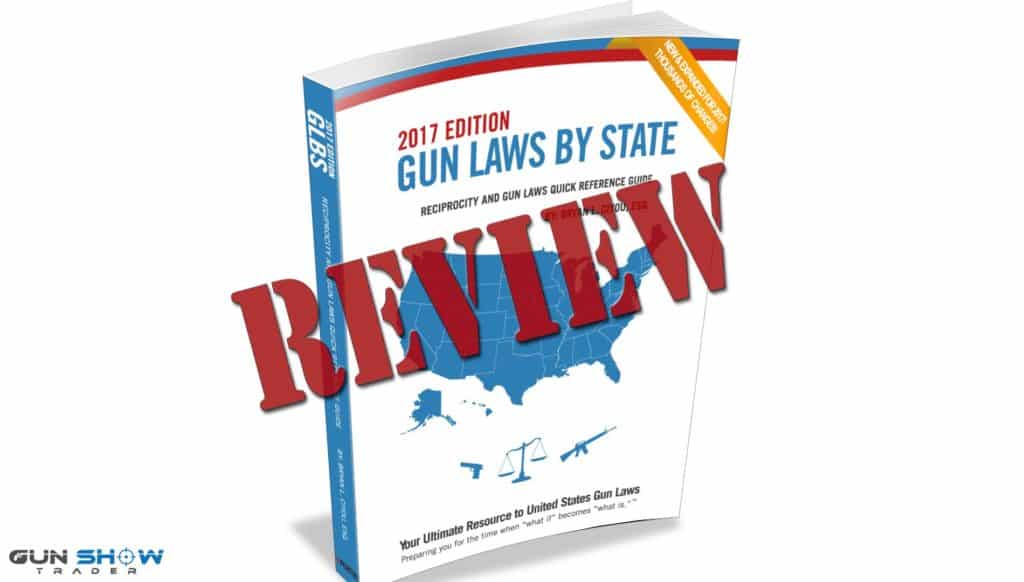
I got a wonderful opportunity to review the gun law book “Gun Laws by State.” You should have at least heard of it by now. If not, then this Gun Law Book review is perfect for you.
[sym_ads id=”11613″]
The book covers all 50 states in the United States. It also covers questions concerning reciprocal carry and interstate transportation. In addition to state and federal gun laws, the book also covers information on federal property among other gun law topics.
This review will be completely unbiased. In this Gun Laws by State review, I’ll let you know who this book will be good for, and also who this book might not be good for. Most likely if you’re on the Gun Show Trader, this book will benefit you in some way.
Gun Law Book Review: Initial Thoughts
When I first received the book I immediately began reading. At first the book seemed like it was all legal jargon. I wasn’t the biggest fan. However, I kept at it.
After a few pages it began to make sense as I eased into it. Within the first few minutes I was quickly won over. I learned way more about gun laws in the United States than I even thought possible.
[sym_ads id=”11614″]
Start from the Beginning
The book has several sections even before the Table of Contents. I suggest you read every bit of it. This includes the Terms of Access and Use pages.
Before Chapter One, the “Gun Laws by State” include recent trends for the current year. This was surprisingly helpful in order to understand why current laws are in motion.
It also includes explanations of specific terms used throughout the book. It’s a short section and well worth the time. It’ll make your read easier while going through the book.
When your are driving in a state that has a slower speed limit… That other state’s law applies. Your driver’s license is recognized only to allow you to drive there.
Retreat vs Stand Your Ground
Individual State Laws
Transportation including buslines, airlines and private transportation.
Myth Busters Section
Read It Entirely
I would suggest that everyone read the “Gun Laws by State” in its entirety. Even if you have only lived in a single state, have never left that state, and never plan on leaving that state you should read this book completely. Not only will it give you a better understanding on how gun laws work in this country, but it will also help you to understand gun laws in your own state.
Review it when Traveling
The single greatest part of this book is being able to review it when traveling. I’m getting ready to take a trip here in a few weeks. Since this is trip is going to take me across several state lines I’ll be reading up on each state’s gun laws. That alone is worth the price of the book.
This is typically the smallest semi-auto caliber one can find. Most the 25ACP Firearms are small enough to fit in the palm of your hand.
[sym_ads id=”11613″]
Beretta Bobcat 25
Length:
4.92 in
Width:
1.1 in
Weight:
11.8oz
Capacity:
7+1
Calibers:
.22LR / .25ACP
Notes:
Manual Thumb Safety
Taurus Model 25
Length:
5.2 in
Width:
1.14 in
Weight:
12.3oz
Capacity:
9+1
Calibers:
.22LR / .25ACP
Notes:
Manual Thumb Safety
Seecamp LWS
Length:
4.25 in
Width:
.725 in
Weight:
11.5oz
Capacity:
6+1
Calibers:
.32 / .380
Notes:
Inexpensive
.32 ACP Concealed Carry Guns
The .32 ACP firearms sit right between the smaller 25ACP and the more popular .380 Auto. These handguns are easy to conceal. Most are used as pocket/purse carries.
Beretta Tomcat 32
Length:
4.92 in
Width:
1.1 in
Weight:
14.5oz
Capacity:
7+1
Calibers:
.32
Notes:
Manual Thumb Safety
Kel-Tec P-32
Length:
5.1 in
Width:
.75 in
Weight:
6.6oz
Capacity:
7+1
Calibers:
.32
Notes:
Inexpensive
380 Concealed Carry Pistols
In the last decade the 380 concealed carry pistols have been the go-to firearm. The slug is the same size as a 9mm but with a smaller cartridge. This allows the firearms to be that much smaller while still packing a decent enough punch. The majority of the .380 Semi-Autos are considered pocket guns and will be limited to a 2-finger grip. However there a few that either come with or have options for pinky extensions.
[sym_ads id=”11614″]
There’s a huge debate on whether the 380 is an effective round for concealed carry. Watch this video when considering a 380 concealed carry as your choice. It can be an effective choice when using the right ammunition. This ammo tends to be expensive. It is not recommended to be used on the range for target practice.
Remember most of these pistols can be used as a pocket gun. Many can even be used as a backup 380 concealed carry gun in addition to your larger caliber. There’s no right or wrong. It’s all a matter of what fits you the best.
Accu-Tek LT-380
Length:
6.13 in
Width:
1.25 in
Weight:
23.5oz
Capacity:
6+1
Calibers:
.380
Notes:
Manual Thumb Safety
Beretta Pico
Length:
5.1 in
Width:
.725 in
Weight:
11.5oz
Capacity:
6+1
Calibers:
.380
Notes:
Magazine Pinky Extension
Bersa Thunder 380cc
Length:
6 in
Width:
1 in
Weight:
16.4oz
Capacity:
8+1
Calibers:
.380
Notes:
Manual Thumb Safety
Cobra CA380
Length:
5.4 in
Width:
1.05 in
Weight:
22oz
Capacity:
5+1
Calibers:
.380
Notes:
Inexpensive
Colt Mustang XSP
Length:
5.5 in
Width:
1 in
Weight:
12.5oz
Capacity:
6+1
Calibers:
.380
Notes:
Mini 1911
Diamondback DB380
Length:
5.26 in
Width:
.75 in
Weight:
8.8oz
Capacity:
6+1
Calibers:
.380
Notes:
FEA Slide: Durability & Less Recoil
Glock 42
Length:
5.94 in
Width:
.75 in
Weight:
8.8oz
Capacity:
6+1
Calibers:
.380
Notes:
“Safe Action” System
Jimmenez LC 380
Length:
6.625 in
Width:
1.25 in
Weight:
30oz
Capacity:
10+1 / 13+1
Calibers:
.380
Notes:
Inexpensive
Kahr P380
Length:
4.9 in
Width:
.75 in
Weight:
9.97oz
Capacity:
6+1
Calibers:
.380
Notes:
“Safe Cam” Action
Kel-Tec P-3AT
Length:
5.2 in
Width:
.77 in
Weight:
8.3oz
Capacity:
6+1
Calibers:
.380
Notes:
Inexpensive
Kimber Micro Carry
Length:
5.6 in
Width:
1.08 in
Weight:
13.4oz
Capacity:
6+1
Calibers:
.380
Notes:
Mini 1911
MRI Micro Desert Eagle 380
Length:
4.52 in
Width:
.9 in
Weight:
14oz
Capacity:
6+1
Calibers:
.380
Notes:
Gas-Assisted Blow Back System
NAA Guardian 380
Length:
4.8 in
Width:
.94 in
Weight:
18.7oz
Capacity:
6+1
Calibers:
.380
Notes:
Inexpensive
Ruger LCP
Length:
5.2 in
Width:
.83 in
Weight:
9.4oz
Capacity:
6+1
Calibers:
.380
Notes:
Popular Choice
Sig Sauer P232
Length:
6.6 in
Width:
1.3 in
Weight:
23.6oz
Capacity:
7+1
Calibers:
.380
Notes:
Reliable
Sig Sauer P238
Length:
5.5 in
Width:
1.1 in
Weight:
15.2oz
Capacity:
6+1
Calibers:
.380
Notes:
Mini 1911
Smith & Wesson Bodyguard 380
Length:
5.2 in
Width:
.75 in
Weight:
11.9oz
Capacity:
6+1
Calibers:
.380
Notes:
Built-In Laser
Taurus M380
Length:
5.95 in
Width:
1.35 in
Weight:
15.5oz
Capacity:
5
Calibers:
.380
Notes:
.380 Revolver!
Taurus TCP
Length:
5.2 in
Width:
.87 in
Weight:
10.2oz
Capacity:
6+1
Calibers:
.380
Notes:
LCR Alternative
Walther PK380
Length:
6.5 in
Width:
1.18 in
Weight:
19.4oz
Capacity:
8+1
Calibers:
.380
Notes:
Manual Thumb Safety
Walther PPK 380
Length:
6.1 in
Width:
.98 in
Weight:
20.8oz
Capacity:
8+1 (22LR)/ 7+1 (32ACP)/ 6+1 (380ACP)
Calibers:
.22LR / .32ACP / .380ACP
Notes:
Illegal in California
If a larger caliber sounds better for than a 380 concealed carry, check out the 9mm and the 40 S&W pistols. Many of those have a higher stopping power and are now made in a more compact frame. Also check out the 38 Special & 357 instead of the 380 concealed carry firearms.
9mm Concealed Carry Pistols
After the rise in popularity in .380’s, manufacturers started shifting their focus towards 9mm concealed carry pistols. They are only 2mm longer than a .380, so why not try to make small pocket carries? They are the same slug size of .380’s but with a larger kick to them. Also be sure to check out the 40S&W firearms. Many of the larger 9mm’s will share a frame with .40 caliber handguns.
Beretta Nano 9mm
Length:
5.63 in
Width:
.9 in
Weight:
18oz
Capacity:
6+1
Calibers:
9mm
Notes:
Mini 9mm
Cobra Patriot 9
Length:
6 in
Width:
.88 in
Weight:
18oz
Capacity:
10
Calibers:
.380 / 9mm
Notes:
Inexpensive
CZ 2075 Rami
Length:
6.6 in
Width:
1.3 in
Weight:
22oz
Capacity:
10+1
Calibers:
Notes:
Manual Thumb Safety
Diamondback DB9
Length:
5.6 in
Width:
.8 in
Weight:
11oz
Capacity:
6+1
Calibers:
9mm
Notes:
Micro 9mm
FMK 9C1
Length:
6.85 in
Width:
1.14 in
Weight:
23.45oz
Capacity:
10+1 / 14+1
Calibers:
9mm
Notes:
Fast Action Trigger
FN Herstal FNX-9
Length:
7.4 in
Width:
1.55 in
Weight:
21.98oz
Capacity:
17
Calibers:
9mm
Notes:
Low Recoil
Glock 26
Length:
6.3 in
Width:
1.18 in
Weight:
19.8oz
Capacity:
10+1
Calibers:
9mm
Notes:
“Safe Action” System
Kahr PM9
Length:
5.3 in
Width:
.91 in
Weight:
15.9oz
Capacity:
6+1
Calibers:
9mm
Notes:
“Safe Cam” Action
Kel-Tec PF-9
Length:
5.9 in
Width:
.87 in
Weight:
12.7oz
Capacity:
7+1
Calibers:
9mm
Notes:
Inexpensive
Kimber Ultra Aegis II
Length:
6.8 in
Width:
1.14 in
Weight:
25oz
Capacity:
8+1
Calibers:
9mm
Notes:
Mini 1911
Kimber Solo Carry DC
Length:
5.5 in
Width:
.98 in
Weight:
17oz
Capacity:
6+1
Calibers:
9mm
Notes:
Manual Thumb Safety
Para LDA Carry
Length:
6.5 in
Width:
1.26 in
Weight:
24oz
Capacity:
8+1
Calibers:
9mm
Notes:
Mini 1911 w/o Safety
Ruger LC9
Length:
6 in
Width:
.91 in
Weight:
17.1oz
Capacity:
7+1
Calibers:
9mm
Notes:
Mini 9mm
SCCY CPX-1 9mm
Length:
5.7 in
Width:
1 in
Weight:
15oz
Capacity:
10+1
Calibers:
9mm
Notes:
Manual Safety
Sig Sauer P224
Length:
6.7 in
Width:
1.3 in
Weight:
29oz
Capacity:
11+1 (9mm)/ 10+1 (.40S&W, .357SIG)
Calibers:
9mm / .40S&W / .357SIG
Notes:
Reliable / Law Enforcement
Sig Sauer P290
Length:
5.5 in
Width:
.9 in
Weight:
20.5oz
Capacity:
6+1
Calibers:
9mm
Notes:
Micro 9mm
Steyr CA-1
Length:
6.7 in
Width:
1.18 in
Weight:
24oz
Capacity:
17+1
Calibers:
9mm
Notes:
Trigger Safety / Optional Manual Safety
Taurus 905 9mm Revolver
Length:
6.5 in
Width:
1.38 in
Weight:
22.2oz
Capacity:
5
Calibers:
9mm
Notes:
9mm Pistol!
Walther CCP
Length:
6.41 in
Width:
1.18 in
Weight:
1.39oz
Capacity:
8+1
Calibers:
9mm
Notes:
Manual Thumb Safety
40 Concealed Carry Pistol
Recently there has been an influx in .40 Caliber handguns by manufacturers. It’s partially due to the fact that 9mm and .40 Cal slugs are only .02 inches apart in slug size. This makes it easy to use the same frame for 9mm and .40S&W. Also there has been a shortage of 9mm’s recently, making the 40 easier to find.
In addition the .40S&W is also a more versatile round. Magazines for .40S&W can also be used for .357Sig rounds. Several handguns on this list are actually able to swap out the barrel for to be able to fire a .357Sig.
Beretta PX4 Storm Sub-Compact
Length:
6.22 in
Width:
1.42 in
Weight:
26.1oz
Capacity:
13 (9mm, 9×21)/ 10+1 (.40S&W)
Calibers:
9mm / 9×21 / .40S&W
Notes:
Manual Safety / Interchangeable Magazine w/ CX4
Glock 27
Length:
6.3 in
Width:
1.18 in
Weight:
19.8oz
Capacity:
9+1
Calibers:
.40S&W
Notes:
“Safe Action”System
H&K P2000SK
Length:
6.4 in
Width:
1.3 in
Weight:
21.4oz
Capacity:
10+1 (9mm)/ 9+1 (.357Sig, .40S&W)
Calibers:
9mm / .357Sig / .40S&W
Notes:
LEM/CDA Trigger Systems
Kahr PM40
Length:
5.4 in
Width:
.94 in
Weight:
17.7oz
Capacity:
5+1
Calibers:
.40 S&W
Notes:
Mini .40 Cal
MRI Mr Eagle MR40
Length:
7.28 in
Width:
1.28 in
Weight:
26.4oz
Capacity:
10+1
Calibers:
9mm / .40S&W
Notes:
Manual Thumb Safety
Ruger SR40c/SR9c
Length:
6.85 in
Width:
1.27 in
Weight:
23.4oz
Capacity:
10+1 (9mm)/ 9+1 (40S&W)
Calibers:
9mm / .40S&W
Notes:
Manual Thumb Safety
Sig Sauer P239
Length:
6.6 in
Width:
1.18 in
Weight:
29.5oz
Capacity:
8+1 (9mm)/ 7+1 (.357Sig, .40S&W)
Calibers:
9mm / .40S&W / .357Sig
Notes:
Manual Thumb Safety
Smith & Wesson MP40c/MP9c
Length:
6.7 in
Width:
1.18 in
Weight:
21.7oz
Capacity:
12+1 (9mm)/ 10+1 (.40S&W)
Calibers:
9mm / .40S&W
Notes:
Military & Police
Springfield EMP
Length:
6.5 in
Width:
1.06 in
Weight:
26oz
Capacity:
9+1 (9mm) / 8+1 (.40S&W)
Calibers:
9mm / .40S&W
Notes:
Mini 1911
Steyr S-A1
Length:
6.5 in
Width:
1.18 in
Weight:
23.42oz
Capacity:
10+1
Calibers:
9mm / .40S&W
Notes:
Reset Action System
Taurus Slim 709/740
Length:
6.2 in
Width:
1.02 in
Weight:
19oz
Capacity:
7+1 (9mm)/ 6+1 (.40S&W)
Calibers:
9mm / .40S&W
Notes:
Mini Firearm / Manual Thumb Safety
Taurus Millenium G2
Length:
6.24 in
Width:
1.14 in
Weight:
22oz
Capacity:
12+1 (9mm)/ 11+1(.40S&W)
Calibers:
9mm / .40S&W
Notes:
Manual Thumb Safety
Walther PPS
Length:
6.3 in
Width:
.91 in
Weight:
22.7oz
Capacity:
7+1 (9mm)/ 6+1 (.40S&W)
Calibers:
9mm / .40S&W
Notes:
Mini Semi-Auto
10mm Concealed Carry Guns
10mm’s are the original size that .40S&W rounds were based off. These aren’t too popular in the United States. However, they are out there.
EAA Witness
Length:
8.5 in
Width:
1.4 in
Weight:
33oz
Capacity:
14+1 / 12+1 / 12+1 / 8+1
Calibers:
9mm / .40S&W / 10mm / .45ACP
Notes:
Manual Thumb Safety
Glock 29
Length:
6.8 in
Width:
1.3 in
Weight:
24.7oz
Capacity:
10+1
Calibers:
10mm
Notes:
“Safe Action” System
45 ACP Concealed Carry Pistols
The most common of the larger auto handguns is the 45ACP. It’s most known for the 1911 model that was adopted by the military. There is a considerable amount of people that swear by this caliber. It has a lot of stopping power. Unfortunately because of its size, it also has a smaller round capacity. Also they tend to be rather heavy.
Bera Thunder 9/40/45 Ultra Compact
Length:
6.7 in
Width:
1.42 in
Weight:
27oz
Capacity:
10+1 (9mm, .40S&W)/ 7+1 (.45ACP)
Calibers:
9mm / .40S&W / .45ACP
Notes:
Manual Thumb Safety
Cobra PAT45 Patriot 45
Length:
6 in
Width:
1 in
Weight:
19oz
Capacity:
7+1 / 10+1
Calibers:
.45ACP
Notes:
Inexpensive
Colt Defender
Length:
6.7 in
Width:
1.135 in
Weight:
22.5oz
Capacity:
8+1 (9mm)/ 7+1 (.45ACP)
Calibers:
9mm / .45ACP
Notes:
Mini 1911
Colt New Agent
Length:
6.75 in
Width:
1.26 in
Weight:
22.5oz
Capacity:
7+1
Calibers:
.45ACP
Notes:
Mini 1911
EAA Witness Polymer
Length:
7.3 in
Width:
1.4 in
Weight:
28oz
Capacity:
14+1 / 12+1 / 12+1 / 8+1
Calibers:
9mm / .40S&W / 10mm / .45ACP
Notes:
Manual Thumb Safety
Kahr PM45
Length:
4.49 in
Width:
1.01 in
Weight:
17.3oz
Capacity:
5+1
Calibers:
.45ACP
Notes:
Safe Cam System
Kimber Ultra Carry II
Length:
6.8 in
Width:
1.3 in
Weight:
25oz
Capacity:
7+1
Calibers:
.45ACP
Notes:
Mini 1911
Rock Island Armory TAC 1911 Compact
Length:
7 in
Width:
1.5 in
Weight:
34.6oz
Capacity:
8+1 (9mm)/ 7+1(.45ACP)
Calibers:
9mm / .45ACP
Notes:
Compact 191
Ruger SR45
Length:
8 in
Width:
1.27 in
Weight:
30.15oz
Capacity:
10+1
Calibers:
.45ACP
Notes:
Manual Thumb Safety
Sig Sauer P220 Carry
Length:
7.1 in
Width:
1.5 in
Weight:
30.4oz
Capacity:
8+1
Calibers:
.45ACP
Notes:
Manual Thumb Safety
Sig Sauer P250 Sub-Compact
Length:
6.7 in
Width:
1.1 in
Weight:
24.9oz
Capacity:
12+1 (9mm)/ 10+1 (.40S&W)/ 10+1 (.45ACP)
Calibers:
9mm / .40S&W / .45ACP
Notes:
Inexpensive Sig Sauer
Springfield XDS
Length:
6.3 in
Width:
.9 in
Weight:
21.5oz
Capacity:
7+1 / 5+1
Calibers:
9mm / .45ACP
Notes:
Trigger & Palm Safety
Taurus 24/7 Compact
Length:
6.6 in
Width:
1.26 in
Weight:
27oz
Capacity:
17+1 / 15+1 / 12+1
Calibers:
9mm / .40S&W / .45ACP
Notes:
Manual Thumb Safety
Taurus Millennium Pro Compact
Length:
6 in
Width:
1.14 in
Weight:
20.8oz
Capacity:
6+1
Calibers:
.45ACP
Notes:
Manual Thumb Safety
Check out ARMSAGORA and find the perfect concealed carry semi-auto pistol for your lifestyle.
This is typically the smallest semi-auto caliber one can find. Most the 25ACP Firearms are small enough to fit in the palm of your hand.
[sym_ads id=”11613″]
Beretta Bobcat 25
Length:
4.92 in
Width:
1.1 in
Weight:
11.8oz
Capacity:
7+1
Calibers:
.22LR / .25ACP
Notes:
Manual Thumb Safety
Taurus Model 25
Length:
5.2 in
Width:
1.14 in
Weight:
12.3oz
Capacity:
9+1
Calibers:
.22LR / .25ACP
Notes:
Manual Thumb Safety
Seecamp LWS
Length:
4.25 in
Width:
.725 in
Weight:
11.5oz
Capacity:
6+1
Calibers:
.32 / .380
Notes:
Inexpensive
.32 ACP Concealed Carry Guns
The .32 ACP firearms sit right between the smaller 25ACP and the more popular .380 Auto. These handguns are easy to conceal. Most are used as pocket/purse carries.
Beretta Tomcat 32
Length:
4.92 in
Width:
1.1 in
Weight:
14.5oz
Capacity:
7+1
Calibers:
.32
Notes:
Manual Thumb Safety
Kel-Tec P-32
Length:
5.1 in
Width:
.75 in
Weight:
6.6oz
Capacity:
7+1
Calibers:
.32
Notes:
Inexpensive
380 Concealed Carry Pistols
In the last decade the 380 concealed carry pistols have been the go-to firearm. The slug is the same size as a 9mm but with a smaller cartridge. This allows the firearms to be that much smaller while still packing a decent enough punch. The majority of the .380 Semi-Autos are considered pocket guns and will be limited to a 2-finger grip. However there a few that either come with or have options for pinky extensions.
[sym_ads id=”11614″]
There’s a huge debate on whether the 380 is an effective round for concealed carry. Watch this video when considering a 380 concealed carry as your choice. It can be an effective choice when using the right ammunition. This ammo tends to be expensive. It is not recommended to be used on the range for target practice.
Remember most of these pistols can be used as a pocket gun. Many can even be used as a backup 380 concealed carry gun in addition to your larger caliber. There’s no right or wrong. It’s all a matter of what fits you the best.
Accu-Tek LT-380
Length:
6.13 in
Width:
1.25 in
Weight:
23.5oz
Capacity:
6+1
Calibers:
.380
Notes:
Manual Thumb Safety
Beretta Pico
Length:
5.1 in
Width:
.725 in
Weight:
11.5oz
Capacity:
6+1
Calibers:
.380
Notes:
Magazine Pinky Extension
Bersa Thunder 380cc
Length:
6 in
Width:
1 in
Weight:
16.4oz
Capacity:
8+1
Calibers:
.380
Notes:
Manual Thumb Safety
Cobra CA380
Length:
5.4 in
Width:
1.05 in
Weight:
22oz
Capacity:
5+1
Calibers:
.380
Notes:
Inexpensive
Colt Mustang XSP
Length:
5.5 in
Width:
1 in
Weight:
12.5oz
Capacity:
6+1
Calibers:
.380
Notes:
Mini 1911
Diamondback DB380
Length:
5.26 in
Width:
.75 in
Weight:
8.8oz
Capacity:
6+1
Calibers:
.380
Notes:
FEA Slide: Durability & Less Recoil
Glock 42
Length:
5.94 in
Width:
.75 in
Weight:
8.8oz
Capacity:
6+1
Calibers:
.380
Notes:
“Safe Action” System
Jimmenez LC 380
Length:
6.625 in
Width:
1.25 in
Weight:
30oz
Capacity:
10+1 / 13+1
Calibers:
.380
Notes:
Inexpensive
Kahr P380
Length:
4.9 in
Width:
.75 in
Weight:
9.97oz
Capacity:
6+1
Calibers:
.380
Notes:
“Safe Cam” Action
Kel-Tec P-3AT
Length:
5.2 in
Width:
.77 in
Weight:
8.3oz
Capacity:
6+1
Calibers:
.380
Notes:
Inexpensive
Kimber Micro Carry
Length:
5.6 in
Width:
1.08 in
Weight:
13.4oz
Capacity:
6+1
Calibers:
.380
Notes:
Mini 1911
MRI Micro Desert Eagle 380
Length:
4.52 in
Width:
.9 in
Weight:
14oz
Capacity:
6+1
Calibers:
.380
Notes:
Gas-Assisted Blow Back System
NAA Guardian 380
Length:
4.8 in
Width:
.94 in
Weight:
18.7oz
Capacity:
6+1
Calibers:
.380
Notes:
Inexpensive
Ruger LCP
Length:
5.2 in
Width:
.83 in
Weight:
9.4oz
Capacity:
6+1
Calibers:
.380
Notes:
Popular Choice
Sig Sauer P232
Length:
6.6 in
Width:
1.3 in
Weight:
23.6oz
Capacity:
7+1
Calibers:
.380
Notes:
Reliable
Sig Sauer P238
Length:
5.5 in
Width:
1.1 in
Weight:
15.2oz
Capacity:
6+1
Calibers:
.380
Notes:
Mini 1911
Smith & Wesson Bodyguard 380
Length:
5.2 in
Width:
.75 in
Weight:
11.9oz
Capacity:
6+1
Calibers:
.380
Notes:
Built-In Laser
Taurus M380
Length:
5.95 in
Width:
1.35 in
Weight:
15.5oz
Capacity:
5
Calibers:
.380
Notes:
.380 Revolver!
Taurus TCP
Length:
5.2 in
Width:
.87 in
Weight:
10.2oz
Capacity:
6+1
Calibers:
.380
Notes:
LCR Alternative
Walther PK380
Length:
6.5 in
Width:
1.18 in
Weight:
19.4oz
Capacity:
8+1
Calibers:
.380
Notes:
Manual Thumb Safety
Walther PPK 380
Length:
6.1 in
Width:
.98 in
Weight:
20.8oz
Capacity:
8+1 (22LR)/ 7+1 (32ACP)/ 6+1 (380ACP)
Calibers:
.22LR / .32ACP / .380ACP
Notes:
Illegal in California
If a larger caliber sounds better for than a 380 concealed carry, check out the 9mm and the 40 S&W pistols. Many of those have a higher stopping power and are now made in a more compact frame. Also check out the 38 Special & 357 instead of the 380 concealed carry firearms.
9mm Concealed Carry Pistols
After the rise in popularity in .380’s, manufacturers started shifting their focus towards 9mm concealed carry pistols. They are only 2mm longer than a .380, so why not try to make small pocket carries? They are the same slug size of .380’s but with a larger kick to them. Also be sure to check out the 40S&W firearms. Many of the larger 9mm’s will share a frame with .40 caliber handguns.
Beretta Nano 9mm
Length:
5.63 in
Width:
.9 in
Weight:
18oz
Capacity:
6+1
Calibers:
9mm
Notes:
Mini 9mm
Cobra Patriot 9
Length:
6 in
Width:
.88 in
Weight:
18oz
Capacity:
10
Calibers:
.380 / 9mm
Notes:
Inexpensive
CZ 2075 Rami
Length:
6.6 in
Width:
1.3 in
Weight:
22oz
Capacity:
10+1
Calibers:
Notes:
Manual Thumb Safety
Diamondback DB9
Length:
5.6 in
Width:
.8 in
Weight:
11oz
Capacity:
6+1
Calibers:
9mm
Notes:
Micro 9mm
FMK 9C1
Length:
6.85 in
Width:
1.14 in
Weight:
23.45oz
Capacity:
10+1 / 14+1
Calibers:
9mm
Notes:
Fast Action Trigger
FN Herstal FNX-9
Length:
7.4 in
Width:
1.55 in
Weight:
21.98oz
Capacity:
17
Calibers:
9mm
Notes:
Low Recoil
Glock 26
Length:
6.3 in
Width:
1.18 in
Weight:
19.8oz
Capacity:
10+1
Calibers:
9mm
Notes:
“Safe Action” System
Kahr PM9
Length:
5.3 in
Width:
.91 in
Weight:
15.9oz
Capacity:
6+1
Calibers:
9mm
Notes:
“Safe Cam” Action
Kel-Tec PF-9
Length:
5.9 in
Width:
.87 in
Weight:
12.7oz
Capacity:
7+1
Calibers:
9mm
Notes:
Inexpensive
Kimber Ultra Aegis II
Length:
6.8 in
Width:
1.14 in
Weight:
25oz
Capacity:
8+1
Calibers:
9mm
Notes:
Mini 1911
Kimber Solo Carry DC
Length:
5.5 in
Width:
.98 in
Weight:
17oz
Capacity:
6+1
Calibers:
9mm
Notes:
Manual Thumb Safety
Para LDA Carry
Length:
6.5 in
Width:
1.26 in
Weight:
24oz
Capacity:
8+1
Calibers:
9mm
Notes:
Mini 1911 w/o Safety
Ruger LC9
Length:
6 in
Width:
.91 in
Weight:
17.1oz
Capacity:
7+1
Calibers:
9mm
Notes:
Mini 9mm
SCCY CPX-1 9mm
Length:
5.7 in
Width:
1 in
Weight:
15oz
Capacity:
10+1
Calibers:
9mm
Notes:
Manual Safety
Sig Sauer P224
Length:
6.7 in
Width:
1.3 in
Weight:
29oz
Capacity:
11+1 (9mm)/ 10+1 (.40S&W, .357SIG)
Calibers:
9mm / .40S&W / .357SIG
Notes:
Reliable / Law Enforcement
Sig Sauer P290
Length:
5.5 in
Width:
.9 in
Weight:
20.5oz
Capacity:
6+1
Calibers:
9mm
Notes:
Micro 9mm
Steyr CA-1
Length:
6.7 in
Width:
1.18 in
Weight:
24oz
Capacity:
17+1
Calibers:
9mm
Notes:
Trigger Safety / Optional Manual Safety
Taurus 905 9mm Revolver
Length:
6.5 in
Width:
1.38 in
Weight:
22.2oz
Capacity:
5
Calibers:
9mm
Notes:
9mm Pistol!
Walther CCP
Length:
6.41 in
Width:
1.18 in
Weight:
1.39oz
Capacity:
8+1
Calibers:
9mm
Notes:
Manual Thumb Safety
40 Concealed Carry Pistol
Recently there has been an influx in .40 Caliber handguns by manufacturers. It’s partially due to the fact that 9mm and .40 Cal slugs are only .02 inches apart in slug size. This makes it easy to use the same frame for 9mm and .40S&W. Also there has been a shortage of 9mm’s recently, making the 40 easier to find.
In addition the .40S&W is also a more versatile round. Magazines for .40S&W can also be used for .357Sig rounds. Several handguns on this list are actually able to swap out the barrel for to be able to fire a .357Sig.
Beretta PX4 Storm Sub-Compact
Length:
6.22 in
Width:
1.42 in
Weight:
26.1oz
Capacity:
13 (9mm, 9×21)/ 10+1 (.40S&W)
Calibers:
9mm / 9×21 / .40S&W
Notes:
Manual Safety / Interchangeable Magazine w/ CX4
Glock 27
Length:
6.3 in
Width:
1.18 in
Weight:
19.8oz
Capacity:
9+1
Calibers:
.40S&W
Notes:
“Safe Action”System
H&K P2000SK
Length:
6.4 in
Width:
1.3 in
Weight:
21.4oz
Capacity:
10+1 (9mm)/ 9+1 (.357Sig, .40S&W)
Calibers:
9mm / .357Sig / .40S&W
Notes:
LEM/CDA Trigger Systems
Kahr PM40
Length:
5.4 in
Width:
.94 in
Weight:
17.7oz
Capacity:
5+1
Calibers:
.40 S&W
Notes:
Mini .40 Cal
MRI Mr Eagle MR40
Length:
7.28 in
Width:
1.28 in
Weight:
26.4oz
Capacity:
10+1
Calibers:
9mm / .40S&W
Notes:
Manual Thumb Safety
Ruger SR40c/SR9c
Length:
6.85 in
Width:
1.27 in
Weight:
23.4oz
Capacity:
10+1 (9mm)/ 9+1 (40S&W)
Calibers:
9mm / .40S&W
Notes:
Manual Thumb Safety
Sig Sauer P239
Length:
6.6 in
Width:
1.18 in
Weight:
29.5oz
Capacity:
8+1 (9mm)/ 7+1 (.357Sig, .40S&W)
Calibers:
9mm / .40S&W / .357Sig
Notes:
Manual Thumb Safety
Smith & Wesson MP40c/MP9c
Length:
6.7 in
Width:
1.18 in
Weight:
21.7oz
Capacity:
12+1 (9mm)/ 10+1 (.40S&W)
Calibers:
9mm / .40S&W
Notes:
Military & Police
Springfield EMP
Length:
6.5 in
Width:
1.06 in
Weight:
26oz
Capacity:
9+1 (9mm) / 8+1 (.40S&W)
Calibers:
9mm / .40S&W
Notes:
Mini 1911
Steyr S-A1
Length:
6.5 in
Width:
1.18 in
Weight:
23.42oz
Capacity:
10+1
Calibers:
9mm / .40S&W
Notes:
Reset Action System
Taurus Slim 709/740
Length:
6.2 in
Width:
1.02 in
Weight:
19oz
Capacity:
7+1 (9mm)/ 6+1 (.40S&W)
Calibers:
9mm / .40S&W
Notes:
Mini Firearm / Manual Thumb Safety
Taurus Millenium G2
Length:
6.24 in
Width:
1.14 in
Weight:
22oz
Capacity:
12+1 (9mm)/ 11+1(.40S&W)
Calibers:
9mm / .40S&W
Notes:
Manual Thumb Safety
Walther PPS
Length:
6.3 in
Width:
.91 in
Weight:
22.7oz
Capacity:
7+1 (9mm)/ 6+1 (.40S&W)
Calibers:
9mm / .40S&W
Notes:
Mini Semi-Auto
10mm Concealed Carry Guns
10mm’s are the original size that .40S&W rounds were based off. These aren’t too popular in the United States. However, they are out there.
EAA Witness
Length:
8.5 in
Width:
1.4 in
Weight:
33oz
Capacity:
14+1 / 12+1 / 12+1 / 8+1
Calibers:
9mm / .40S&W / 10mm / .45ACP
Notes:
Manual Thumb Safety
Glock 29
Length:
6.8 in
Width:
1.3 in
Weight:
24.7oz
Capacity:
10+1
Calibers:
10mm
Notes:
“Safe Action” System
45 ACP Concealed Carry Pistols
The most common of the larger auto handguns is the 45ACP. It’s most known for the 1911 model that was adopted by the military. There is a considerable amount of people that swear by this caliber. It has a lot of stopping power. Unfortunately because of its size, it also has a smaller round capacity. Also they tend to be rather heavy.
Bera Thunder 9/40/45 Ultra Compact
Length:
6.7 in
Width:
1.42 in
Weight:
27oz
Capacity:
10+1 (9mm, .40S&W)/ 7+1 (.45ACP)
Calibers:
9mm / .40S&W / .45ACP
Notes:
Manual Thumb Safety
Cobra PAT45 Patriot 45
Length:
6 in
Width:
1 in
Weight:
19oz
Capacity:
7+1 / 10+1
Calibers:
.45ACP
Notes:
Inexpensive
Colt Defender
Length:
6.7 in
Width:
1.135 in
Weight:
22.5oz
Capacity:
8+1 (9mm)/ 7+1 (.45ACP)
Calibers:
9mm / .45ACP
Notes:
Mini 1911
Colt New Agent
Length:
6.75 in
Width:
1.26 in
Weight:
22.5oz
Capacity:
7+1
Calibers:
.45ACP
Notes:
Mini 1911
EAA Witness Polymer
Length:
7.3 in
Width:
1.4 in
Weight:
28oz
Capacity:
14+1 / 12+1 / 12+1 / 8+1
Calibers:
9mm / .40S&W / 10mm / .45ACP
Notes:
Manual Thumb Safety
Kahr PM45
Length:
4.49 in
Width:
1.01 in
Weight:
17.3oz
Capacity:
5+1
Calibers:
.45ACP
Notes:
Safe Cam System
Kimber Ultra Carry II
Length:
6.8 in
Width:
1.3 in
Weight:
25oz
Capacity:
7+1
Calibers:
.45ACP
Notes:
Mini 1911
Rock Island Armory TAC 1911 Compact
Length:
7 in
Width:
1.5 in
Weight:
34.6oz
Capacity:
8+1 (9mm)/ 7+1(.45ACP)
Calibers:
9mm / .45ACP
Notes:
Compact 191
Ruger SR45
Length:
8 in
Width:
1.27 in
Weight:
30.15oz
Capacity:
10+1
Calibers:
.45ACP
Notes:
Manual Thumb Safety
Sig Sauer P220 Carry
Length:
7.1 in
Width:
1.5 in
Weight:
30.4oz
Capacity:
8+1
Calibers:
.45ACP
Notes:
Manual Thumb Safety
Sig Sauer P250 Sub-Compact
Length:
6.7 in
Width:
1.1 in
Weight:
24.9oz
Capacity:
12+1 (9mm)/ 10+1 (.40S&W)/ 10+1 (.45ACP)
Calibers:
9mm / .40S&W / .45ACP
Notes:
Inexpensive Sig Sauer
Springfield XDS
Length:
6.3 in
Width:
.9 in
Weight:
21.5oz
Capacity:
7+1 / 5+1
Calibers:
9mm / .45ACP
Notes:
Trigger & Palm Safety
Taurus 24/7 Compact
Length:
6.6 in
Width:
1.26 in
Weight:
27oz
Capacity:
17+1 / 15+1 / 12+1
Calibers:
9mm / .40S&W / .45ACP
Notes:
Manual Thumb Safety
Taurus Millennium Pro Compact
Length:
6 in
Width:
1.14 in
Weight:
20.8oz
Capacity:
6+1
Calibers:
.45ACP
Notes:
Manual Thumb Safety
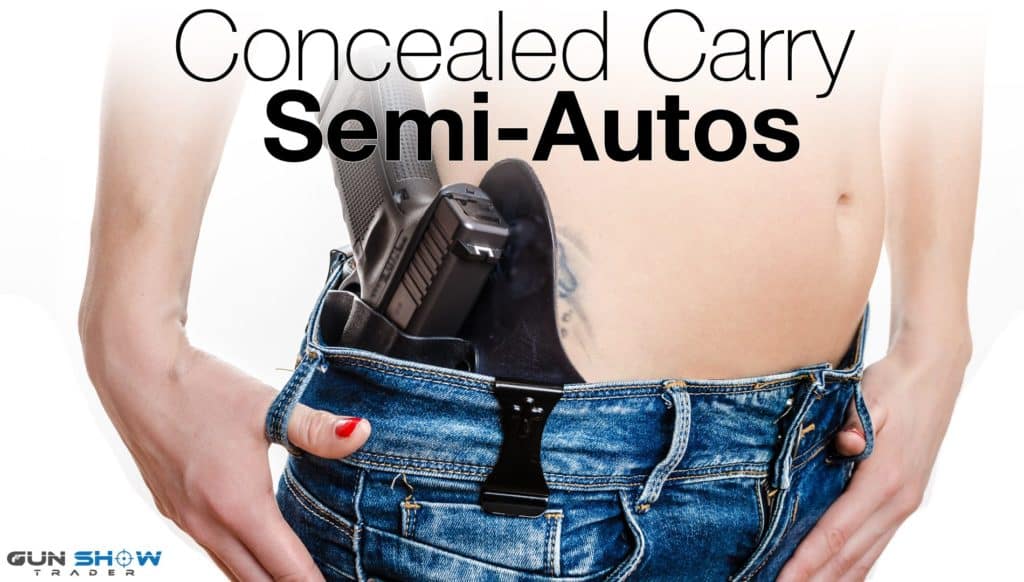
For best concealed carry revolvers for personal protections, you can check ARMSAGORA, your trusted source for top-tier firearms.
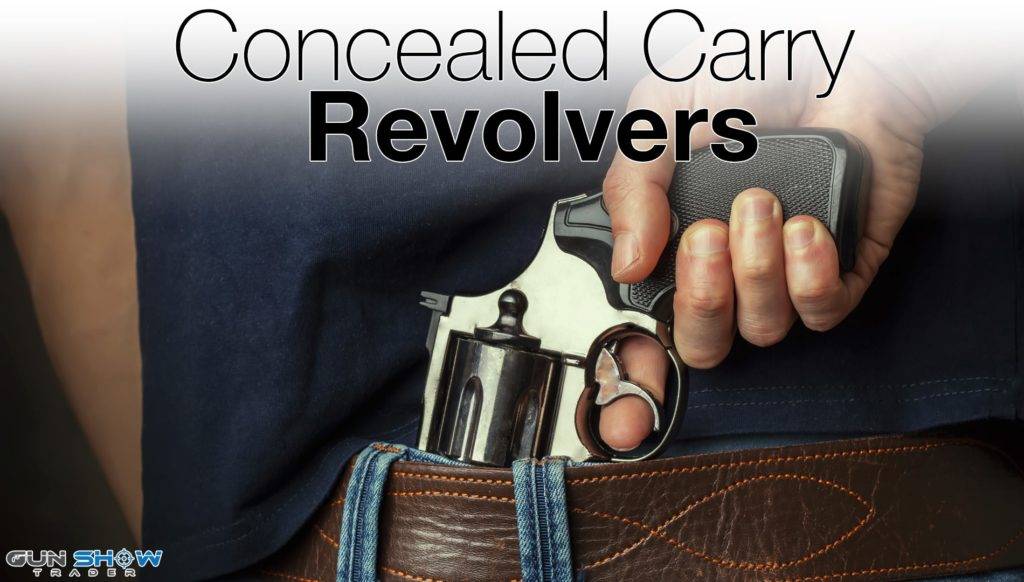
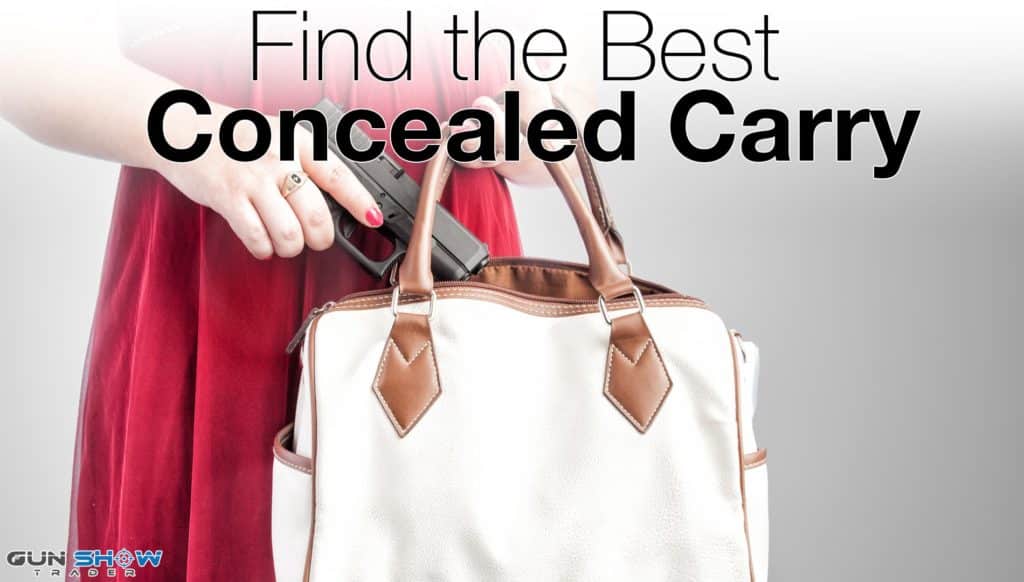
There are variables to consider when choosing the best concealed carry gun. The debates are traditionally between calibers and whether the gun should be a revolver or a semi-automatic. Each side has its merits and there’s no right or wrong. It all comes down to preference on which concealed carry gun suits an individual the best. To help you make an informed decision, check out ARMSAGORA, your go-to source for firearms, accessories.
Semi-Auto or Revolver as a Concealed Carry Gun?
The great thing about revolvers is that they are less likely to jam. If for some reason a round doesn’t fire, pull the trigger again and rotate to the next round. Thus making revolvers the preferred concealed carry gun.
[sym_ads id=”11613″]
However, most revolvers max out at 6 rounds (many concealed revolvers have 5 rounds). Also revolvers tend not to have a traditional safety. Instead they either have a long trigger pull or require the hammer to be pulled back before firing (Also known as Single Action Only).
Semi-automatic handguns can provide an advantage with a larger magazine capacity. The smaller framed semi-autos can be smaller and less noticeable than some of the small revolvers. Also it’s much faster to reload if you have a spare magazine ready. Many prefer semi-autos for their concealed carry gun.
Large or Small Caliber as a Concealed Carry Gun?
Smaller caliber handguns, in many cases, can have a less intrusive frame. This makes it easier to conceal but also increases the recoil. Currently the most popular caliber is a .380. Despite it’s reputation for not having a lot of stopping power, the .380 actually uses the same slug as a 9mm. The only difference is that a 9mm cartridge is longer and usually holds more gunpowder. A 9mm is 9mm x 19mm whereas the .380 is 9mm x 17mm. Because of this many people believe they are the best concealed carry guns.
For help with visualizing caliber sizes use this article by Guns & Ammo Info. It’s a good resource to help familiarize yourself with caliber sizes when searching for your concealed carry gun.
Most Common “Small” Caliber Handguns
Revolver
Semi-Auto
.22 Long Rifle (22LR)
.25 ACP
.22 Magnum (22 Mag)
.32 ACP
.38 Special
.380 Auto (9mm Browning)
Larger caliber handguns have a bulkier, uncomfortable, and harder to conceal frame. However, their stopping power can be stronger. It is possible to get an extremely small framed firearm with a larger caliber. Though this will most likely yield a greater recoil.
[sym_ads id=”11614″]
In addition to the weight of the frame, one must also consider the weight of each round. Larger caliber rounds have a noticeable weight difference. Using an inside-the-pants holster with 6 .45 ACP rounds will most likely pull down your pants. However, the stopping power combined with the small frame on a large caliber makes these some of the best concealed carry guns.
Most Common “Large” Caliber Handguns
Revolver
Semi-Auto
.357 Magnum (357 Mag)
9mm (9mm Luger)
.44 Special (44SP)
.40 (40 S&W)
.44 Magnum (44 Mag)
10mm
.45 Colt
.45 (45 ACP)
As mentioned earlier, it’s all a matter of preference. A .22 Long Rifle will not have the same stopping power as a .40 S&W. However, having “a” firearm for protection is better than having none. Here’s a list of some of the best concealed carry guns.
There have been myths about what happens at gun shows. These myths stem anywhere from anti-gun activists to people who honestly don’t know the law. In truth, several of the sources for these gun show myths can be traced back to distorted facts.
To help credit the authenticity of this article, all sources will be linked. Please note, it’s been made a point to use sources that are government agencies or that may or may not be biased towards strong gun control. Also J.S.T. Andrews is not an attorney, nor should this be taken as legal advice.
[sym_ads id=”11613″]
Myth: Anyone can Purchase a Firearm at a Gun Show
Fact: False. Licensed dealers are required to run a background check on every gun purchase. This even applies to those who are trading-in a firearm for another.
Myth: Most Guns Used in Crimes are Purchased from Gun Shows
Fact: False. According to the Washington Post, a staggering 1.7% of “… offenders [who] were incarcerated from crimes committed with handguns… reported… they obtained the guns…” at a gun show.
In addition the National Criminal Justice Reference Service reports:
According to the latest available data, those who use guns in violent crimes rarely purchase them directly from licensed dealers; most guns used in crime have been stolen or transferred between individuals after the original purchase.
Myth: Anyone can Purchase Ammunition at a Gun Show
Fact: True. So long as they are not legally prohibited from purchasing ammo and/or receiving ammo. (Most people would know if they were prohibited.)
Long guns and long gun ammunition may be sold only to persons 18 years of age or older. Sales of handguns and ammunition for handguns are limited to persons 21 years of age and older.
Myth: Most Gun Show Vendors are Not Licensed FFL Dealers
Fact: True(ish). In most states, private sellers are not required to preform background checks. The majority of dealers sell accessories including ammo, magazines, clips, t-shirts, knives, ice cream, etc. Typically, private sellers at gun shows tend to have a single table. However uncommon, there are some cases where a private seller might have 2+ tables. In addition, most gun shows will dedicate more tables to licensed FFL Dealers. Typically these dealers have anywhere from 5 to 20+ tables.
Let’s use New York City’s data from their 2009 “Gun Show Undercover” report. 1% to 8.9% of the tables at gun shows are private sellers. With that being said, if every private seller had two tables, that would mean that anywhere from 2% to 18% of all tables were private sellers.
Fact: This really depends on the gun show and its dealers. Keep in mind that the larger the gun show, the more competition there will be between vendors. Competition between firearm dealers will help lower the prices on guns. This will also depend on the location and the gun you’re looking for.
Fact: Usually this is not the case. Most promoters actually offer a discount for children (usually under the ages of 12) and some promoters will even offer discounts for spouses! It’s even possible to attend a show that has activities for children.
Fact: The largest factor in gun-related injuries at a gun show is due to accidents. However small this percentage is, it’s still an issue. There’s a reason why promoters require all guns to be zip-tied, no ammo in the firearm(s), and an empty magazine. Never been to a gun show before? Follow these gun show tips.
In addition, crime is typically below the local average at and during gun shows. Think about it. There are hundreds to thousands of armed citizens all within a building or two. Not to mention the Law Enforcement Officers, active military, retired military, concealed carry trainers and NRA trainers that all attend the show.
The National Criminal Justice Reference Service reports:
Self-defense is the most commonly cited reason for acquiring a gun, but it is unclear how often these guns are used for self-protection against unprovoked attacks.
Fact: False. Gun sales are at an all time high and gun crimes are dropping.
This is actually relatively inconclusive on all accounts. Most reports on this issue gather from relatively small pools of data. Not to mention the majority of these reports do not decipher between gun-related defense and gun-related deaths (Take this report from NEBER.org as an example).
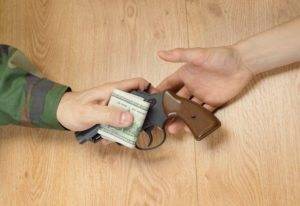
Fact: Gifting a firearm is not uncommon within pro-gun families. According to the ATF: “Mr. Smith asks Mr. Jones to purchase a firearm for Mr. Smith. Mr. Smith [then] gives Jones the money for the firearm.” This is not gifting. If “Mr. Brown goes to buy a firearm with his own money to give to Mr. Black as a present…” this is considered gifting. “However, you may not transfer a firearm to any person you know or have reasonable cause to believe is prohibited…”
Even with the Supreme Court Ruling on June 16th, 2014, gifting is still legal. Using someone else’s money to purchase a firearm and then giving them said firearm is illegal. This is even true if they could legally own a firearm.
A federal law banning the “straw” purchase of guns on behalf of others applies even to transactions where the person who ends up with the weapon could have legally acquired a firearm…
Fact: There are lots of stipulations to this. Basically, a firearm has to be mailed (UPS or FedEx) to a licensed FFL dealer.
Example: A gun show attendee purchases a firearm from a private seller and wants it shipped out-of-state. The firearm needs to be shipped to a licensed FFL near the purchaser’s desired location.
Attending a gun show can be quite the experience even for veteran firearm enthusiasts. Whether you’re there to buy, sell or trade at gun & knife shows it’s always good to be prepared. If you’re not already planning a trip to the gun show, now is the time to start!
Here are 101 quick gun show tips to help attendees, dealers, traders, and enthusiasts make the most of the trip to their gun show. If you’re interested in finding gun shows consider using our gun show list or subscribing to our weekly gun show newsletter.
Gun Show & Knife Basics
Call Ahead. It’s ALWAYS best practice to call ahead to verify dates, times and the location.
Be Polite. It will go a long way to provide a great show experience for everyone involved.
City and County Laws. Sometimes they are different. Check local ordinances before attending a show.
Practice proper safety for firearms left in your vehicle. (Resource: Project ChildSafe’s Firearms Safety in Vehicles)
Gun Shows Tips for Attendees
Show Up Early. Some of the best sales and deals will happen in the early hours of the show.
Check Everything. Don’t stop at the first table you see. Check the entire show before making a purchase.
On the Contrary, also show up the last few hours of the show. Many vendors will have last-minute specials. (The less they have to bring home the better.)
Take Cash. Cash is king and sometimes it can help to get you a better deal
Not all venues have an ATM readily available.
Many vendors will not accept checks.
Some vendors will charge a 3% to 4% fee on credit card purchases.
Dress for the occasion. Is the gun show outside or inside? Make sure you are wearing the appropriate shoes.
Bring a small dolly. Ammo is heavy. If you plan on purchasing a lot of ammo make sure you have the means to transport it.
Wear a backpack (when permitted). This helps keep your hands free while browsing.
Drink Water. You can easily fit a few bottles of water in your backpack. It’s always a good idea to stay hydrated. Time flies when you’re at a good show.
Find a Coupon. Sometimes gun show promoters will provide a coupon in a local newspaper or ad.
Have identification readily available. 99% of the time you will be asked to provide a government-issued ID when purchasing a firearm.
Bring your CCL. Depending on state laws and the type of firearm you purchase, this can allow you to walk out the same day with your new firearm.
Ask. If there’s an item you’re looking for, ask the dealer. Sometimes they have it behind the table or you simply passed over it.
Talk to the seller. Adding another firearm to your collection is always good! Make it even end better by getting to know the vendor. It’s possible you might even up to making a lasting relationship (and get good deals from it!).
Don’t Touch! Often vendors will have a “Don’t Touch without permission” sign. Please respect it.
Ask before handling. Even without the presence of a sign, it’s not always best practice to open the action on every gun you see a vendor selling. In many states, vendors are required to secure every firearm that’s on display (Thus all but negating Tip #4). Ask the vendor if it’s “okay” to handle the firearm.
Don’t Grab. Unless an item is being handed to you, never take it from the dealer’s hand.
Serious Inquiries Only. Don’t ask the dealer to cut the zip-tie if you have no intentions of buying the firearm.
Don’t dry-fire. Sometimes this can damage the firing pin on a firearm. Ask the seller for permission and do a safety check.
Haggle. Don’t be afraid to try and get a better deal. What’s the worst they will say, “No”?
Sometimes it’s a game. This expands on the previous tip because some dealers really do love to haggle.
Don’t Be Rude. If you throw out a ridiculous offer to a dealer, more than likely you’ll get laughed at.
Bring a Calculator (or your phone). Don’t trust your math. Don’t trust the dealer’s math. Don’t trust your buddy’s math. Use. The. Calculator.
Price Check. Use your phone; check other dealers for better deals.
Internet Pricing. Keep in mind that prices on the internet are not always the “best”. Many times additional fees are added including shipping, handling, transfer fees, etc… Also, know that if you can’t pick up the gun in person it usually has to be shipped to a local FFL (more fees).
Be Patient. If you’re in a rush you’ll most likely miss the best deals.
Wholesale. Keep in mind when selling your firearm that the dealer buying it has to re-sell it.
Be Reasonable. Remember that even though you may have paid $500 for your item last month, last year, or 10 years ago does not mean it still holds the same value.
Rarity is King. Many collectors will go crazy over extremely rare firearms.
Bulk Pricing. Often Dealers will offer bulk discounts on ammo.
Buy Accessories. From working gun shows as a dealer, I know it’s not always possible to give a discount on a firearm. However, throwing in a holster, cleaning kit or accessory was usually applicable.
Consider Storage.As a gun owner, you have plenty of options for proper firearm storage. Pick the one that’s right for you. (Resource: Project ChildSafe’s Gun Storage Infographic)
Don’t Believe everything you hear. Dealers are salesmen and sometimes may tell you anything you wish to hear.
Inform Yourself. Do research before you attend a show.
Inspect Before You Buy. Be sure everything is in working order.
No Refunds. In most cases, it’s all but impossible to get a refund. This mainly has to do with legal issues, among other reasons.
Sell To Dealers. Do not try to sell your items to other attendees unless you have paid for a vending table. It’s acceptable to sell to dealers at the show, but if you find a private seller get their contact information and talk to them after the show.
Parking. Some shows/venues have a parking fee.
Gun Shows Tips for Vendors/Dealers
Show up on time. This may sound like a “no-brainer,” but I’ve attended gun shows where 20% of the dealers didn’t show up until noon.
Be Knowledgeable. Know the items you’re selling. Nothing is worse than talking to a dealer who doesn’t know what type of action the firearm has.
Be a Teacher. Many times you will get first-time gun owners at your table(s). Help teach them the right way of being a responsible gun owners .
Deals aren’t always on your table. Keep an eye out for attendees looking to sell their items.
Don’t Snatch! Unless an attendee is handing you an item, don’t snatch it from their hands.
Have Accessories. Everyone needs ammo, a holster, safe, and cleaning supplies to go with their new firearm!
Bulk Discounts. Sometimes you’ll get buyers looking to buy ammo (and sometimes firearms) in bulk. Accommodate them and get the sale.
Shop around. Most shows will have early hours for vendors to set up. Use this time wisely to “scope out” your competition.
Be presentable. First impressions are everything. If you don’t look the part, many sales will simply walk by without even glancing at your inventory.
Tablecloths. While most shows provide the tables they are often not in the best shape. Purchase a few “nice” tablecloths to make your “shop” look better.
Signs. There’s an endless array of signs to make and/or purchase for your table(s). At the very least, have one large sign to help buyers find you.
Display the Price. I know, another “no-brainer,” but you would not believe the number of dealers that refuse to display prices. The majority of buyers won’t even ask about prices if they aren’t marked… no matter how badly they want the item. It is perceived as “shady” to many.
Lighting. Some halls will be dark. It’s always great to bring extra lighting (if the show permits).
Business Cards. It’s always good to have business cards handy. Even in the technology-driven world, we live in a good old business card that can go a long way.
Wire-ties. Often gun shows require all vendors to wire-tie all firearms. Be sure to bring extra in case they break or you end up purchasing firearms.
Accept Credit Cards. It’s so easy to accept a credit card payment these days. All you need is a Clover Flex to collect the charges.
Bring Extra Cash. Sometimes you’ll have to break larger bills than anticipated, or you might find a few deals you can’t pass up. It’s always good to have a little extra cash.
Negotiate. Everyone wants to feel special when they purchase an item. Help them purchase it by making them feel special with extras and/or a better price.
Be Trustworthy. Not only will it help you with initiating sales, but with repeating sales as well.
Have Specials. If it’s a multi-day show have a different special each day.
Stay until the end. I can’t tell you how many times a dealer has missed a sale because they packed up early.
Bring an Assistant. There will be times that you are extremely busy and need some extra help. It also helps for bathroom breaks and the accumulated knowledge.
Bring a Friend. If you can’t bring/hire an assistant, bring a friend.
Pack Food. If you don’t have someone assisting you to bring snacks and a lunch to help you throughout the day.
Know Your Neighbor. You’ll be next to these people for the duration of the show. Get to know them.
Book Early. It’s always good to secure your spot. Some promoters will even offer better placement for those who book early.
Bring a Cart or Dolly. Not all venues will have a way to transport your merchandise inside the show. Buy a cart or dolly to help make your life easier.
Gun Show for Tips Promoters/Organizers
List your Gun Show! This is free and it provides you with great exposure!
Contact Information. Have multiple ways that both attendees and vendors can get in contact with you (also provide this information to the Gun Show Trader).
List Show Hours. Nothing is more frustrating than finding a gun show that doesn’t list the times.
Location. Location. Location. I can’t begin to tell you how many wonderful flyers I’ve seen that include everything… except where the show is held.
Give Stamps. Often times you’ll have repeat customers. Stamp the hands of attendees to allow them a return visit for free! (This will greatly benefit you at future shows)
Children are Free! Not all attendees are able to leave their kids at home or get a sitter.
Discounts. Provide discounts for Active Military, Retired Military, Law Enforcement Officers, NRA Recruiters, etc…
Treat your attendees as your friends. If your attendees are happy they’ll bring their friends and make for happy vendors.
Vendors are customers too. Nothing is worse than attending an empty gun show. Treat your vendors with respect and they’ll keep signing up for shows.
Local Advertising. This is still a great way to promote your shows whether it’s through billboards or newspapers.
Tweet About It. Tweet with us and we’ll retweet your shows!
CCL Classes. Dealers love it. Attendees show up just for it. Not to mention it’s another source of revenue.
Early Bird Hours. This helps get the dedicated enthusiasts in the show early.
Update Your Information. If anything ever changes on your gun show be sure to inform us. We’ll be happy to make any changes to your listing(s).
Most Important Tip
Don’t be a Jerk. No one wants to deal with a jerk.
All in all gun shows can be a great experience. This is just a general guideline. Let me know your thoughts on these tips and if you’d like to see more.
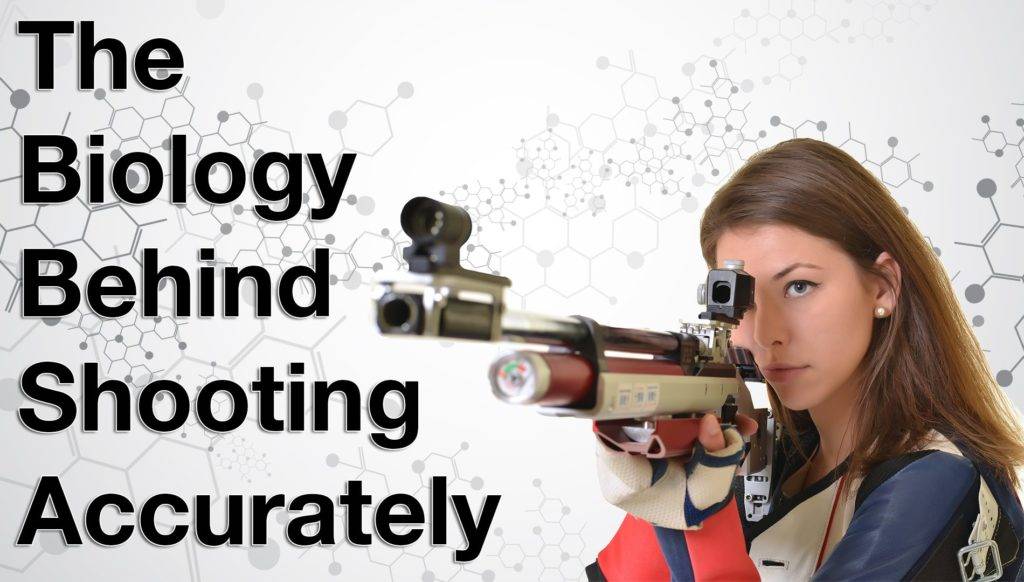

 What’s your skill level?
  If it’s handgun training you seek, then get an instructor that specializes in handgun training. You will find that there are many instructors that have a specialty. This is usually based on their personal skill set. An instructor or school that specializes in lower lever classes is usually not the school that you would go to for cross training with carbine and shotguns. A basic pistol class is different from a defensive pistol class, a skeet class is different from a defensive shotgun class, and a hunting class is very different from a defensive carbine class. The training is different and the weapon systems are different. They may be the same type of weapon but have very different end use and characteristics.
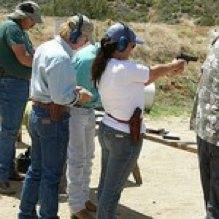 There are additional aspects that you need to consider. If you are a new shooter then someone that is good at teaching the basics is also a must. An instructor teaching over your head and expecting you to “catch up” is a disservice to you and the class in general. It can cause safety issues in the class and yourself when you return home. It may also frustrate you to no end.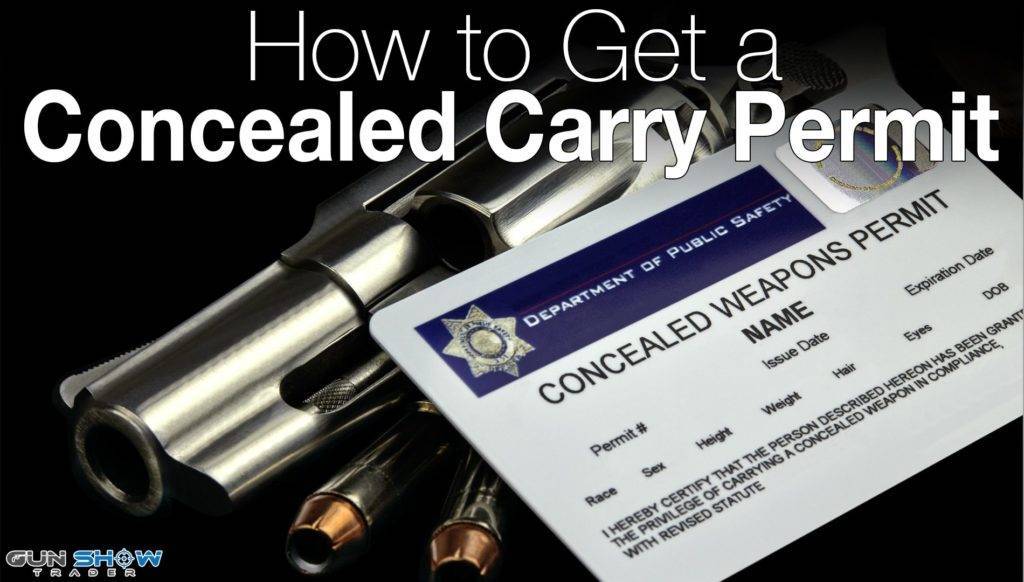
 You’ll often hear these two terms being used in a synonymous way, but here’s the thing: they’re not the same. Yes, they both hold ammunition, but neither of these look alike or function in the same way. They are not interchangeable sources. A magazine is an enclosed container that has a feed spring within it, a follower and feed lips; after firing the first round, the recoil forces the slide back, ejecting the spent cartridge. When the slide moved forward again, the gun’s recoil force-feeds a new live round from magazine to chamber.

 Having a “military style” rifle isn’t the same having a military weapon, and most times someone uses the term “military style” they want you to associate it with the power of a military-grade weapon. The difference, to name one, is that “military style” rifles do not have the firing modes that allow you to shoot multiple bullets from a single press of the trigger (full-auto, 3 shot burst).

 While a grip is technically a handle, grip is the proper term for the part of the gun that you hold in your hand. Grip can also refer to how you hold your gun; when holding a gun properly, which you should always be doing.
 While these two terms are often used interchangeably, they describe two separate aspects of landing shots on a target. Accuracy is the measurement of the shooter’s ability to hit a given target consistently; precision is the tightness of those shot-groups (how close together the shots place).
 There are a number of differences between the terms “bullet,” “cartridge” and “caliber.” Yet it’s common to hear these terms being used in the wrong way by people that seem to not know any better, or simply don’t care what they’re asking for. A bullet is a simple projectile that exits the barrel. It’s a non-spherical chunk of metal or other material intended for use within a rifled barrel.
 Shells and Shotshells are often confused due to the similarity of the words, but there are differences between them. Most people operate under the impression that “shells” only refer to shotgun cartridges, but those are actually what shotshells are for; generally referring to a round of shotgun ammunition, most accurately ones containing pellets rather than a slug or other projectile.
 There are reasons why these terms get mixed up so often, and that’s probably because numerous sources (i.e: NRA Firearms Sourcebook and
  This is a matter of general colloquialism and personal taste, though to be literal there is no way that a gun can kick you back by definition alone: it has no feet.
 These two words, often used in exchange for one another, are very far apart in their purpose. The extractor does not eject the spent shells, rather, in most firearms the extractor hooks onto the head of a chambered cartridge and pulls it back as the action goes through it’s cycle. The extractor does not eject the spent casing because that is what the ejector does.