Blog Category: General

  • 2026 Gun Laws by State Book Review: The Best “Firearm Laws by State” Travel Guide for 2026?

    2026 Gun Laws by State Book Review: The Best “Firearm Laws by State” Travel Guide for 2026?

    Traveling armed? You can’t afford to guess. One wrong assumption about firearm laws by state—reciprocity, permitless carry eligibility, vehicle carry/transport, school zones, courthouses, federal property, airport checkpoints, posted “no firearms” signs, or gear traps like magazine limits—can turn an ordinary trip into a confiscation, arrest, and a life-altering legal mess.

    That’s exactly why the book Gun Laws by State 2026: The Definitive Firearm Carry & Transport Guide exists: to give responsible gun owners a fast, traveler-first system to stay lawful across borders.


    Quick Verdict

    If you’re searching Firearm Laws by State because you travel (road trips, RV travel, training weekends, gun shows, competitions, hunting travel), this guide is one of the most practical resources you can keep on your phone.

    • Best for: Travelers who want speed + clarity and a repeatable Plan A/Plan B workflow.
    • Not for: Anyone expecting a single reciprocity map to answer real-world travel questions.

    About the Book

    Gun Laws by State 2026 guide is a traveler-first field guide built to help responsible gun owners stay lawful, stay safe, and avoid preventable mistakes—state by state—before your tires (or wings) hit the next border.

    The book covers:

    • All 50 U.S. states
    • Key U.S. territories
    • Canada & Mexico (with travel warnings and verification emphasis)

    It focuses on the real-world areas where travelers get jammed up:

    • Reciprocity and nonresident permit surprises
    • Vehicle carry/transport (loaded vs. unloaded, accessible vs. not)
    • Prohibited places (schools, courts, secured buildings, detention facilities)
    • Federal property traps
    • Airport checkpoints and sterile areas
    • Signs and private property enforcement
    • Gear restrictions like magazine limits

    Why This “Firearm Laws by State” Guide Is Different (and Better)

    Most “firearm laws by state” resources fail in one of two ways: they oversimplify (a map + a paragraph) or overwhelm you with legalese. This guide is built around a traveler-first workflow designed for speed and accuracy.

    1) Quick Cards (60-second clarity)

    Every jurisdiction starts with a scannable Quick Card so you can orient instantly:

    • Carry posture (friendly / mixed / strict)
    • Permitless carry status and eligibility notes
    • Reciprocity/recognition reality (does your permit count?)
    • Top traveler traps
    • Vehicle rule headline (the biggest gotcha)
    • Traffic stop basics (including duty-to-inform where applicable)

    2) Vehicle Rules Made Simple (the #1 traveler trap)

    This guide puts vehicle rules front-and-center:

    • Loaded vs. unloaded (state definitions vary)
    • Storage options and safe placement
    • What “accessible” means in plain English
    • Conservative defaults when you’re unsure

    3) No-Go Zones + Signage Realities

    The book clearly flags the high-risk locations and scenarios that create real-world problems:

    • Schools and school-zone overlap
    • Courthouses/court-controlled spaces
    • Secured government buildings
    • Jails/prisons/detention facilities
    • Federal prohibited places (federal rules control)
    • Airport checkpoints / sterile areas
    • Posted private property and “told no firearms” situations

    This is the credibility anchor: every chapter includes official government sources so you can verify quickly without hunting. That matters because firearm laws by state can change and enforcement can vary.


    How the Book Is Organized (So You Can Move Fast)

    Every jurisdiction follows the same structure, so you always know where to look:

    1. Start with the Quick Card
    2. Confirm carry authority (permitless vs. permit-required; age/eligibility notes)
    3. Confirm reciprocity/recognition (your permit counts—yes/no)
    4. Review vehicle rules (loaded/unloaded, storage, accessibility)
    5. Scan prohibited places + sign rules before you park and walk in
    6. Run the 2-minute checklist to lock Plan A and Plan B

    How to Use It in Under a Minute (Best Practice)

    • Open the state chapter and start with the Quick Card.
    • Confirm your carry authority (permitless eligibility or recognized permit).
    • Check vehicle carry/transport rules before you cross the border.
    • Scan no-go zones + signage before you park and walk in.
    • Run the 2-minute checklist to confirm your plan—and your Plan B.

    Traveler rule: If you can’t answer with certainty, default to conservative transport until you verify using official sources.


    Sample Pages Preview (What the Format Looks Like)

    The sample pages make the format obvious: fast posture + real traps + what to do next.

    Sample State: Montana (MT)

    Gun-Friendliness Score (1–10): 9

    One-line takeaway: Montana is one of the easiest states to carry in: if you can legally possess a firearm, you can generally carry concealed without a permit.

    Bottom line: The biggest traveler traps are public schools, court-controlled spaces, restricted government-building areas, federal property, and posted/private-property restrictions.

    Montana Quick Card (Excerpt)

    Carry basics

    • Permitless concealed carry: Generally allowed for lawful possessors.
    • Open carry: Generally lawful.
    • State permit: Optional (useful for reciprocity and certain restricted-location rules).
    • Best practice: If carrying under a permit, keep your permit + photo ID on you.

    Where you can’t carry (top traps)

    • Courts/court-controlled spaces (treat as hard no unless specifically authorized).
    • Public schools (treat as hard no unless specifically authorized).
    • Restricted government-building areas (posted/restricted areas can be off-limits).
    • Federal prohibited places (federal rules control, regardless of state law).
    • Posted private property / told “no firearms” (comply immediately to avoid trespass risk).

    Vehicle headline

    • Montana is generally vehicle-friendly, but you must still avoid prohibited places when you park/enter.

    Traffic stop headline

    • No general statewide duty-to-inform is commonly cited; keep hands visible, don’t touch the firearm, and answer truthfully if asked.

    Montana 2-Minute Traveler Checklist (Excerpt)

    • ✅ I confirmed I have legal carry authority in this state.
    • ✅ I treated courts and public schools as hard no-go zones unless specifically authorized.
    • ✅ I avoided restricted/posted government-building areas and followed posted rules.
    • ✅ I respected posted private property and complied if personally told “no firearms.”
    • ✅ I set up my vehicle legally and won’t handle the firearm during a stop.
    • ✅ I will not mix carry with alcohol/drugs/cannabis.
    • ✅ I verified key details using official sources before entering sensitive places.

    Sample State: Louisiana (LA)

    Gun-Friendliness Score (1–10): 8

    One-line takeaway: Louisiana is permitless carry for many lawful possessors, but travelers must pay close attention to police-contact rules, restricted locations, and alcohol-related restrictions.

    Louisiana Quick Card (Short Excerpt)

    Carry basics

    • Concealed carry: Permitless carry is commonly cited for eligible lawful possessors; a permit may still help for travel/reciprocity.
    • Open carry: Generally lawful.

    High-impact “do not carry” list (excerpt)

    • Courthouses/courtrooms
    • Jails/prisons/detention facilities
    • Schools/campuses/school buses (and school-zone rules)
    • Polling places
    • State Capitol building
    • Federal prohibited places (federal rules control)

    Vehicle + traffic stops (headline)

    • Some states impose specific requirements during official police contact (notification/temporary disarm procedures). Always follow lawful commands and keep hands visible.

    Don’t mix

    • Do not carry while drinking or under the influence. States can define impairment strictly—verify the current rule before you rely on it.

    Reviews and Testimonials

    Here’s what travelers and responsible gun owners love most about Gun Laws by State 2026 (The Definitive Firearm Carry & Transport Guide)—the speed, the clarity, and the traveler-first structure that helps prevent bad assumptions across borders.

    “This is the most practical gun law travel guide I’ve ever seen—period. The Quick Cards and checklists make it easy to find what you need fast, and the vehicle rules section alone is worth the price. If you travel across state lines and carry responsibly, this book helps you avoid the assumptions that get good people in trouble.”

    — Terrell Murrell, U.S. Navy Veteran

    “This book is the difference between ‘I think I’m good’ and ‘I know I’m legal.’ The state-by-state format is fast, the vehicle carry rules are explained clearly, and the ‘where you can’t carry’ traps are impossible to miss. If you travel armed, this guide belongs on your phone.”

    — Darrell McDonald, U.S. Marine Corps Veteran

    “I keep this on my phone and use it like a pre-trip checklist. The Quick Card gets me oriented in seconds, and the ‘no-go zones’ section has already saved me from walking into places I didn’t realize were restricted.”

    — Mike P.

    “Finally—a guide that explains vehicle carry in plain English. It’s not vague or theoretical. It tells you what to think about (storage, accessibility, and prohibited places) so you can set things up safely before you roll.”

    — Joanna R.

    “The reciprocity clarity and Plan B guidance are huge. When my permit didn’t count, I didn’t panic—I switched to conservative transport and stayed out of trouble. This guide keeps travel boring, and that’s exactly what I want.”

    — Carlos M.


    Final Recommendation

    If you want a practical, traveler-first answer to Firearm Laws by State, Gun Laws by State Book 2026 delivers what most resources don’t: a consistent format, fast clarity, vehicle rules that matter, no-go zones you can’t miss, and official sources in every chapter so you can verify before you rely.

    Carry with clarity. Travel with confidence.


    About The Author

    Brian Reese is an entrepreneur and #1 bestselling author known for turning complex, high-stakes rules into clear, practical guidance people can actually use. He is the owner of GunShowTrader.com, a Veteran-Owned and Operated company and the #1 gun and knife show listing website in America (4,200,000+ unique visitors and 60,000,000+ page views each year).

    Brian is also one of the world’s leading experts on veteran benefits. Since 2013, he has helped millions of veterans through education and advocacy and founded VA Claims Insider, which has directly helped more than 25,000 veterans pursue the VA disability benefits they earned through honorable service.

    A former active-duty U.S. Air Force officer, Brian deployed to Afghanistan in support of Operation Enduring Freedom, where he earned the Defense Meritorious Service Medal. He is a Distinguished Graduate of Management from the U.S. Air Force Academy and holds an MBA from Oklahoma State University, where he was a National Honor Scholar.


    Disclaimer

    The information in this post is provided for general educational and informational purposes only and is not legal advice. Firearm and weapon laws change frequently, and enforcement and interpretation can vary by jurisdiction. Before carrying, possessing, storing, or transporting any firearm, ammunition, magazine, or related item, verify current requirements using official government sources and, when appropriate, qualified legal counsel.

  • 2026 Concealed Carry Reciprocity by State

    2026 Concealed Carry Reciprocity by State

    That little blue GPS dot doesn’t care what you meant to do.

    One exit can take you from “legal and locked in” to “wrong permit, wrong rules, wrong day”—because concealed carry reciprocity is not national. It’s a moving patchwork of state-by-state decisions, special conditions, and fine print that most travelers don’t discover until something goes sideways.

    This 2026 concealed carry reciprocity guide is built to fix that.

    Inside, you’ll see—fast—three things that matter every time you cross a line:

    1. Does your destination honor your permit?
    2. Who honors your state’s permit (and under what conditions)?
    3. What are the tripwire restrictions that catch good people? (resident-only recognition, Enhanced/Class permit requirements, age thresholds, “handguns only,” and “issued/renewed after” rules)

    And don’t overlook the U.S. territories and bordering countries section. The common assumption—“It’s still the U.S., so my permit should work”—is exactly how travelers get burned. In many of those jurisdictions, the safest default is simple: assume no reciprocity until you’ve verified it.

    Important: This is legal information for educational purposes—not legal advice. Laws change, enforcement and interpretation vary, and you’re responsible for confirming current rules using official sources before you travel.

    Travel Armed? You Can’t Afford to Guess.

    2026 Gun Laws by State Book

    Gun Laws by State (2026 Edition) is the definitive firearm carry & transport guide—built for real-world travel.

    All 50 States + U.S. Territories + Canada & Mexico
    Reciprocity + permitless carry (plain-English, traveler-first)
    Vehicle rules + “no-go” zones (schools, courthouses, federal property, signs, airports, magazine limits where relevant)
    Official government sources in every chapter
    Instant digital download + one-click jump to any state

    Written by military veteran Brian Reese (Owner of GunShowTrader.com)

    Concealed Carry Reciprocity by State (2026 Update)

    Alabama (AL)

    • Honors other states’ permits: Yes. Alabama honors valid out-of-state concealed carry permits. Visitors must follow Alabama law while carrying in Alabama.
    • States that honor an Alabama permit (32): Alaska, Arizona, Arkansas, Colorado, Florida, Georgia, Idaho, Indiana, Iowa, Kansas, Kentucky, Louisiana, Maine, Michigan, Mississippi, Missouri, Montana, New Hampshire, North Carolina, North Dakota, Ohio, Oklahoma, South Dakota, Tennessee, Texas, Utah, Vermont, Virginia, West Virginia, Wisconsin, Wyoming.
    • Age note (per your draft): All require 21+, except Indiana, Montana, and North Dakota.

    Alaska (AK)

    • Honors other states’ permits: Yes, if the permit holder is 21+ (includes permits from D.C., New York City, Guam, Puerto Rico, and the U.S. Virgin Islands).
    • Permitless carry note: Alaska allows permitless concealed carry for anyone who may lawfully possess a firearm.
    • States that honor an Alaska permit (38): Alabama, Arizona (21+), Arkansas (21+), Colorado, Delaware, Florida, Georgia, Idaho, Indiana, Iowa, Kansas (21+), Kentucky, Louisiana, Maine (21+), Michigan, Minnesota, Mississippi, Missouri (19+), Montana, Nebraska, Nevada, New Hampshire (18+), New Mexico, North Carolina, North Dakota, Ohio, Oklahoma (21+), Pennsylvania, South Carolina, South Dakota (21+), Tennessee, Texas, Utah, Vermont (21+), Virginia, West Virginia (21+), Wisconsin, Wyoming.

    Arizona (AZ)

    • Honors other states’ permits: Yes, for carriers 21+.
    • States that honor an Arizona permit (37): Alabama, Alaska, Arkansas, Colorado (resident only), Delaware, Florida (resident only), Georgia, Idaho, Indiana, Iowa, Kansas, Kentucky, Louisiana, Maine, Michigan (resident only), Mississippi, Missouri, Montana, Nebraska, Nevada, New Hampshire, New Mexico, North Carolina, North Dakota, Ohio, Oklahoma, Pennsylvania (resident only), South Carolina (resident only), South Dakota, Tennessee, Texas, Utah, Vermont, Virginia, West Virginia, Wisconsin, Wyoming.

    Arkansas (AR)

    • Honors other states’ permits: Yes, including permits from D.C., New York City, Guam, Puerto Rico, and the U.S. Virgin Islands, for carriers 21+.
    • States that honor an Arkansas permit (37): Alabama, Alaska, Arizona, Colorado (resident only), Delaware, Florida (resident only), Georgia, Idaho, Indiana, Iowa, Kansas, Kentucky, Louisiana, Maine, Michigan (resident only), Mississippi, Missouri, Montana, Nebraska, Nevada, New Hampshire, New Mexico, North Carolina, North Dakota, Ohio, Oklahoma, Pennsylvania (resident only), South Carolina (resident only), South Dakota, Tennessee, Texas, Utah, Vermont, Virginia, West Virginia, Wisconsin, Wyoming.

    California (CA)

    • Honors other states’ permits: No. California does not honor any other state’s concealed carry permits.
    • States that honor a California permit (24): Alabama, Alaska, Arizona, Arkansas, Idaho, Indiana, Iowa, Kansas, Kentucky, Michigan, Mississippi, Missouri, Montana, Nebraska, North Carolina, Ohio, Oklahoma, South Dakota, Tennessee, Texas, Utah (21+), Vermont, Virginia, Wisconsin (21+).

    Colorado (CO)

    • Honors other states’ permits: Conditional. Colorado honors only resident permits from states that honor Colorado permits. Colorado does not honor out-of-state nonresident permits. Carrier must be 21+.
    • States that honor a Colorado permit (34): Alabama, Alaska, Arizona, Arkansas, Delaware, Florida (resident only), Georgia, Idaho, Indiana, Iowa, Kansas, Kentucky, Louisiana, Michigan (resident only), Mississippi, Missouri, Montana, Nebraska, New Hampshire, New Mexico, North Carolina, North Dakota, Ohio, Oklahoma, Pennsylvania (resident only), South Dakota, Tennessee, Texas, Utah, Vermont, Virginia, West Virginia, Wisconsin, Wyoming.

    Connecticut (CT)

    • Honors other states’ permits: No. Connecticut does not honor any other state’s concealed carry permits.
    • States that honor a Connecticut permit (24): Alabama, Alaska, Arizona, Arkansas, Idaho, Indiana, Iowa, Kansas, Kentucky, Michigan (residents only), Mississippi, Missouri, Montana, Nebraska, North Carolina, Ohio, Oklahoma, South Dakota, Tennessee, Texas, Utah, Vermont, Virginia, Wisconsin.

    Delaware (DE)

    • Delaware permits honored in: 28 states (per your draft).
    • Delaware reciprocity states (20): Alaska, Arizona, Arkansas, Colorado, Florida, Idaho (Enhanced permits only), Kentucky, Maine, Michigan, Missouri, New Mexico, North Carolina, North Dakota (Class 1 permits only), Ohio, Oklahoma, South Dakota (Enhanced permits only), Tennessee, Texas, Utah, West Virginia.

    District of Columbia (DC)

    • Honors other states’ permits: No. D.C. does not recognize any other state’s carry license.
    • Nonresident license note: Another state’s carry license may be used to apply for a nonresident D.C. pistol license.
    • States that honor a D.C. pistol license (21): Alabama, Alaska, Arizona, Arkansas, Idaho, Indiana, Iowa, Kansas, Kentucky, Michigan (resident only), Mississippi, Missouri, Nebraska, North Carolina, Ohio, Oklahoma, South Dakota, Tennessee, Utah, Vermont, Virginia.

    Florida (FL)

    • Honors other states’ permits: Yes, but only if the other state honors Florida’s license; carrier must be 21+ and must have a resident permit (per your draft).
    • Florida reciprocity states (36): Alabama (handguns only), Alaska, Arizona, Arkansas, Colorado (handguns only; resident only), Delaware, Georgia (handguns only), Idaho, Indiana (handguns only), Iowa, Kansas, Kentucky, Louisiana (handguns only), Maine, Michigan (handguns only; resident only), Mississippi, Missouri, Montana, Nebraska (handguns only), Nevada (handguns only), New Hampshire, New Mexico (handguns only), North Carolina (handguns only), North Dakota, Ohio (handguns only), Oklahoma, Pennsylvania (handguns only; resident only), South Carolina (handguns only; resident only), South Dakota, Tennessee (handguns only), Texas (handguns only), Utah, Vermont, Virginia (handguns only), West Virginia, Wisconsin (only nonresident permits issued/renewed after 8/1/2013), Wyoming (handguns only).

    Georgia (GA)

    • Honors other states’ permits: Yes. Georgia honors resident and nonresident permits if the carrier is 21+ (or 18+ if in the military).
    • States that honor a Georgia permit (33): Alabama, Alaska, Arizona, Arkansas, Colorado (resident only), Florida (21+; resident only), Idaho, Indiana, Iowa, Kansas, Kentucky, Louisiana, Maine, Michigan (21+; resident only), Mississippi, Missouri, Montana, New Hampshire, North Carolina, North Dakota, Ohio, Oklahoma, Pennsylvania (21+; resident only), South Carolina (21+; resident only), South Dakota, Tennessee, Texas, Utah, Vermont, Virginia, West Virginia, Wisconsin, Wyoming.

    Hawaii (HI)

    • Honors other states’ permits: No. Hawaii does not honor any other state’s concealed carry permits.
    • States that honor a Hawaii permit (26): Alabama, Alaska, Arizona, Arkansas, Idaho, Indiana, Iowa, Kansas, Kentucky, Maine, Michigan, Mississippi, Missouri, Nebraska, New Hampshire, North Carolina, Ohio, Oklahoma, South Dakota, Tennessee, Texas, Utah, Vermont, Virginia, West Virginia, Wisconsin.

    Idaho (ID)

    • Honors other states’ permits: Yes, but reciprocity treatment varies (per your draft).
    • States with full reciprocity with Idaho (25): Alabama, Alaska, Arizona, Arkansas, Georgia, Indiana, Iowa, Kansas, Kentucky, Maine, Mississippi, Missouri, Montana, New Hampshire, North Carolina, North Dakota, Ohio, Oklahoma, South Dakota, Tennessee, Texas, Utah, Vermont, West Virginia, Wyoming.
    • Restricted reciprocity states (Enhanced permits and/or resident permits only) (14): Colorado (resident), Delaware (Enhanced), Florida (resident), Louisiana (Enhanced), Michigan (resident), Minnesota (Enhanced), Pennsylvania (Enhanced and resident), South Carolina (Enhanced and resident), Virginia (Enhanced), Washington (Enhanced), Wisconsin (Enhanced).

    Illinois (IL)

    • Honors other states’ permits: No.
    • Nonresident IL permits: Illinois issues nonresident permits only to residents of Arkansas, Mississippi, Texas, and Virginia (per your draft).
    • States that honor an Illinois permit (26): Alabama, Alaska, Arizona, Arkansas, Idaho, Indiana, Iowa, Kansas, Kentucky, Michigan (resident only), Minnesota, Mississippi, Missouri, Montana, Nebraska, Nevada, North Carolina, Ohio, Oklahoma, South Dakota, Tennessee, Texas, Utah, Vermont, Virginia, Wisconsin.

    Indiana (IN)

    • Honors other states’ permits: Yes, including D.C., New York City, Guam, Puerto Rico, and the U.S. Virgin Islands (per your draft).
    • Draft note: Your sentence says “except Vermont,” but your list includes Vermont—so this line needs reconciliation during fact-check.
    • States that honor an Indiana permit (32): Alabama, Alaska, Arizona, Arkansas, Colorado (21+; resident only), Florida (21+; resident only), Georgia (21+), Idaho (21+), Iowa, Kansas, Kentucky, Louisiana (21+), Maine, Michigan (21+; resident only), Mississippi, Missouri, Montana, New Hampshire, North Carolina (21+), North Dakota, Ohio (21+), Oklahoma, Pennsylvania (21+; resident only), South Dakota, Tennessee (21+), Texas (21+), Utah (21+), Vermont, Virginia (21+), West Virginia, Wisconsin (21+), Wyoming (21+).

    Iowa (IA)

    • Honors other states’ permits: Yes, including Guam, Puerto Rico, and the U.S. Virgin Islands.
    • States that honor an Iowa permit (33): Alabama, Alaska, Arizona, Arkansas, Colorado (resident only), Florida (21+; resident only), Georgia, Idaho, Indiana, Kansas, Kentucky, Louisiana, Maine, Michigan (21+; resident only), Mississippi, Missouri, Montana, Nebraska (non-Professional permit only), New Hampshire, North Carolina, North Dakota, Ohio, Oklahoma, Pennsylvania (21+; resident only), South Dakota, Tennessee, Texas, Utah, Vermont, Virginia, West Virginia, Wisconsin, Wyoming.

    Kansas (KS)

    • Honors other states’ permits: Yes, including Guam, Puerto Rico, and the U.S. Virgin Islands, if carrier is 21+.
    • States that honor a Kansas permit (37): Alabama, Alaska, Arizona, Arkansas, Colorado (resident only), Florida (resident only), Georgia, Idaho, Indiana, Iowa, Kentucky, Louisiana, Maine, Michigan (resident only), Minnesota, Mississippi, Missouri, Montana, Nebraska, Nevada, New Mexico, North Carolina, North Dakota, Ohio, Oklahoma, Pennsylvania (resident only), South Carolina (resident only), South Dakota, Tennessee, Texas, Utah, Vermont, Virginia, Washington, West Virginia, Wisconsin, Wyoming.

    Kentucky (KY)

    • Honors other states’ permits: Yes, including nonresident permits, if carrier is 21+.
    • States that honor a Kentucky permit (37): Alabama, Alaska, Arizona, Arkansas, Colorado (resident only), Delaware, Florida (resident only), Georgia, Idaho, Indiana, Iowa, Kansas, Louisiana, Maine, Michigan (resident only), Minnesota, Mississippi, Missouri, Montana, Nebraska, Nevada, New Hampshire, North Carolina, North Dakota, Ohio, Oklahoma, Pennsylvania (resident only), South Carolina (resident only), South Dakota, Tennessee, Texas, Utah, Vermont, Virginia, West Virginia, Wisconsin, Wyoming.

    Louisiana (LA)

    • Honors other states’ permits: Yes, but only from states that honor Louisiana; carrier must be 21+.
    • States that honor a Louisiana permit (38): Alabama, Alaska, Arizona, Arkansas, Colorado (resident only), Florida (handguns only; resident only), Georgia, Idaho (Enhanced permit only), Indiana, Iowa, Kansas, Kentucky, Maine, Michigan (resident only), Minnesota, Mississippi, Missouri, Montana, Nebraska, Nevada, New Hampshire, New Mexico, North Carolina, North Dakota, Ohio, Oklahoma, Pennsylvania (resident only), South Carolina (resident only), South Dakota, Tennessee, Texas, Utah, Vermont, Virginia, Washington, West Virginia, Wisconsin (issued/renewed on or after 03/09/2015), Wyoming.

    Maine (ME)

    • Honors other states’ permits: Yes—permits from 27 states (per your draft).
    • Permitless carry note: Permitless carry for persons 21+ who may lawfully possess a firearm.
    • Age note: If carrying under a permit Maine honors, carrier must be 18+ (per your draft).
    • States that honor a Maine permit (25 listed in your draft): Alabama, Alaska, Arizona, Arkansas, Delaware, Florida (resident only), Georgia, Idaho, Indiana, Iowa, Kansas, Kentucky, Louisiana, Michigan (resident only), Mississippi, Missouri, Nebraska, New Hampshire, North Carolina, North Dakota, Ohio, Oklahoma, South Dakota, Tennessee, Utah, Vermont, Virginia, Wyoming.
    • Draft note: Your count vs. list length needs reconciliation during fact-check.
    • Age note (per your draft): In those states, 21+ except Alabama, Delaware, Indiana, and North Dakota.

    Maryland (MD)

    • Honors other states’ permits: No.
    • States that honor a Maryland permit (23): Alabama, Alaska, Arizona, Arkansas, Idaho, Indiana, Iowa, Kansas, Kentucky, Michigan (resident only), Mississippi, Missouri, Montana, North Carolina, Ohio, Oklahoma, South Dakota, Tennessee, Texas, Utah, Vermont, Virginia, Wisconsin.

    Massachusetts (MA)

    • Honors other states’ permits: No.
    • States that honor a Massachusetts permit (24): Alabama, Alaska, Arizona, Arkansas, Idaho, Indiana, Iowa, Kansas, Kentucky, Michigan (resident only), Mississippi, Missouri, Montana, Nevada, North Carolina, Ohio, Oklahoma, South Dakota, Tennessee, Texas, Utah, Vermont, Virginia, Wisconsin.

    Michigan (MI)

    • Honors other states’ permits: Yes, resident permits only (no nonresident permits). Also, the carrier may not remain in Michigan for more than 180 days (per your draft).
    • States that honor a Michigan permit (39): Alabama, Alaska, Arizona, Arkansas, Colorado (resident only), Delaware, Florida (resident only), Georgia, Idaho, Indiana, Iowa, Kansas, Kentucky, Louisiana, Maine, Minnesota, Mississippi, Missouri, Montana, Nebraska, Nevada, New Hampshire, New Mexico, North Carolina, North Dakota, Ohio, Oklahoma, Pennsylvania (resident only), South Carolina (resident only), South Dakota, Tennessee, Texas, Utah, Vermont, Virginia, Washington, West Virginia, Wisconsin, Wyoming.

    Minnesota (MN)

    • Honors other states’ permits: Minnesota honors permits from 15 states (per your draft).
    • States that honor a Minnesota permit (30 listed in your draft): Alabama, Alaska, Arizona, Arkansas, Idaho, Indiana, Iowa, Kansas, Kentucky, Louisiana, Maine, Michigan (resident only), Mississippi, Missouri, Montana, Nebraska, Nevada, New Hampshire, North Carolina, Ohio, Oklahoma, South Carolina (resident only), South Dakota, Tennessee, Utah, Vermont, Virginia, West Virginia, Wisconsin.
    • Draft note: Your “30 states” claim vs. list length needs reconciliation during fact-check.

    Mississippi (MS)

    • Permitless carry note: Mississippi is a constitutional carry state (permitless carry).
    • Honors other states’ permits: Yes—Mississippi honors all states’ concealed carry permits (per your draft).
    • States that honor a Mississippi permit (34): Alabama, Alaska, Arizona, Arkansas, Colorado (21+; resident only), Florida (21+; resident only), Georgia, Idaho, Indiana, Iowa, Kansas, Kentucky, Louisiana, Maine, Michigan (21+; resident only), Missouri, Montana, Nevada (Enhanced only), New Hampshire, New Mexico, North Carolina, North Dakota, Ohio, Oklahoma, Pennsylvania (21+; resident only), South Carolina (Enhanced only; 21+; resident only), South Dakota, Tennessee, Texas, Utah, Vermont, Virginia, West Virginia, Wisconsin, Wyoming.

    Missouri (MO)

    • Permitless carry note: Missouri is a constitutional carry state (permitless carry).
    • Honors other states’ permits: Yes—Missouri honors all states’ concealed carry permits (per your draft).
    • Written reciprocity agreements (6): Texas, South Dakota, Mississippi, Ohio, Pennsylvania, New Hampshire.
    • States that honor a Missouri permit (30 listed in your draft): Alabama, Alaska, Arizona, Arkansas, Colorado (21+), Delaware, Florida (21+; resident only), Georgia, Idaho (21+), Indiana, Iowa (21+), Kansas, Kentucky, Louisiana (21+), Maine, Michigan (21+; resident only), Mississippi, Missouri, Montana, Nebraska (21+), New Hampshire, New Mexico (21+), North Carolina (21+), North Dakota, Ohio (21+), Oklahoma, Pennsylvania (21+; resident only), South Carolina (21+; resident only), South Dakota, Tennessee (21+), Texas (21+), Utah (21+), Vermont, Virginia (21+), West Virginia, Wisconsin (issued/renewed on or after 8/28/2013 and 21+), Wyoming (21+).
    • Draft note: Your “30 states” label doesn’t match the number listed here—needs reconciliation during fact-check.

    Montana (MT)

    • Honors other states’ permits: Yes—Montana honors 44 states (per your draft).
    • States not honored (per your draft): Delaware, District of Columbia, Hawaii, Maine, New Hampshire, Rhode Island.
    • States that honor a Montana permit (31): Alabama, Alaska, Arizona, Arkansas, Colorado (21+), Florida (21+), Georgia (21+), Idaho (21+), Indiana, Iowa (21+), Kansas, Kentucky, Louisiana (21+), Michigan (21+), Mississippi, Missouri, Nebraska (21+), Nevada (21+), North Carolina (21+), North Dakota, Ohio (21+), Oklahoma, Pennsylvania (21+), South Dakota, Tennessee (21+), Texas (21+), Utah (21+), Vermont, Virginia (21+), Wisconsin (21+), Wyoming (21+).

    Nebraska (NE)

    • Honors other states’ permits: Yes—Nebraska honors 38 states (per your draft), with several restrictions.
    • Restriction notes (per your draft): Florida (handguns only), Idaho (Enhanced only), Iowa (non-professional only), Maine (21+), Missouri (21+), Montana (21+), North Dakota (Class 1 only), South Dakota (Enhanced only), Tennessee (Enhanced only and 21+), Utah (21+), West Virginia (CHLs only).
    • States that honor a Nebraska permit (32): Alabama, Alaska, Arizona, Arkansas, Colorado, Florida, Idaho, Indiana, Iowa, Kansas, Kentucky, Louisiana, Maine, Michigan, Mississippi, Missouri, Montana, Nevada, New Mexico, North Carolina, North Dakota, Ohio, Oklahoma, South Dakota, Tennessee, Texas, Utah, Vermont, Virginia, West Virginia, Wisconsin, Wyoming.

    Nevada (NV)

    • Honors other states’ permits: Yes—Nevada honors states with a reciprocity agreement.
    • States with reciprocity with Nevada (31): Alaska, Arizona, Arkansas, Florida, Idaho (Enhanced only), Illinois, Iowa, Kansas, Kentucky, Louisiana, Massachusetts, Michigan, Minnesota, Mississippi (Enhanced only), Montana (21+), Nebraska, New Mexico (21+), North Carolina, North Dakota (Enhanced only; 21+), Ohio, Oklahoma, Oregon, South Carolina, South Dakota (Enhanced only), Tennessee (21+), Texas, Utah (21+), Virginia, West Virginia (21+), Wisconsin, Wyoming.

    New Hampshire (NH)

    • Permitless carry note: New Hampshire allows permitless carry for persons 18+ (per your draft).
    • States that honor a New Hampshire permit (29): Alabama, Alaska, Arizona, Arkansas, Colorado (21+; resident only), Florida (21+; resident only), Georgia (21+), Idaho (21+), Indiana, Iowa (21+), Kansas, Kentucky, Louisiana (21+), Maine, Michigan (21+; resident only), Mississippi, Missouri, North Carolina (21+), North Dakota, Ohio (21+), Oklahoma, Pennsylvania (21+; resident only), South Dakota, Tennessee (21+), Utah (21+), Vermont, Virginia (21+), West Virginia, Wyoming (21+).

    New Jersey (NJ)

    • Honors other states’ permits: No.
    • Issuance note (per your draft): New Jersey is “may issue” and issues permits to residents and nonresidents.
    • States that honor a New Jersey permit (24): Alabama, Alaska, Arizona, Arkansas, Idaho, Indiana, Iowa, Kansas, Kentucky, Michigan (resident only), Minnesota, Mississippi, Missouri, Montana, Nebraska, North Carolina, Ohio, Oklahoma, South Dakota, Tennessee, Texas, Utah, Vermont, Virginia.

    New Mexico (NM)

    • Honors other states’ permits: Yes—New Mexico honors 24 states (per your draft).
    • States that honor a New Mexico permit (35): Alabama, Alaska, Arizona, Arkansas, Colorado, Delaware (21+), Florida (handguns only), Idaho (Enhanced only), Indiana, Iowa, Kansas, Kentucky, Louisiana, Michigan, Minnesota, Mississippi, Missouri (21+), Montana, Nebraska, Nevada, North Carolina, North Dakota (Class 1 only; 21+), Ohio, Oklahoma, South Carolina, South Dakota, Tennessee, Texas, Utah, Vermont, Virginia, West Virginia (21+), Wisconsin, Wyoming.

    New York (NY)

    • Honors other states’ permits: No.
    • NYC note: NYC pistol licenses are valid statewide (per your draft).
    • States that honor a New York permit (23): Alabama (NYC permits not recognized, per your draft), Alaska, Arizona, Arkansas, Idaho, Indiana, Iowa, Kansas, Kentucky, Michigan (resident only), Mississippi, Missouri, Montana, North Carolina, Ohio, Oklahoma, South Dakota, Tennessee, Texas, Utah, Vermont, Virginia, Wisconsin.

    North Carolina (NC)

    • Honors other states’ permits: Yes, including D.C., New York City, Guam, Puerto Rico, and the U.S. Virgin Islands.
    • States that honor a North Carolina permit (38): Alabama, Alaska, Arizona, Arkansas, Colorado (resident only), Delaware, Florida (resident only), Georgia, Idaho, Indiana, Iowa, Kansas, Kentucky, Louisiana, Maine, Michigan (resident only), Mississippi, Missouri, Montana, Nebraska, Nevada, New Hampshire, New Mexico, North Dakota, Ohio, Oklahoma, Pennsylvania (resident only), South Carolina (resident only), South Dakota, Tennessee, Texas, Utah, Vermont, Virginia, Washington, West Virginia, Wisconsin, Wyoming.

    North Dakota (ND)

    • Honors other states’ permits: Yes—North Dakota honors 38 states (per your draft).
    • Permit classes note: ND issues resident and nonresident permits; Class 1 and Class 2 permits exist, with Class 1 requiring a written test.
    • States that honor a North Dakota permit (39): Alabama, Alaska, Arizona, Arkansas, Colorado (21+; resident only), Delaware (Class 1 only), Florida (21+; resident only), Georgia, Idaho (21+), Indiana, Iowa (21+), Kansas, Kentucky, Louisiana (21+), Maine, Michigan (21+; resident only), Minnesota (Class 1 only; 21+), Mississippi, Missouri, Montana, Nebraska (Class 1 only), Nevada (21+), New Hampshire, New Mexico (Class 1 only; 21+), North Carolina (21+), Ohio (21+), Oklahoma, Pennsylvania (Class 1 only; 21+; resident only), South Carolina (21+; resident only), South Dakota, Tennessee (Class 1 only; 21+), Texas (21+), Utah (21+), Vermont, Virginia (Class 1 only), Washington (Class 1 only), West Virginia, Wisconsin (Class 1 only; 21+), Wyoming (21+).

    Ohio (OH)

    • Honors other states’ permits: Yes—Ohio honors valid permits from any U.S. state/jurisdiction, including D.C., New York City, Guam, Puerto Rico, and the U.S. Virgin Islands.
    • States that honor an Ohio permit (38): Alabama, Alaska, Arizona, Arkansas, Colorado (resident only), Delaware, Florida (resident only), Georgia, Idaho, Indiana, Iowa, Kansas, Kentucky, Louisiana, Maine, Michigan (resident only), Mississippi, Missouri, Montana, Nebraska, Nevada, New Hampshire, New Mexico, North Carolina, North Dakota, Oklahoma, Pennsylvania (resident only), South Carolina (resident only), South Dakota, Tennessee, Texas (issued/renewed on or after 03/23/2015), Utah, Vermont, Virginia, Washington, West Virginia, Wisconsin (issued/renewed on or after 03/23/2015), Wyoming.

    Oklahoma (OK)

    • Honors other states’ permits: Yes—Oklahoma honors valid licenses from other states. If the person is from a permitless carry state, Oklahoma reciprocates under that state’s laws (per your draft).
    • Age note: 21+ (per your draft).
    • States that honor an Oklahoma permit (37): Alabama, Alaska, Arizona, Arkansas, Colorado (21+; resident only), Delaware, Florida (21+; resident only), Georgia, Idaho, Indiana, Iowa, Kansas, Kentucky, Louisiana, Maine, Michigan (21+; resident only), Mississippi, Missouri, Montana, Nebraska, Nevada, New Hampshire, New Mexico, North Carolina, North Dakota, Ohio, Pennsylvania (21+; resident only), South Carolina (21+; resident only), South Dakota, Tennessee, Texas, Utah, Vermont, Virginia, Washington, West Virginia, Wisconsin (issued/renewed on or after 10/1/2018), Wyoming.

    Oregon (OR)

    • Honors other states’ permits: No.
    • States that honor an Oregon permit (23): Alabama, Alaska, Arizona, Arkansas, Idaho, Indiana, Iowa, Kansas, Kentucky, Michigan (resident only), Mississippi, Missouri, Montana, Nebraska, Nevada, North Carolina, Ohio, Oklahoma, South Dakota, Tennessee, Utah, Vermont, Virginia.

    Pennsylvania (PA)

    • Honors other states’ permits: Yes—Pennsylvania honors permits from 28 states (per your draft), with restrictions.
    • Resident-only recognition (per your draft): Arizona, Florida, Mississippi, Utah, Virginia (resident permits only).
    • North Dakota note (per your draft): Only Class 1 permits.
    • States that honor a Pennsylvania permit (31): Alabama, Alaska, Arizona, Arkansas, Colorado (resident only), Florida (resident only), Georgia, Idaho, Indiana, Iowa, Kansas, Kentucky, Louisiana, Michigan (resident only), Mississippi, Missouri, Montana, New Hampshire, North Carolina, North Dakota, Ohio, Oklahoma, South Dakota, Tennessee, Texas, Utah, Vermont, Virginia, West Virginia, Wisconsin, Wyoming.

    Rhode Island (RI)

    • Honors other states’ permits: No.
    • States that honor a Rhode Island permit (23 listed in your draft): Alabama, Alaska, Arizona, Arkansas, Idaho, Indiana, Iowa, Kansas, Kentucky, Michigan (resident only), Minnesota, Mississippi, Missouri, Nebraska, North Carolina, Ohio, Oklahoma, South Dakota, Tennessee, Texas (must be issued by R.I. Attorney General, per your draft), Utah, Vermont, Virginia, West Virginia, Wisconsin.
    • Draft note: Your “23 states” label appears to conflict with the number listed—needs reconciliation during fact-check.

    South Carolina (SC)

    • Honors other states’ permits: Yes, but only resident permits from states on South Carolina’s reciprocity list; minimum age 21+.
    • States that honor a South Carolina permit (33): Alabama, Alaska, Arizona, Arkansas, Florida (resident only), Georgia, Idaho, Indiana, Iowa, Kansas, Kentucky, Louisiana, Michigan (resident only), Minnesota, Mississippi, Missouri, Montana, Nebraska, Nevada, New Mexico, North Carolina, North Dakota, Ohio, Oklahoma, South Dakota, Tennessee, Texas, Utah, Vermont, Virginia, West Virginia, Wisconsin, Wyoming.

    South Dakota (SD)

    • Honors other states’ permits: Yes, including D.C., New York City, Guam, Puerto Rico, and the U.S. Virgin Islands.
    • States that honor a South Dakota permit (36): Alabama, Alaska, Arizona, Arkansas, Colorado (21+; resident only), Delaware (Enhanced only), Florida (21+; resident only), Georgia (21+), Idaho (21+), Indiana, Iowa (21+), Kansas, Kentucky, Louisiana, Maine, Michigan (21+; resident only), Minnesota (21+; Enhanced only), Mississippi, Missouri, Montana, Nebraska (Enhanced only), Nevada (21+; Enhanced only), North Carolina (21+), North Dakota, Ohio (21+), Oklahoma, Pennsylvania (21+; resident only), Tennessee (21+), Texas (21+), Utah (21+), Vermont, Virginia (21+), Washington (Enhanced only), West Virginia, Wisconsin (Enhanced and Gold only), Wyoming (21+).

    Tennessee (TN)

    • Honors other states’ permits: Yes, including D.C., New York City, Guam, Puerto Rico, and the U.S. Virgin Islands.
    • States that honor a Tennessee permit (38): Alabama, Alaska, Arizona, Arkansas, Colorado (resident only), Delaware, Florida (resident only), Georgia, Idaho, Indiana, Iowa, Kansas, Kentucky, Louisiana, Maine, Michigan (resident only), Mississippi, Missouri, Montana, Nebraska (21+; Enhanced only), Nevada (21+; not retired law enforcement lifetime), New Hampshire, New Mexico, North Carolina, North Dakota (Enhanced only), Ohio, Oklahoma, Pennsylvania (resident only), South Carolina (resident only), South Dakota, Texas, Utah, Vermont, Virginia, Washington, West Virginia, Wisconsin, Wyoming.

    Texas (TX)

    • Honors other states’ permits: Yes—Texas honors permits from 44 states (per your draft).
    • Special notes (per your draft): Rhode Island (only permits issued by the Attorney General). Ohio (only permits issued/renewed after 03/23/2015).
    • States that honor a Texas permit (36): Alabama, Alaska, Arizona, Arkansas, Colorado, Delaware, Florida, Georgia, Idaho, Indiana, Iowa, Kansas, Kentucky, Louisiana, Michigan, Mississippi, Missouri, Montana, Nebraska, Nevada, New Mexico, North Carolina, North Dakota, Ohio, Oklahoma, Pennsylvania, South Carolina, South Dakota, Tennessee, Texas, Utah, Vermont, Virginia, West Virginia, Wisconsin, Wyoming.

    Utah (UT)

    • Honors other states’ permits: Yes, including D.C., New York City, Guam, Puerto Rico, and the U.S. Virgin Islands.
    • States that honor a Utah permit (36): Alabama, Alaska, Arizona, Arkansas, Colorado (21+; resident only), Delaware, Florida (21+; resident only), Georgia (21+), Idaho (21+), Indiana, Iowa (21+), Kansas, Kentucky, Louisiana (21+), Maine, Michigan (21+; resident only), Mississippi, Missouri, Montana, Nebraska (21+), Nevada (21+), New Hampshire, North Carolina (21+), North Dakota, Ohio (21+), Oklahoma, Pennsylvania (21+; resident only), South Dakota, Tennessee (21+), Texas (21+), Vermont, Virginia (21+), Washington (regular/non-provisional permits only), West Virginia, Wisconsin (21+), Wyoming (21+).

    Vermont (VT)

    • Permit issuance note: Vermont does not issue carry permits and operates under an “Unrestricted” policy (per your draft).
    • Honors other states’ permits: Vermont honors permits from all other states, including D.C., New York City, Guam, Puerto Rico, and the U.S. Virgin Islands.

    Virginia (VA)

    • Honors other states’ permits: Virginia honors permits from all other states, including D.C., New York City, Guam, Puerto Rico, and the U.S. Virgin Islands.
    • States that honor a Virginia permit (36): Alabama, Alaska, Arizona, Arkansas, Colorado (resident only), Florida (resident only), Georgia, Idaho, Indiana, Iowa, Kansas, Kentucky, Louisiana, Maine, Michigan (resident only), Mississippi, Missouri, Montana, Nebraska, Nevada, New Hampshire, New Mexico, North Carolina, North Dakota, Ohio, Oklahoma, South Carolina (resident only), South Dakota, Tennessee, Texas, Utah, Vermont, West Virginia, Wisconsin (nonresident only), Wyoming.

    Washington (WA)

    • Honors other states’ permits: Conditional. Washington requires: (1) the other state honors WA, (2) the other state does not issue to persons under 21, and (3) fingerprint-based checks for background and mental health history (per your draft).
    • States meeting WA’s criteria (9 listed in your draft): Idaho (Enhanced only), Kansas, Louisiana, Michigan, North Carolina, North Dakota (Class 1 only), Ohio, Oklahoma, South Dakota (Enhanced only), Utah (regular/non-provisional only).
    • States that honor a Washington permit (25): Alabama, Alaska, Arizona, Arkansas, Idaho, Indiana, Iowa, Kansas, Kentucky, Louisiana, Michigan (resident only), Mississippi, Missouri, Montana, North Carolina, North Dakota, Ohio, Oklahoma, South Dakota, Tennessee, Texas, Utah, Vermont, Virginia, Wisconsin.

    West Virginia (WV)

    • Honors other states’ permits: Yes—West Virginia honors every other state’s concealed carry permits.
    • States that honor a West Virginia permit (37): Alabama, Alaska, Arizona, Arkansas, Colorado (21+; resident only), Delaware, Florida (21+; resident only), Georgia (21+), Idaho (21+), Indiana, Iowa, Kansas, Kentucky, Louisiana (21+), Michigan (21+; resident only), Minnesota (21+), Mississippi, Missouri, Montana, Nebraska (CHLs only), Nevada (21+), New Hampshire, New Mexico (21+), North Carolina (21+), North Dakota, Ohio (21+), Oklahoma, Pennsylvania (21+; resident only), South Carolina (21+; resident only), South Dakota, Tennessee (21+), Texas (21+), Utah, Vermont, Virginia (21+), Wisconsin (21+), Wyoming (21+).

    Wisconsin (WI)

    • Honors other states’ permits: Yes—Wisconsin honors permits from 45 states and all nonresident permits if the holder is 21+ (per your draft).
    • States that honor a Wisconsin permit (29): Alabama, Alaska, Arizona, Arkansas, Colorado (resident only), Georgia, Idaho, Indiana, Iowa, Kansas, Kentucky, Louisiana, Michigan (resident only), Mississippi, Missouri, Montana, Nebraska, Nevada, North Carolina, North Dakota, Ohio, Oklahoma, Pennsylvania (resident only), South Dakota, Tennessee, Utah, Vermont, Virginia, Wyoming.

    Wyoming (WY)

    • Honors other states’ permits: Yes—Wyoming honors permits from 35 states (per your draft).
    • States that honor a Wyoming permit (36): Alabama, Alaska, Arizona, Arkansas, Colorado (21+), Florida (21+), Georgia, Idaho, Indiana, Iowa, Kansas, Kentucky, Louisiana, Maine, Michigan (21+), Mississippi, Missouri, Montana, Nebraska, Nevada, New Hampshire, New Mexico, North Carolina, North Dakota, Ohio, Oklahoma, Pennsylvania (21+), South Carolina (21+), South Dakota, Tennessee, Texas, Utah, Vermont, Virginia, West Virginia, Wisconsin.

    Concealed Carry Reciprocity by U.S. Territories + Bordering Countries (2026 Update)

    American Samoa (AS)

    • Honors U.S. state permits: No. Don’t assume any U.S. state CCW/permitless carry authority applies.
    • Core rule: It’s unlawful for anyone (including temporary visitors) to possess “arms” without first obtaining a local license from the Commissioner of Public Safety.
    • What you can even license: Licenses are limited to certain shotguns (12/16/20/.410) and .22 caliber rifles (handguns are effectively a no-go under the current licensing scheme).
    • Import warning: Importing arms also requires a local license; customs may confiscate firearms imported unlawfully.

    Guam (GU)

    • Honors U.S. state permits: No (don’t rely on them). Guam’s concealed carry authority is based on Guam-issued credentials, not your home-state permit.
    • How concealed carry works: A concealed firearms license is issued by Guam PD and is an endorsement on a Guam Firearms Identification Card.
    • Key limitation for travelers: Guam’s concealed license is issued only if the applicant is a resident of Guam and 21+ (among other qualifications).
    • Bottom line: If you’re traveling to Guam, assume you cannot lawfully carry concealed under a mainland permit.

    Northern Mariana Islands (CNMI) (MP)

    • Honors U.S. state permits: No recognized “reciprocity” for carry. Plan on CNMI’s own licensing/ID framework.
    • Nonresident problem: CNMI’s Firearm Owner’s Identification Card framework includes nonresidency as a ground for denial (i.e., nonresidents may not be eligible).
    • Arriving with a firearm: Firearms brought in as passenger baggage must be declared/surrendered; if the traveler lacks the required ID card, the firearm is handled through CNMI’s process and not simply “carried in.”
    • Bottom line: Treat CNMI as no-carry for visitors unless you’ve confirmed you qualify under CNMI law and procedures.

    Puerto Rico (PR)

    • Honors U.S. state permits: Not automatic. Puerto Rico law addresses “licenses from other jurisdictions,” but it is not a simple “your state permit works here” situation.
    • What the statute says: People with weapons licenses from other jurisdictions must meet Puerto Rico’s requirements, and must notify Puerto Rico’s Office of Weapons Licenses if they intend to bring firearms/ammunition; the Commissioner sets the notification process by regulation.
    • Practical reality (public reporting): Many reciprocity summaries note that recognition is tied to MOUs and report no MOUs established (meaning “reciprocity” isn’t functioning like people expect).
    • Transport/carry format: The law also emphasizes transport in closed cases or concealed/non-ostentatious carry.

    U.S. Virgin Islands (USVI) (VI)

    • Honors U.S. state permits: No. Assume your state permit does not apply.
    • Local compliance required: USVI law broadly prohibits possessing/bearing/transporting/carrying a firearm unless you are in compliance with USVI licensing requirements.
    • Importation is extremely high risk: Bringing/importing a firearm or ammunition into USVI without being properly licensed and reporting as required can carry severe penalties (including very large fines and lengthy imprisonment).
    • Special alert: In December 2025, the U.S. DOJ sued USVI alleging unconstitutional permitting practices—so processes/rules may be in flux and worth re-checking right before travel.

    Canada

    • Honors U.S. state permits: No. Canada does not recognize U.S. CCW permits for lawful carry.
    • Carrying a handgun in public: Requires a Canadian Authorization to Carry (ATC)—primarily for lawful occupational purposes, issued through the Canadian Firearms Program.
    • Bringing firearms into Canada (travelers): Nonresidents must declare firearms and typically use the Non-Resident Firearm Declaration (RCMP 5589); CBSA/RCMP outline fees and requirements, and restricted firearms add layers (like ATT).
    • Traveler warning: The U.S. State Department warns many arrests happen at the Canadian border for firearms/ammo (including forgotten ammo).

    Mexico

    • Honors U.S. state permits: No.
    • Do not cross with guns/ammo: The U.S. State Department warns against bringing firearms into Mexico; even small amounts of ammunition can lead to arrest and serious penalties.
    • Mexican enforcement framework: Firearms/ammunition imports are regulated under Mexico’s SEDENA-controlled regime, and authorities describe multi-year prison exposure for unlawful importation.
    • Bottom line: For Mexico, your “carry plan” is Plan B: do not bring firearms/ammunition across the border unless you have documented Mexican authorization in hand.

    Conclusion & Wrap-Up

    If you remember one thing, make it this:

    Reciprocity is the permission slip—not the rulebook.

    It answers only one question: Is your permit recognized there (and in what form)?
    It does not protect you from the rest of the realities that matter on the ground—permit type restrictions, age rules, resident-only recognition, special “Enhanced/Class” requirements, and the small print that can change the outcome of a traffic stop or a bad misunderstanding.

    So use this guide the way serious travelers use a preflight checklist:

    • Verify recognition for your specific permit (resident vs nonresident, Enhanced/Class, etc.)
    • Scan the notes (age minimums, “handguns only,” “issued/renewed after” conditions)
    • Follow the destination’s laws the entire time you’re there—especially on stops, detours, and overnight stays
    • Treat territories, Canada, and Mexico as a different game: if you can’t confirm it clearly, plan for no carry and don’t gamble at the border

    Print it. Bookmark it. Re-check it before every trip. Because when you travel armed, you don’t get the luxury of guessing—you get the responsibility of being right.

    About the Author

    Brian Reese is the author of Gun Laws by State 2026: The Definitive Firearm Carry & Transport Guide and 2026 Gun & Knife Show Rules by State, written for responsible gun owners who refuse to rely on guesswork when they travel. He is also the owner of GunShowTrader.com, a Veteran-Owned and Operated company and the #1 gun and knife show listing website in America, reaching 4,200,000+ unique visitors and 60,000,000+ page views each year.

    A former active-duty U.S. Air Force officer, Brian deployed to Afghanistan in support of Operation Enduring Freedom, where he earned the Defense Meritorious Service Medal for exceptionally meritorious wartime service. He is a Distinguished Graduate of Management from the U.S. Air Force Academy and earned his MBA as a National Honor Scholar from Oklahoma State University.

    Brian is also a bestselling author and one of the world’s leading experts on veteran benefits—committed to serving those who served. Since 2013, and having founded VA Claims Insider, Brian and his team have helped millions of veterans and their families navigate the VA disability process, secure the benefits they’ve rightfully earned, and unlock billions in tax-free compensation that changes lives for generations.

    Beyond his work with veterans, Brian is an entrepreneur and Kingdom-minded visionary called to build and back world-changing ventures that improve lives and reflect Kingdom values. His mission is stewardship-driven: to multiply every blessing God has entrusted to him by 100X—for God’s glory and the advancement of His Kingdom.

  • How to Maximize Your Gun Show Experience with Online Tools

    Gun shows have long been a favorite destination for firearm enthusiasts, collectors, hobbyists, and anyone curious about what’s new in the world of firearms, ammunition, and accessories. The ability to handle items in person, ask direct questions of vendors, and potentially find that elusive deal are all major draws. Yet, the modern buyer’s journey doesn’t have to begin at the door of the show itself. With today’s online tools, you can plan ahead, refine your “wish list,” and make savvy purchasing decisions before you even set foot on the show floor.

    One particularly powerful resource is ARMSAGORA. While there are numerous digital tools out there, ARMSAGORA stands out for its ability to help you plan your shopping list and compare prices, ensuring you know what’s a fair deal. Below, we’ll walk through some steps to help you maximize your next gun show experience, highlighting how online platforms can give you a strategic advantage.

    Do Your Research Before You Go

    Gun shows are lively, fast-paced, and filled with a dizzying array of offerings—firearms of all types, accessories, ammunition, optics, parts, and more. Walking in unprepared can be overwhelming, and that’s exactly why doing some homework beforehand can pay off.

    Start by checking local gun show listings and determining which one you’ll attend. Visit the organizer’s website or social media pages to see what vendors are expected. Many gun show organizers post partial vendor lists, highlighting some of the retailers or product categories that will be present. Use these vendor lists to decide what you’re after—maybe you’re looking for a particular rifle part, a new optic, or a rare collectible piece you’ve been eyeing for a while.

    Create a Game Plan: The “Loadouts” Advantage

    One of the standout features at ARMSAGORA is the free “Loadouts” tool. Think of Loadouts as a digital planner for the gear you’re interested in. Instead of carrying a mental (or physical) list around the show, you can pre-build a curated list online of items you’re hunting for. Are you looking for a specific deal? Perhaps you want to compare the costs of multiple firearm models. With Loadouts, you can group items together before the show—optics, rails, triggers, ammunition brands, whatever you need—so you know exactly what you’re after.

    Having this list ready allows you to hit the ground running. Instead of aimlessly wandering from booth to booth, you’ll know which items you want to prioritize. You can also use the show’s map (often available online) to plan a route that takes you quickly to the vendors most likely to have what you need.

    Compare Prices Using Online Tools

    A big appeal of gun shows is the potential for great deals. But how do you know if what you’re seeing is truly a good price, or just another average offer dressed up in show hype? That’s where ARMSAGORA’s price comparison feature comes into play.

    By researching current online prices before the show, you’ll have a baseline to compare against. ARMSAGORA tracks prices from various reputable dealers, letting you see the going market rate for the items on your Loadouts list. Instead of relying on a vendor’s word at the show that “this is the best deal you’ll find all day,” you’ll have a concrete idea of what a fair price range should be.

    This isn’t about distrust—it’s about being an informed consumer. Vendors at gun shows might have unique items, limited editions, or hard-to-find accessories. In some cases, the price might be higher due to rarity and not just markup. Conversely, you might find that a particular part or firearm is cheaper online—but remember, that’s not the entire story.

    Consider the Total Cost: Beyond the Sticker Price

    One major advantage of buying at a gun show is that you typically save on shipping and transfer fees associated with online orders. When you buy a firearm online, you usually have to pay shipping costs and often a transfer fee from your local gun store when you pick it up. Ammunition and accessories can also come with shipping costs—sometimes substantial due to weight and regulations.

    Use the data from ARMSAGORA’s price comparisons to factor in these additional costs. Sure, you might see a lower sticker price online, but if you add up shipping and transfer fees, the overall cost might be higher than what’s offered at the show. In that case, the gun show price may indeed be a better deal when you consider the whole picture.

    Set a Budget and Prioritize Your Purchases

    It’s easy to get carried away at a gun show—there’s just so much to see. To avoid impulse buys or overspending, set a clear budget before you arrive. Your Loadouts list helps immensely here. With ARMSAGORA’s price comparisons, you’ll have a good idea of what each item should cost. If you go in knowing that your must-have optic should fall somewhere between $300 and $350, you’ll be able to make a quick assessment of any show-floor price.

    Prioritize your list based on must-haves vs. nice-to-haves. That way, if you find your “must-have” items at good prices early on, you’ll know how much you have left to spend on those more spontaneous finds.

    Use Online Platforms on the Floor

    Don’t forget that your smartphone is a powerful tool at the show itself. ARMSAGORA’s comparison features and Loadouts can be accessed on-the-go, allowing you to re-check prices if you stumble across an unexpected deal or a product not on your initial list. Maybe you encounter a booth offering an accessory you hadn’t considered—within seconds, you can quickly check to see if it’s priced competitively.

    This real-time approach ensures you’re constantly informed and reduces the likelihood of buyer’s remorse. It also allows you to refine your strategy mid-show. If you’ve picked up a couple of key items at great prices, maybe that frees you to consider a more premium accessory you initially thought was out of your price range.

    Embrace the Hybrid Approach

    Some enthusiasts argue that nothing beats the tactile experience and personal connection you get at a gun show. Others swear by the efficiency and transparency of online shopping. The good news is you don’t have to pick sides. By combining the strengths of both, you maximize your experience. ARMSAGORA’s tools help you make informed decisions, and the in-person environment of the gun show lets you see, feel, and handle products before buying.

    By adopting a hybrid approach—planning online, executing in person—you’ll likely find a new level of satisfaction. You’ll leave the show confident in your purchases, proud of the deals you scored, and looking forward to the next event with a strategic plan in mind.

    Take Action Today

    In today’s world, knowledge is power, and that power is right at your fingertips. Online tools like ARMSAGORA enable you to research, plan, and compare prices, giving you the upper hand when shopping at gun shows. With a careful strategy, a clear list of wants and needs, and the invaluable ability to check prices and adjust on the fly, you’re set to make the most of every gun show you attend.

    Start planning your next gun show trip today with ARMSAGORA’s free tools—including Loadouts and price comparison features—and make your experience better than ever! Check it out here.

  • What is a Gun Show? Here’s What You Really Need to Know!

    What is a Gun Show? Here’s What You Really Need to Know!

    What is a gun show and what are they like?

    Are gun shows worth the price of admission?

    You’ve got questions—we’ve got answers!

    Put simply, a gun show is an event where firearms, ammunition, and related accessories are bought, sold, and traded.

    These shows often take place in convention centers, fairgrounds, or other large venues and are typically organized by private individuals or organizations.

    Gun shows can vary in size, from small local events to large national or regional exhibitions.

    At a gun show, attendees can browse and purchase a wide range of firearms, including rifles, shotguns, handguns, and antique weapons.

    Ammunition, gun parts, accessories (such as scopes, holsters, and cleaning kits), and other shooting-related items may also be available for sale.

    In addition to buying and selling firearms, gun shows may feature educational seminars, firearm safety demonstrations, and other related activities.

    It’s important to note that the regulations surrounding gun shows can vary by location and jurisdiction.

    In some places, private individuals may be able to sell firearms at these events without conducting background checks on buyers, which has been a subject of debate and concern regarding potential loopholes in gun control laws.

    In contrast, some areas have implemented stricter regulations at gun shows to require background checks for all firearm sales, like those required at licensed gun stores.

    The specific laws and regulations governing gun shows depend on the country, state, or locality in which the event takes place.

    Therefore, it’s essential for attendees and vendors to be aware of and comply with local firearms laws and regulations when participating in or visiting a gun show.

    What is a Gun Show Like?

    A gun show can vary in size and scope, but usually, it is an event where firearms and related items are bought, sold, and showcased.

    Here’s what you might typically expect at a gun show:

    Vendors and Exhibitors: Gun shows feature a variety of vendors and exhibitors, including licensed firearms dealers, private sellers, manufacturers, and distributors. These individuals or companies set up booths or tables to display their products.

    Firearms for Sale: Attendees can find a wide array of firearms available for purchase, including rifles, shotguns, handguns, and antique firearms. Prices and availability may vary, and some rare or collectible firearms may be on display.

    Ammunition and Accessories: In addition to firearms, gun shows often include booths selling ammunition, gun parts, accessories (such as scopes, holsters, magazines, and grips), reloading equipment, and other shooting-related gear.

    Demonstrations and Seminars: Some gun shows offer educational seminars, firearm safety demonstrations, and workshops on topics like firearm maintenance, shooting techniques, and self-defense.

    Collectibles and Memorabilia: Lots of gun shows feature collectible firearms, historical artifacts, and memorabilia related to firearms and military history. These items can be of interest to collectors and history enthusiasts.

    Private Sellers: In some regions, private individuals may be allowed to sell firearms at gun shows, often referred to as “private sales.” These transactions may or may not require background checks, depending on local laws.

    Trading and Bargaining: Attendees can typically haggle, trade, or negotiate prices with sellers, making gun shows a place where some buyers seek to find deals or unique items.

    Security Measures: Most gun shows have security measures in place to ensure the safety of attendees, such as checking bags at the entrance to prevent unauthorized firearms from entering the event.

    Local Laws and Regulations: The specific regulations surrounding gun shows can vary greatly depending on the location and the legal framework of the area. Some jurisdictions may require background checks for all firearms sales at gun shows, while others may have fewer restrictions.

    Community and Networking: Gun shows can also serve as a gathering place for firearm enthusiasts and members of the shooting community to network, share information, and discuss common interests.

    It’s important to note that the atmosphere and experience at a gun show can vary from one event to another, depending on the organizers, the venue, and the local culture.

    Attendees should be aware of the rules and regulations governing gun shows in their area and act responsibly and safely while attending such events.

    Click here to view our free list of 1,900+ gun shows by city and state.

    How Much Does It Cost to Attend a Gun Show?

    The cost to attend a gun show can vary depending on several factors, including the location, the size of the event, and the policies of the organizers.

    In 2024, most gun shows have a basic ticket price ranging from $10 to $30.

    Here are some common considerations regarding the cost of attending a gun show:

    Admission Fee: Most gun shows charge an admission fee for entry. This fee can range from $10 to $30 or more, depending on the event’s size and prestige. Some gun shows offer reduced or free admission for military personnel, law enforcement officers, and children.

    Parking Fees: If the gun show is held at a venue with paid parking, attendees may also need to pay for parking. This is very common if the gun show is held at a large venue.

    Additional Costs: While admission fees cover entry into the show, attendees should also budget for any firearms, ammunition, accessories, or other items they plan to purchase at the event. Prices for these products can vary widely depending on the specific items and vendors.

    Background Check Fees: In regions where background checks are required for all firearm sales, attendees may need to pay for these checks if they decide to purchase a firearm at the gun show. The cost of background checks can also vary.

    Vendor Tables: If you plan to be a vendor or exhibitor at the gun show, there will be additional costs associated with renting booth space or tables. The cost of vendor tables can vary significantly depending on the size and location of the event.

    It’s essential to check the specific details and fees for the particular gun show you plan to attend, as these costs can vary significantly from one event to another.

    Event organizers typically provide information about admission fees, vendor booth prices, and any other associated costs on their websites or promotional materials.

    Additionally, consider bringing cash with you to a gun show, as some vendors may prefer or only accept cash payments.

    Click here to view gun shows near you and to check the price of admission, along with other fees.  

    How Do I Buy Gun Show Tickets?

    You generally have two options to buy gun show tickets: (1) Buy a ticket online from a gun show promoters website or (2) Purchase tickets at the door on the day of the event.

    Here’s how you can generally acquire tickets for a gun show:

    Online Ticket Sales: Many gun shows offer the option to purchase tickets online through their official website or a ticketing platform. This can be convenient if you want to secure your entry in advance and avoid potential lines at the door. Online ticket sales may also provide the opportunity to print your tickets or display them digitally on your mobile device.

    Purchase Tickets at the Door: Many gun shows allow attendees to purchase tickets at the entrance on the day of the event. You’ll need to pay the admission fee, which can vary depending on the show’s location and size. It’s advisable to bring cash with you in case the event organizers only accept cash payments. Remember to bring your I.D. with you if you think you might get a discount for being a military veteran, first responder, etc.

    About the Author

    Brian Reese Gun Show Trader

    Brian Reese is a senior advisor and co-owner at Gun Show Trader. He is one of the world’s leading experts in veteran benefits, having helped millions of veterans secure their financial future since 2013. Brian is the founder VA Claims Insider, an education-based Coaching & Consulting company whose mission is to educate and empower veterans to get the VA disability benefits they’ve earned for their honorable service. A former active-duty air force officer, Brian deployed to Afghanistan in support of Operation Enduring Freedom. He is a distinguished graduate of management of the United States Air Force Academy and earned his MBA as a National Honor Scholar from the Spears School of Business at Oklahoma State University.

  • 10 Best Handguns for Self Defense [2024]

    10 Best Handguns for Self Defense [2024]

    Today, we’ll explore our carefully curated list of the 10 best handguns for self defense in 2024.

    The world of handguns is ever evolving, and this year has seen some remarkable advancements in technology, design, and functionality.

    Our list is based on expert reviews, user feedback, industry trends, and Gun Show Trader’s personal testing and “best of” feedback from gun shows around the U.S., focusing on reliability, ease of use, and effectiveness for your personal protection.

    Without further ado, let’s begin!

    List of the 10 Best Self Defense Handguns of 2024

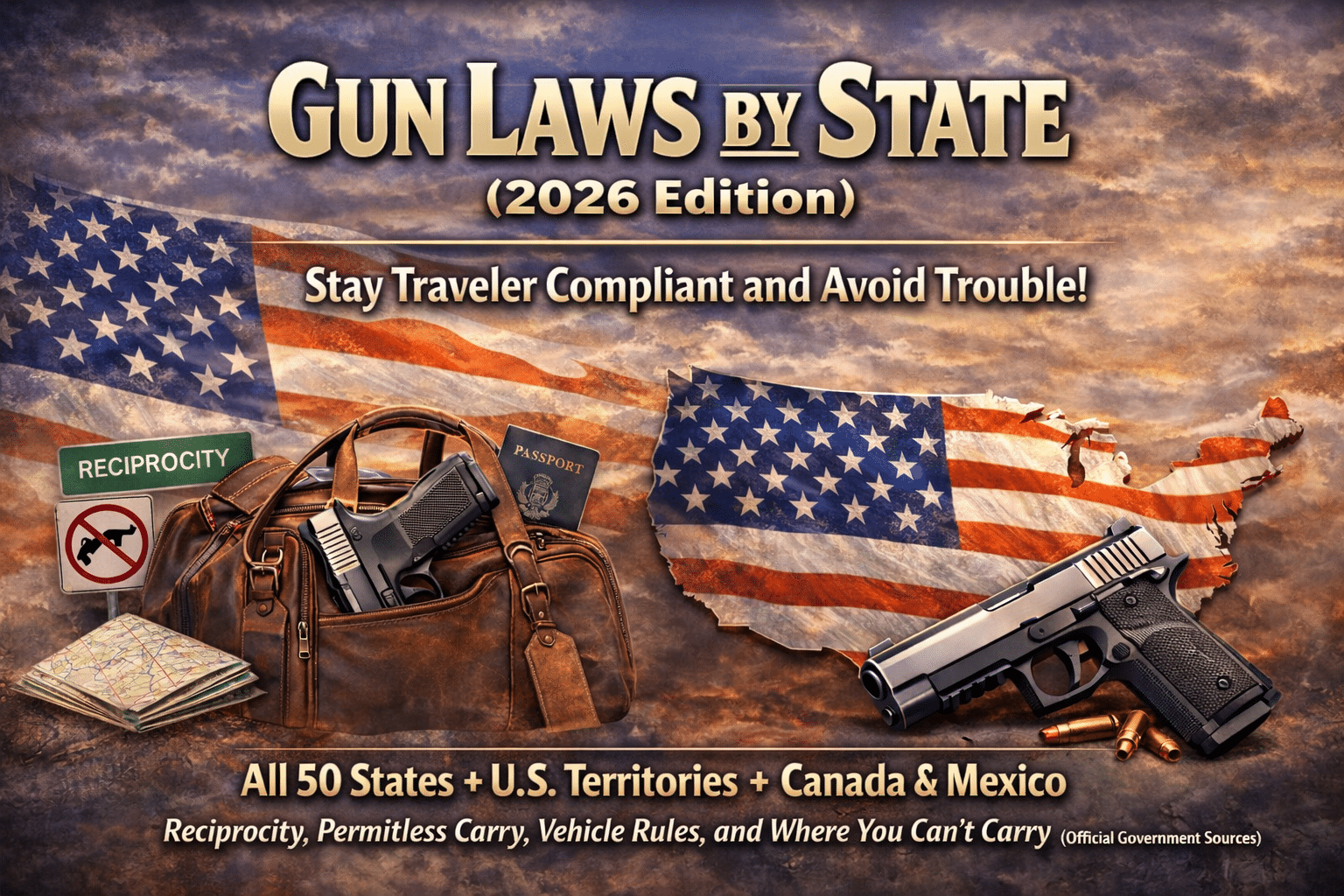
    • Glock 19
    • Smith & Wesson M&P Shield
    • Sig Sauer P365
    • Ruger LCP II
    • Beretta 92FS
    • Colt 1911
    • Springfield Armory XD-S
    • Walther PPS M2
    • Heckler & Koch VP9
    • CZ 75B

    What are the 10 Best Handguns for Self Defense?

    When considering handguns for self-defense, it’s important to choose a model that is reliable, easy to handle, and suitable for your specific needs and preferences.

    Here are some of the best handguns for personal protection, along with key features, and reasons they made our list. Check out ARMSAGORA to explore more details and pricing options:

    Glock 19

    A 9mm semi-automatic pistol, the Glock 19 is renowned for its reliability under various conditions. It’s a versatile firearm, equally suitable for concealed carry, home defense, and law enforcement use. Its magazine capacity typically holds 15 rounds, and its lightweight polymer frame makes it easy to handle.

    Size and Concealability: As a compact handgun, the Glock 19 strikes a balance between being small enough for concealed carry and large enough to handle comfortably. Its size makes it versatile for both concealed carry and home defense.

    Reliability: Glocks are renowned for their reliability. The Glock 19, in particular, is known to function reliably under a variety of conditions, which is crucial for a self-defense situation where dependability is paramount.

    Caliber: Chambered in 9mm, it offers a good balance of stopping power and manageable recoil. The 9mm caliber is also popular and widely available, making it easy to find ammunition.

    Magazine Capacity: With a standard magazine capacity of 15 rounds, the Glock 19 offers more than adequate firepower in a self-defense scenario without being too bulky.

    Ease of Use: The Glock 19 is simple to operate, making it a good choice for shooters of all experience levels. Its consistent trigger pull and lack of external safety make the operation straightforward, which can be beneficial in high-stress situations.

    Durability: Made with a polymer frame and a steel slide, the Glock 19 is both lightweight and durable. It’s designed to withstand harsh conditions and rough handling.

    Customization: There is a wide array of aftermarket parts and accessories available for the Glock 19, allowing owners to customize the firearm to their specific needs, whether it’s different sights, grips, or triggers.

    Widespread Use: The Glock 19 is used by law enforcement and military personnel worldwide, which speaks to its effectiveness and reliability as a firearm.

    Training and Familiarity: Due to its popularity, many training resources and opportunities are available specifically for the Glock 19. This can make it easier for a new owner to become proficient with the firearm.

    Smith & Wesson M&P Shield

    This is a slim, compact 9mm pistol designed for concealed carry. The Shield has a lower capacity than some other models (usually 7 or 8 rounds) but is highly valued for its slim profile, making it easy to carry without printing.

    Caliber Options: The M&P Shield is available in several calibers, with the most popular being 9mm and .40 S&W. The 9mm version is particularly favored for self-defense due to its balance of stopping power and manageable recoil.

    Size and Concealability: One of the main attractions of the M&P Shield is its slim, compact design. This makes it an excellent choice for concealed carry, as it is less likely to print under clothing and is comfortable to carry for extended periods.

    Capacity: The standard magazine capacity is 7 rounds for the 9mm version (with an extended magazine available that holds 8 rounds) and 6 rounds for the .40 caliber version (with an available 7-round extended magazine). This capacity is typical for ultra-compact handguns prioritizing concealability.

    Reliability and Durability: Smith & Wesson has a strong reputation for producing reliable and durable firearms. The M&P Shield, as part of the Military & Police (M&P) line, is designed to meet rigorous standards of performance.

    Ergonomics and Handling: The Shield has an ergonomic design that provides a comfortable grip, which is important for control and accuracy, especially in high-stress self-defense scenarios. Its lightweight nature also makes it easier to handle for a broader range of shooters.

    Trigger Quality: The M&P Shield features a consistent and crisp trigger pull, which can aid in accuracy and is often highlighted as a positive feature compared to other handguns in its class.

    Safety Features: Depending on the model, the Shield can come with or without a thumb safety. It also features a built-in trigger safety and a tactile loaded chamber indicator.

    Aftermarket Support: Like many popular handguns, the Shield has a robust range of aftermarket accessories available, allowing owners to customize sights, grips, and other components.

    Cost-Effectiveness: The M&P Shield is often praised for its affordability, making it an accessible option for many people considering a reliable self-defense handgun.

    Use and Popularity: The Shield is not only popular among civilian users for personal defense but also has seen use among law enforcement professionals as a backup weapon due to its reliability and compact size.

    Sig Sauer P365

    A compact 9mm pistol that revolutionized the concealed carry market with its high-capacity magazine in a very small frame. The standard magazine holds 10 rounds, with options for 12 or 15-round magazines, offering a great balance between firepower and concealability.

    Caliber: The P365 is chambered in 9mm, which is a widely favored caliber for self-defense due to its effective stopping power combined with manageable recoil, making it suitable for a wide range of shooters.

    Compact Size with High Capacity: The standout feature of the P365 is its high capacity in a very compact frame. Despite its small size, comparable to many micro-compact pistols, it offers a standard magazine capacity of 10 rounds, with options for 12 or 15-round extended magazines. This is a significant advancement over similar-sized pistols.

    Concealability: Due to its small size and slim profile, the P365 is exceptionally well-suited for concealed carry. It’s designed to be unobtrusive and comfortable for all-day carry, even for individuals with smaller frames.

    Ergonomics and Design: The P365 is designed with ergonomics in mind. It has a good grip texture and shape, making it comfortable and secure in the hand, which is crucial for control and accuracy.

    Reliability: Sig Sauer is known for producing reliable firearms, and the P365 is no exception. It has gained a reputation for dependable performance, which is a critical consideration for a self-defense firearm.

    Trigger Quality: The P365 features a smooth, consistent trigger pull, which aids in accurate shooting. The quality of the trigger is often highlighted by users as a significant positive aspect of the pistol.

    Sights: The P365 comes with high-quality SIGLITE night sights, providing excellent visibility in low light conditions, which is a common scenario in self-defense situations.

    Modularity and Customization: The P365 offers some level of modularity. Users can choose from a variety of models with different features (like manual safety, SAS model with integrated sights, XL model with longer barrel and grip), and there’s a growing market for aftermarket accessories.

    Build Quality: The pistol features a stainless steel frame and slide, contributing to its durability and solid feel, despite its lightweight design.

    Overall Reception: Since its release, the P365 has been highly praised in the shooting community for its innovative design, marrying the compactness of a micro-pistol with the capacity of larger handguns.

    Ruger LCP II

    This is a .380 ACP caliber pistol, one of the smallest and lightest on the market, making it an excellent choice for deep concealment. The LCP II is an updated version of the original LCP, with improved sights and trigger.

    Caliber: The LCP II is chambered in .380 ACP, which is a smaller caliber than 9mm. The .380 ACP is considered adequate for self-defense, particularly in close-range encounters, and is favored for its lower recoil.

    Size and Concealability: One of the most significant features of the LCP II is its extremely compact size. It’s one of the smallest and lightest handguns available, making it an excellent choice for deep concealment, pocket carry, or as a backup gun.

    Capacity: The standard magazine capacity is 6 rounds, which is typical for micro-compact pistols. Despite the lower capacity, its size makes it a practical option for situations where discretion and concealment are paramount.

    Design Improvements: The LCP II is an updated version of the original LCP (Lightweight Compact Pistol). It features improvements like a better trigger, which is lighter and has a shorter pull than its predecessor, and an easier-to-rack slide.

    Ergonomics: Despite its small size, the LCP II is designed with ergonomics in mind. It has a more comfortable grip compared to the original LCP, and its design helps to manage recoil, which is essential for accurate shooting in self-defense scenarios.

    Sights: The sights on the LCP II are integral and more prominent than those on the original LCP, making them easier to use, although they are still relatively basic compared to larger pistols.

    Safety Features: The LCP II includes several safety features, such as a secure magazine catch and a trigger safety mechanism, but does not have an external manual safety.

    Portability: The LCP II’s small size and light weight make it very portable. It’s a firearm that can be comfortably carried all day without being burdensome.

    Build Quality: Ruger is known for manufacturing robust and reliable firearms, and the LCP II is built to maintain functionality in various conditions.

    Use Case: While it may not be the first choice for a primary home defense weapon due to its small size and caliber, the LCP II shines as a concealed carry weapon for situations where discretion is key.

    Beretta 92FS

    A 9mm semi-automatic pistol, the 92FS is known for its open slide design, which helps reduce jamming. It has a 15-round magazine capacity and is famous for its accuracy and durability. It has been a standard issue for many military and police forces worldwide.

    Caliber: It is chambered in 9mm, a popular caliber for self-defense due to its effective balance of stopping power and manageable recoil.

    Design and Construction: The 92FS features a distinctive open-slide design, which helps prevent jamming and stove-piping. It has an all-metal frame (usually aluminum alloy) and a bruniton-coated steel slide, making it sturdy and durable.

    Capacity: The standard magazine capacity is 15 rounds, providing a good amount of firepower for a self-defense situation.

    Accuracy: The Beretta 92FS is known for its remarkable accuracy and stability, owing to its barrel design and tight manufacturing tolerances.

    Recoil Management: The weight of the pistol, combined with the design, helps manage recoil, making it easier to shoot accurately, especially for those with more training and experience.

    Safety Features: It includes an ambidextrous manual safety/decocker, allowing the shooter to safely lower the hammer on a chambered round and carry the gun with the safety engaged.

    Ergonomics: The grip design is comfortable for a wide range of hand sizes, and the controls are well-placed for ease of use.

    Reliability: The 92FS is renowned for its reliability, capable of enduring heavy use and harsh conditions. It has been the standard-issue sidearm for the U.S. military (as the M9) for many years, which attests to its durability and dependability.

    Aftermarket Support: There is a robust market for aftermarket accessories and parts, allowing for customization of grips, sights, and other components to suit individual preferences.

    Historical and Cultural Significance: The Beretta 92 series has a storied history and has been featured in numerous films and other media, making it an iconic firearm.

    Colt 1911

    A classic American .45 ACP pistol, the 1911 has a 7-round magazine capacity and is known for its stopping power. Its heavier frame can help manage recoil. The 1911 design has been around for over a century and remains popular due to its accuracy, reliability, and trigger quality.

    Caliber: The 1911 is traditionally chambered in .45 ACP (Automatic Colt Pistol), known for its stopping power. The .45 ACP is a larger and heavier round compared to 9mm, and it’s valued for its effectiveness in a self-defense situation.

    Design and History: The 1911 was designed by John Browning and has been in continuous production for over a century. Its enduring design is a testament to its effectiveness and reliability. The 1911 has a single-action trigger and a distinctive grip safety.

    Accuracy: The 1911 is renowned for its accuracy, which is partly attributed to its crisp and clean single-action trigger. This feature makes it a favorite among many shooters for both target shooting and self-defense.

    Ergonomics: The slim, single-stack design of the 1911 makes it comfortable for a wide range of hand sizes. The grip angle is often praised for its natural pointability.

    Magazine Capacity: The standard magazine capacity is usually 7 or 8 rounds. While this is lower than many modern pistols, many users of the 1911 value quality and stopping power of rounds over quantity.

    Build Quality and Craftsmanship: Many 1911 models, especially those from Colt, are known for their high-quality construction and attention to detail, including solid steel frames and finely machined parts.

    Customization: The 1911 platform is one of the most customizable in the world of handguns. There is a vast market for aftermarket parts and accessories, allowing for extensive personalization.

    Recoil Management: The weight of the 1911, due to its all-metal construction, helps in absorbing recoil, making the .45 ACP round more manageable to shoot.

    Safety Features: In addition to the grip safety, most 1911s have a manual thumb safety. This design is conducive to being carried in the “cocked and locked” position, which allows for quick deployment.

    Cultural and Historical Significance: The 1911 has a storied history, having been used extensively in multiple wars and by various military forces. Its iconic status and widespread use in media and popular culture have also contributed to its enduring popularity.

    Springfield Armory XD-S

    This is a compact 9mm or .45 ACP pistol known for its safety features, including a grip safety and trigger safety. It’s well-regarded for its slim, ergonomic design and is a popular choice for concealed carry.

    Caliber Options: The XD-S is available in several calibers, with the most common being 9mm, .40 S&W, and .45 ACP. The 9mm variant is particularly favored for self-defense due to its balance of stopping power and manageable recoil.

    Size and Concealability: The XD-S is designed to be a compact and slim pistol, making it an excellent choice for concealed carry. Its thin profile allows it to be easily concealed under clothing without significant printing.

    Capacity: Depending on the caliber, the standard magazine capacity varies. For the 9mm, it’s typically 7 rounds in the flush-fitting magazine, with extended magazines available that offer a higher capacity. The .45 ACP version usually has a 5-round standard magazine.

    Ergonomics: The XD-S is designed with ergonomics in mind, featuring a comfortable grip and a balanced weight that makes it easier to handle, especially for a compact firearm.

    Safety Features: One of the distinctive aspects of the XD-S is its array of safety features. It includes a grip safety, a trigger safety, and an internal firing pin block, making it a safe option for carry and use.

    Build Quality and Reliability: Springfield Armory has a reputation for building quality firearms, and the XD-S is known for its reliability and durability. It’s built to withstand rigorous use and maintain performance under various conditions.

    Trigger Quality: The XD-S features a smooth trigger with a consistent pull, which is beneficial for accuracy, especially in a high-stress self-defense scenario.

    Sights: The XD-S typically comes with fiber optic front sights and a dovetail rear, providing clear sight pictures for accurate aiming.

    Portability: Its compact size, combined with its lightweight design, makes the XD-S highly portable and comfortable for everyday carry.

    Aftermarket Support: While not as extensive as some other models, there is still a good range of aftermarket accessories available for the XD-S, including different sight options, grips, and holsters.

    Walther PPS M2

    A 9mm pistol, the PPS M2 is designed for concealed carry with a focus on ergonomics. It features a smooth trigger and a slim profile, with a magazine capacity that ranges from 6 to 8 rounds, depending on the magazine.

    Caliber: The PPS M2 is chambered in 9mm, which is a widely favored caliber for self-defense due to its effective balance of stopping power and manageable recoil.

    Size and Concealability: One of the main selling points of the PPS M2 is its slim, compact design. This makes it an excellent choice for concealed carry, as it can be easily hidden under clothing and is comfortable for all-day wear.

    Capacity: The PPS M2 offers a versatile approach to capacity with its different magazine options. It typically comes with 6, 7, and 8-round magazines, allowing the user to choose based on the balance of concealability and firepower they prefer.

    Ergonomics: The pistol is designed with ergonomics in mind, featuring a comfortable grip that suits various hand sizes. The grip texture provides a secure hold, aiding in control and accuracy.

    Trigger Quality: The PPS M2 has a smooth and consistent trigger pull, which is an important factor for precision in stressful self-defense situations.

    Build Quality and Reliability: Walther has a reputation for high-quality craftsmanship, and the PPS M2 is known for its solid build and reliable performance. It’s designed to function consistently, even under adverse conditions.

    Safety Features: The PPS M2 has an internal striker block (as a safety mechanism) and a trigger safety. It does not feature an external safety switch, which some shooters prefer for quick readiness in a defensive situation.

    Sights: The handgun comes equipped with low-profile, three-dot metal sights that are effective for quick target acquisition.

    Aftermarket Support: While the market for accessories may not be as extensive as for some other models, there are still ample options for customizing the PPS M2, including sights, grips, and holsters.

    Reputation and Use: The PPS M2 is well-regarded in the shooting community for its practical balance of size, ergonomics, and performance. It’s a popular choice among both civilian concealed carriers and some law enforcement officers as a backup weapon.

    Heckler & Koch VP9

    This is a 9mm pistol known for its accuracy and ergonomic design. The VP9 has a unique feature in its customizable grip, allowing the shooter to change the grip panels to fit their hand size. It typically has a 15-round magazine.

    Caliber: The VP9 is chambered in 9mm, a popular choice for self-defense due to its balance of stopping power and manageable recoil.

    Ergonomic Design: One of the standout features of the VP9 is its ergonomic grip design. It comes with interchangeable backstraps and side panels, allowing the shooter to customize the grip to fit their hand perfectly, which enhances control and comfort.

    Trigger Quality: The VP9 is noted for having one of the best stock triggers in the striker-fired pistol category. It has a short, light, and crisp trigger pull with a positive reset, which is advantageous for accuracy and fast follow-up shots.

    Capacity: The standard magazine capacity is 15 rounds, providing ample firepower for a self-defense scenario.

    Sights: It typically comes with high-quality luminescent sights, which are easy to use and effective for quick target acquisition. Some models may also come with tritium night sights.

    Build Quality and Reliability: H&K is known for its high manufacturing standards and rigorous quality control. The VP9 maintains these standards, offering a reliable and durable firearm that can withstand heavy use and adverse conditions.

    Safety Features: The VP9 includes multiple safety features such as a firing pin block and a trigger safety. Unlike many other striker-fired pistols, it also has a paddle-style magazine release integrated into the trigger guard, which some shooters prefer for its intuitiveness and security.

    Recoil Management: The design and weight distribution of the VP9 help manage recoil effectively, making it easier to shoot accurately, especially for those with less experience.

    Customization and Accessories: There’s a growing market for VP9 accessories, including sights, holsters, and magazine options, allowing users to customize the firearm to their liking.

    Aesthetics and Handling: The VP9 is often praised for its modern, sleek design and overall excellent handling characteristics, making it an appealing choice for many shooters.

    CZ 75B

    A 9mm semi-automatic pistol, known for its all-steel construction, which gives it a solid feel and helps manage recoil. The CZ 75B has a high magazine capacity, usually 16 rounds, and is valued for its accuracy and durability.

    Caliber: The CZ 75B is chambered primarily in 9mm, a popular caliber for self-defense due to its balance of stopping power and manageable recoil. There are also variants in other calibers.

    Design: One of the distinctive features of the CZ 75B is its all-steel construction, contributing to its weight and durability. This weight helps with recoil management, making the firearm more stable and easier to shoot accurately.

    Capacity: It has a high magazine capacity, typically holding 16 rounds in 9mm, which is considerable for a full-size pistol and provides a significant advantage in a self-defense scenario.

    Ergonomics: The CZ 75B is known for its ergonomic grip and well-balanced design, making it comfortable to hold and shoot, even for extended periods.

    Trigger Mechanism: The pistol operates in both single-action and double-action modes, offering versatility in how it can be carried and used. The trigger is generally well-regarded for its smoothness and consistency.

    Safety Features: It comes with a manual safety, but no de-cocker in the standard version (the CZ 75BD variant includes a de-cocker). This setup is often preferred by enthusiasts and those who train regularly.

    Accuracy: The CZ 75B is renowned for its accuracy, partly due to its fixed barrel design, which tends to provide more consistent shot placement compared to some other designs.

    Recoil Management: The weight and design of the CZ 75B, along with its low bore axis (which means the barrel sits closer to the hand), aid in managing recoil, making it more comfortable to shoot, particularly for those with more experience.

    Aftermarket Support: There is a robust market for aftermarket parts and accessories, allowing for customization in terms of sights, grips, and other modifications.

    Reputation and Usage: The CZ 75B has a strong reputation worldwide and is used by various military and law enforcement agencies. Its design has influenced many other handgun models.

    When choosing a firearm for self-defense, consider factors like the size of your hand, your experience with firearms, the intended use (concealed carry vs. home defense), and your personal comfort with the firearm’s operation and recoil.

    It’s also important to try out different models at a range, if possible, to find the best fit for you.

    Top Handguns for Self Defense: Frequently Asked Questions (FAQs)

    What is the Best Handgun for Self Defense 2024?

    Selecting the best handgun for self defense is a matter of personal preference.

    However, these three handguns frequently stand out due to their reliability, ease of use, and overall performance:

    1. Glock 19:

    • Why It’s Recommended: The Glock 19 is praised for its reliability, ease of handling, and versatility. Its size strikes a balance between being compact enough for concealed carry and large enough for comfortable shooting and good accuracy.
    • Caliber: 9mm, which offers a good balance of stopping power and manageable recoil.
    • Capacity: Standard magazine capacity of 15 rounds, which is generous for its size.
    • Notable Features: It has a simple design with fewer moving parts, contributing to its reliability. Also, it has a large aftermarket, allowing for extensive customization.

    2. Sig Sauer P365:

    • Why It’s Recommended: Renowned for revolutionizing the compact pistol market by offering high capacity in a very small frame. It’s especially suitable for concealed carry without sacrificing firepower.
    • Caliber: 9mm.
    • Capacity: Comes with a standard 10-round magazine, with options for 12 or 15-round magazines.
    • Notable Features: Despite its small size, it’s comfortable to shoot, and the higher capacity magazines come with an extended grip area for better handling.

    3. Smith & Wesson M&P Shield:

    • Why It’s Recommended: Favored for its slim, lightweight design, making it an excellent choice for concealed carry. It balances firepower with concealability effectively.
    • Caliber: Available in 9mm, .40 S&W, and .45 ACP.
    • Capacity: 7 to 8 rounds for 9mm (varies with caliber).
    • Notable Features: Offers a comfortable grip and good ergonomics. It also has a reputation for reliability and accuracy.

    What is the Best Handgun Caliber for Self Defense?

    The “best” caliber for a self defense handgun can vary based on individual needs and preferences.

    However, the 9mm is often recommended for its balance of stopping power, capacity, and recoil, making it suitable for a wide range of shooters.

    Some shooters prefer the heavier .45 ACP for its impact, while others opt for the .380 ACP for ease of use, especially in compact firearms.

    What is the Best Handgun to Buy for Concealed Carry Self Defense?

    Here are the top three handguns for 2024 commonly recommended for concealed carry self-defense, focusing on their balance of size, capacity, and ease of use:

    1. Sig Sauer P365:

    • Caliber: 9mm.
    • Capacity: Standard 10-round magazine, with options for 12 or 15-round magazines.
    • Key Features: Compact size with high capacity, comfortable grip, and manageable recoil. Ideal for concealed carry due to its small frame yet ample firepower.

    2. Glock 43X:

    • Caliber: 9mm.
    • Capacity: 10 rounds.
    • Key Features: A slim, subcompact design with a larger grip size than the Glock 43 for better control. Known for Glock’s reliability and durability, it’s suitable for everyday carry and easy to conceal.

    3. Smith & Wesson M&P Shield:

    • Caliber: Available in 9mm, .40 S&W, and .45 ACP.
    • Capacity: 7 to 8 rounds in 9mm (varies with caliber).
    • Key Features: Slim profile, ergonomic design, and a balance between concealability and firepower. It’s reliable, easy to use, and a popular choice among concealed carriers.

    Using a .22 caliber handgun for self-defense is generally not recommended by most firearm experts due to the caliber’s relatively low stopping power compared to larger calibers like 9mm, .40 S&W, or .45 ACP. However, there are situations where a .22 may be chosen for self-defense, especially by individuals who are particularly sensitive to recoil, have physical limitations, or need a very lightweight and easy-to-handle firearm.

    Here are some of the .22 caliber handguns that are often considered among the best in their category, keeping in mind their limitations for self-defense:

    What is the Best 22 Handgun for Self Defense?

    Using a .22 caliber handgun for self-defense is generally not recommended by most firearm experts due to the caliber’s relatively low stopping power compared to larger calibers like 9mm, .40 S&W, or .45 ACP.

    Yet, there are situations where a .22 may be chosen for self-defense, especially by individuals who are particularly sensitive to recoil, have physical limitations, or need a very lightweight and easy-to-handle firearm.

    Here are three of the top .22 caliber handguns that are often considered among the best in their category, keeping in mind their limitations for self-defense:

    1. Ruger SR22:

    • Features: Known for its reliability and ease of use. It has a lightweight, compact design with an adjustable grip to fit different hand sizes.
    • Capacity: 10 rounds, which is high compared to larger caliber handguns.
    • Suitability: Good for those who are recoil-sensitive or new to shooting.

    2. Walther P22:

    • Features: Compact design with ergonomic grip and simple controls, making it easy to handle.
    • Capacity: Typically 10 rounds.
    • Suitability: Its small size and low recoil make it a good choice for smaller-framed shooters.

    3. Smith & Wesson M&P22 Compact:

    • Features: Designed to mirror the popular M&P series of centerfire pistols in terms of ergonomics and control layout.
    • Capacity: 10 rounds.
    • Suitability: It’s a good training tool for those who use larger M&P series handguns for self-defense but prefer a .22 for reduced recoil.

    Conclusion & Wrap-Up

    In conclusion, 2024 has brought a diverse range of handguns suitable for self-defense, catering to different needs and preferences.

    Whether you prioritize technological innovation, compact design, or budget-friendliness, there’s a handgun on this list that meets your self-defense needs.

    Remember, choosing a handgun is a personal decision, and it’s crucial to select a model that you’re comfortable with in terms of handling, maintenance, and use.

    Stay safe and informed out there!

    About the Author

    Brian Reese Gun Show Trader

    Brian Reese is a senior advisor and co-owner at Gun Show Trader. He is one of the world’s leading experts in veteran benefits, having helped millions of veterans secure their financial future since 2013. Brian is the founder VA Claims Insider, an education-based Coaching & Consulting company whose mission is to educate and empower veterans to get the VA disability benefits they’ve earned for their honorable service. A former active-duty air force officer, Brian deployed to Afghanistan in support of Operation Enduring Freedom. He is a distinguished graduate of management of the United States Air Force Academy and earned his MBA as a National Honor Scholar from the Spears School of Business at Oklahoma State University.
  • When is the Fort Worth Gun Show?

    When is the Fort Worth Gun Show?

    The Original Fort Worth Gun Show, a huge Texas firearms event held since 1972, is scheduled for 10 dates in 2024.

    The event is held at the Will Rogers Memorial Center, located at the Amon Carter Exhibit Hall, 3401 Burnett Tandy, Fort Worth, TX 76107.

    The show features over 1,200 tables and is recognized for being the biggest gun show in Texas.

    Fort Worth Gun Show Dates for 2024

    • February 10 & 11, 2024
    • March 16 & 17, 2024
    • April 27 & 28, 2024
    • June 8 & 9, 2024
    • June 29 & 30, 2024
    • August 24 & 25, 2024
    • September 28 & 29, 2024
    • October 26 & 27, 2024
    • December 14 & 15, 2024
    • December 28 & 29, 2024

    What are the Fort Worth Gun Show hours?

    • Saturdays: 9:00 am – 5:00 pm
    • Sundays: 10:00 am – 4:00 pm

    What are the admission fees?

    • General Admission: $10 (cash only at the gate)
    • Weekend Passes: $15 (cash only at the gate)
    • Children 11 and Under: Free
    • Uniformed Peace Officers: Free

    Please note that the City of Fort Worth charges $12 for parking.

    For more detailed information from the event promoter, you can visit Premier Gun Shows here and the listing on Gun Show Trader here.

    Should I Attend the Fort Worth Gun Show?

    The decision on whether the Fort Worth Gun Show is worth attending depends on individual preferences and interests.

    Here are a few customer reviews and opinions from past attendees:

    • Variety of Exhibits: Attendees appreciate the large scale of the show, citing the wide variety of items beyond firearms, including accessories and related merchandise. This diversity can be appealing to a broader audience.
    • Size and Scale: The show is known for its size, being the largest gun show in Texas with over 1,200 tables. For enthusiasts looking for a wide range of options and a large event, this could be a positive aspect.
    • Non-Gun Related Items: A few reviews have pointed out that a sizable portion of the show includes items not directly related to firearms, resembling a flea market. This aspect might be less appealing to those strictly interested in firearms.
    • Parking and Accessibility: Several attendees have noted issues with parking, both in terms of cost ($12) and convenience. This could be a consideration for those who prioritize easy access and affordability. It should be noted that the organizer doesn’t charge for parking. The city of Forth Worth charges the parking fee.
    • Atmosphere and Experience: Reviews vary in terms of the overall experience, with some praising the show as a great place to meet people and learn about guns, while others find it less focused and too commercialized.
    • Admission Costs: General admission is $10, with a weekend pass available for $15, which is reasonable for a large event. This could be a value-for-money aspect for many attendees. Most attendees think it is well worth the price of admission.

      In summary, if you are a gun enthusiast or interested in a large, diverse trade show experience, the Fort Worth Gun Show might be worth attending.

      However, if you are looking for a more focused firearms-only event or have concerns about parking and accessibility, you might want to consider these aspects before deciding.

      As with any event, personal interests and preferences play a significant role in determining its worth.

      About the Author

      Brian Reese Gun Show Trader

      Brian Reese is a senior advisor and co-owner at Gun Show Trader. He is one of the world’s leading experts in veteran benefits, having helped millions of veterans secure their financial future since 2013. Brian is the founder VA Claims Insider, an education-based Coaching & Consulting company whose mission is to educate and empower veterans to get the VA disability benefits they’ve earned for their honorable service. A former active-duty air force officer, Brian deployed to Afghanistan in support of Operation Enduring Freedom. He is a distinguished graduate of management of the United States Air Force Academy and earned his MBA as a National Honor Scholar from the Spears School of Business at Oklahoma State University.
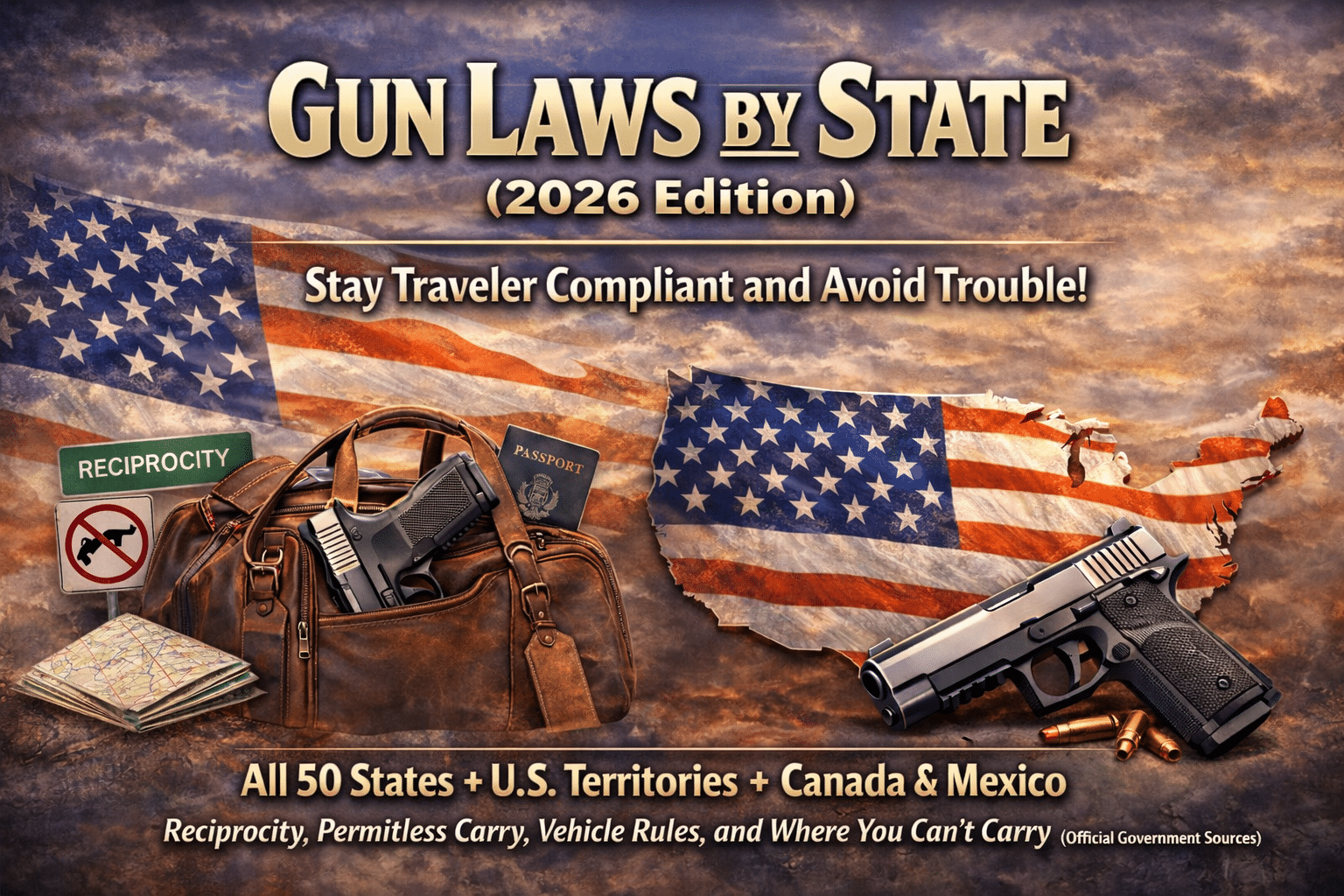
    1. Top 10 Firearm Collectors Websites of 2024

      Top 10 Firearm Collectors Websites of 2024

      Today, we’ll explore a list of our 10 favorite firearm collectors websites for 2024.

      The world of gun collecting is as diverse and intricate as the history of firearms themselves.

      From antique flintlocks to modern tactical pieces, there’s a vast universe to explore online.

      For gun enthusiasts looking to expand their knowledge, buy, sell, or simply admire historic and collectible firearms, a quick internet search offers an abundance of resources. You can also check out ARMSAGORA for all your firearm needs.

      Here’s a look at the 10 best gun collector websites, each offering its unique slice of gun history and collector culture.

      Let’s begin.

      List of the 10 Best Firearm Collectors Websites

      • Collectors Firearms
      • Guns.com (Collectors Corner)
      • Rock Island Auction
      • Classic Firearms
      • GunsInternational.com
      • GunBroker.com
      • AntiqueGuns.com
      • ArmsCollectors.com
      • OldGuns.net
      • Simpson Ltd

      #1. Collectors Firearms

      Collectors Firearms is a renowned online destination for firearms enthusiasts and collectors alike. Their extensive inventory includes a wide range of firearms, from rifles and shotguns to Class III firearms and antique handguns. The website caters to serious collectors and casual enthusiasts alike, offering a diverse selection of firearms for all levels of interest and expertise.

      Pros:

      • Vast Inventory: Collectors Firearms boasts an extensive and diverse inventory, making it a one-stop shop for firearms enthusiasts.
      • Class III Firearms: Rare and sought-after Class III firearms can be found here, appealing to serious collectors.
      • Antique Handguns: The collection of antique handguns caters to history buffs and collectors of vintage firearms.

      Cons:

      • Pricing: Some items in the inventory may be on the higher end of the price spectrum due to the rarity of certain firearms.
      • Limited Information: Detailed information about the firearms may vary, and potential buyers might need to request additional details.

      #2. Guns.com (Collectors Corner)

      Guns.com Collectors Corner is an excellent online platform for individuals seeking historical and rare firearms. The website curates a unique collection of firearms with a focus on items that hold significant historical value and uniqueness.

      Pros:

      • Unique Firearms: Guns.com Collectors Corner offers a carefully curated collection of historical and rare firearms, making it a go-to-choice for collectors looking for something extraordinary.
      • Detailed Listings: Listings typically provide comprehensive information about the featured firearms.
      • Trusted Platform: Guns.com is a reputable and well-established online firearms marketplace.

      Cons:

      • Limited Inventory: The focus on historical and rare firearms means that the inventory may not be as extensive as some other websites.
      • Potentially High Prices: Due to the rarity of the items, prices can be on the higher side.

      #3. Rock Island Auction

      Rock Island Auction is a prestigious online platform specializing in antique and collectible firearms. Known for its high-profile auctions, this site is a favorite among serious collectors and firearms enthusiasts seeking rare and valuable pieces.

      Pros:

      • Prestigious Auctions: Rock Island Auction is renowned for its auctions, featuring some of the most sought-after collectible firearms in the world.
      • Expertise: The site’s staff and experts provide valuable insights and information about firearms.
      • Historical Significance: Many firearms on the site have historical significance, making them valuable for collectors and history buffs.

      Cons:

      • Competitive Bidding: Due to the prestige of the auctions, winning bids can be quite competitive, potentially driving up prices.
      • Limited Availability: The rare and collectible nature of the firearms means that some collectors may find it challenging to locate specific items.

      #4. Classic Firearms

      Classic Firearms specializes in offering military surplus guns, ammunition, and shooting accessories. It caters to a broad audience, including collectors, firearm enthusiasts, and individuals looking for affordable surplus firearms.

      Pros:

      • Military Surplus: Classic Firearms provides a wide range of military surplus firearms, appealing to collectors interested in historical and authentic weapons.
      • Competitive Prices: The site often features affordable options, making it accessible for budget-conscious buyers.
      • Ammunition and Accessories: In addition to firearms, Classic Firearms offers a selection of ammunition and accessories for shooting enthusiasts.

      Cons:

      • Limited Variety: The focus on military surplus firearms means that the inventory may lack diversity in terms of firearm types.
      • Limited Collectibles: Serious collectors seeking rare and antique firearms may find the selection relatively limited.

      #5. GunsInternational.com

      GunsInternational.com is a global online marketplace that caters to collectors and enthusiasts looking for a wide variety of firearms. It serves as a platform for buyers and sellers from around the world to connect.

      Pros:

      • Global Reach: GunsInternational.com provides access to firearms from various countries, expanding the choices available to collectors.
      • Variety: The marketplace features a broad range of collectors’ firearms, from modern to antique.
      • Accessibility: It offers a user-friendly platform for browsing and purchasing firearms from different sellers.

      Cons:

      • Price Variability: Prices can vary significantly from one seller to another, and buyers should exercise caution and due diligence.
      • Shipping Regulations: International purchases may involve complex shipping regulations and additional costs.

      #6. GunBroker.com

      GunBroker.com is a comprehensive online platform that facilitates the buying and selling of firearms. It includes a dedicated section for collectible firearms, making it a versatile choice for collectors and enthusiasts.

      Pros:

      • Large Marketplace: GunBroker.com is one of the largest online firearms marketplaces, offering an extensive inventory.
      • Collectibles Section: The dedicated collectibles section simplifies the search for rare and vintage firearms.
      • Transparency: Listings often include detailed information and photographs, aiding buyers in making informed decisions.

      Cons:

      • Competition: The size of the marketplace can lead to competitive bidding, potentially driving up prices.
      • Varying Quality: As a platform for individual sellers, the condition and authenticity of collectible firearms can vary.

      #7. AntiqueGuns.com

      AntiqueGuns.com is a specialized online platform focused exclusively on antique guns and collectible firearms from different historical periods. It caters to collectors with a passion for vintage weaponry.

      Pros:

      • Niche Focus: AntiqueGuns.com specializes in antique firearms, making it an ideal destination for collectors with a specific interest in vintage guns.
      • Expertise: The website often provides detailed information and historical context for the firearms listed.
      • Authenticity: The site prioritizes the authenticity and historical accuracy of the firearms it features.

      Cons:

      • Limited Selection: The inventory primarily consists of antique firearms, so individuals seeking modern or more diverse options may need to look elsewhere.
      • Pricing: Due to the rarity of some antique firearms, prices can be relatively high.

      #8. ArmsCollectors.com

      ArmsCollectors.com is an online resource that caters to firearms collectors by providing a wealth of information, including featured collector items and recommended books. While it doesn’t directly sell firearms, it serves as a valuable knowledge hub.

      Pros:

      • Information Hub: ArmsCollectors.com offers a vast amount of information, making it a valuable resource for collectors looking to expand their knowledge.
      • Collector Recommendations: The site provides insights into featured collector items and suggests relevant books for further research.
      • Community Engagement: Visitors can engage with a like-minded community of firearms enthusiasts and collectors.

      Cons:

      • Limited Inventory: ArmsCollectors.com does not directly sell firearms, so buyers looking to make immediate purchases may need to visit other online marketplaces.
      • No Direct Sales: The website does not facilitate buying or selling transactions, which may be a drawback for those seeking a marketplace.

      #9. OldGuns.net

      OldGuns.net is a detailed online resource that focuses on specific firearm makes and models, including Marlin, Mauser, Remington, and U.S. Military firearms. It serves as an educational platform for enthusiasts interested in these specific categories.

      Pros:

      • In-Depth Information: OldGuns.net offers comprehensive information about specific firearm makes and models, making it a valuable resource for enthusiasts seeking detailed knowledge.
      • Educational Content: The site provides historical context and technical details about featured firearms.
      • Specialized Focus: It caters to collectors and enthusiasts with a specific interest in Marlin, Mauser, Remington, and U.S. Military firearms.

      Cons:

      • Limited Scope: OldGuns.net has a narrow focus on specific firearm brands and categories, so it may not cater to collectors with broader interests.
      • No Direct Sales: The website does not facilitate buying or selling transactions, which may be a drawback for those seeking a marketplace.

      #10. Simpson Ltd

      Simpson Ltd is a specialized online firearms dealer that caters to collectors, especially those interested in antique and historical firearms. The website offers a diverse selection of collectible firearms, including rare and unique pieces.

      Pros:

      • Antique Focus: Simpson Ltd primarily specializes in antique firearms, making it an excellent destination for collectors interested in historical weaponry.
      • Extensive Selection: The website features a broad range of collectible firearms, from classic handguns to military rifles.
      • Detailed Listings: Listings typically provide comprehensive information and high-quality photographs, aiding collectors in their research.

      Cons:

      • Pricing: Due to the rarity of some items, prices can be relatively high.
      • Limited Modern Firearms: While it offers antique and collectible firearms, it may not be the best choice for those seeking modern or contemporary models.

      About the Author

      Brian Reese Gun Show Trader

      Brian Reese is a senior advisor and co-owner at Gun Show Trader. He is one of the world’s leading experts in veteran benefits, having helped millions of veterans secure their financial future since 2013. Brian is the founder VA Claims Insider, an education-based Coaching & Consulting company whose mission is to educate and empower veterans to get the VA disability benefits they’ve earned for their honorable service. A former active-duty air force officer, Brian deployed to Afghanistan in support of Operation Enduring Freedom. He is a distinguished graduate of management of the United States Air Force Academy and earned his MBA as a National Honor Scholar from the Spears School of Business at Oklahoma State University.

    2. Gun Shows 101: Here’s What to Expect at a Gun Show!

      Gun Shows 101: Here’s What to Expect at a Gun Show!

      Are you wondering what to expect at a gun show?

      Well, you’re not alone!

      In this article, we’re going to explain everything you need to know about attending a gun show, even if you’re a first timer.

      A gun show can be an intriguing, and fun event for enthusiasts, collectors, and anyone interested in firearms and related accessories.

      Whether you’re a seasoned attendee or a first timer, here’s some tips and useful reminders before you attend a gun show this year.

      What is a Gun Show?

      A gun show is a public, in-person event, where firearms, ammunition, and related accessories are displayed, bought, and sold.

      These shows vary in size, with some featuring a few dozen vendors and others boasting hundreds or even thousands.

      Here’s our list of the 7 biggest gun shows in the United States.

      What Should I Bring to a Gun Show?

      When attending a gun show, it’s a good idea to come prepared to ensure a comfortable and productive experience.

      Here’s a list of gun show tips as well as items you might want to bring with you:

      • Identification: Bring a valid government-issued photo ID, such as a driver’s license or state ID, especially if you plan to purchase firearms or ammunition.
      • Cash $$$: While some vendors may accept credit cards, many prefer or only accept cash. Having cash on hand can make transactions smoother.
      • A bag or backpack: You may want a bag to carry your purchases, any literature, or brochures you collect, and any personal items like snacks, water, or a first-aid kit. Make sure to check the event’s official website to ensure they allow bags or backpacks.
      • Comfortable footwear and clothing: Wear comfortable shoes, as gun shows can involve a lot of walking. Dress appropriately for the weather, as some shows may be indoors while others may be outdoors. Some gun shows have both indoor and outdoor venues.
      • Smartphone: Bring your smartphone for jotting down notes, vendor information, or contact details. You’ll likely meet a bunch of different vendors (including other attendees) and you will want to exchange contact information.
      • Knowledge of local laws: Familiarize yourself with the firearms laws and regulations specific to your area, especially if you plan to make a purchase. This will help you make informed decisions and ensure compliance with the law.
      • Gun show concealed carry: Gun show organizers often have their own rules and regulations regarding firearms at their events. Some may permit concealed carry by individuals with valid permits, while others may restrict or prohibit it. It’s crucial to check the event’s website or contact the organizers to understand their specific policies. Do not bring your firearm into a gun show without checking the official policy of the event organizer.

      What to Expect at a Gun Show

      When attending a gun show, you can expect an event primarily focused on firearms and related accessories.

      Here are some common things you might encounter to include helpful gun show rules and reminders:

      • Firearms: Gun shows are known for their wide selection of firearms, including handguns, rifles, shotguns, and sometimes even antique or collectible guns. You can expect to see both new and used firearms for sale by licensed dealers and private sellers.
      • Ammunition: Ammunition is often available for purchase at gun shows, with various calibers and types to choose from. You can find both common and specialty ammunition.
      • Accessories: Gun accessories such as holsters, magazines, scopes, sights, grips, and cleaning supplies are typically available at gun shows. These items can help enhance the functionality and customization of firearms.
      • Knives and blades: Some gun shows also feature vendors selling knives, swords, and other bladed weapons. These are often popular among collectors and outdoor enthusiasts.
      • Outdoor and hunting gear: You may come across booths or vendors selling outdoor gear, hunting equipment, and related items such as camouflage clothing, camping gear, and hunting accessories.
      • Collectibles and memorabilia: Gun shows often have tables with collectible firearms, historical items, and military memorabilia for sale. These can include antique firearms, military surplus gear, and historical documents.
      • Antique and vintage guns: Some gun shows have dedicated sections or vendors specializing in antique and vintage firearms. These can be valuable collectibles for enthusiasts.
      • Safety information: Many gun shows prioritize safety and responsible gun ownership. You might find literature, seminars, or demonstrations on firearm safety, storage, and maintenance.
      • Licensed dealers: Licensed firearms dealers typically participate in gun shows. They must adhere to federal and state regulations, including conducting background checks for firearm sales, as required by law.
      • Private sellers: In some cases, private individuals may attend gun shows to sell firearms from their personal collections. Laws regarding private sales vary by state, so be sure to familiarize yourself with the regulations in your area.
      • Background checks: Depending on local laws and regulations, background checks may be conducted for all firearm purchases, even private sales, at the gun show.
      • Admission fees: Most gun shows charge an entrance fee. Be prepared for any potential admission fees. Bring cash and a credit card with you to the event. Sometimes you can buy a ticket online before the event.
      • Food and drink: Many gun shows offer food and drinks for attendees. The availability and variety of food and beverages can vary from one gun show to another. It’s common to find vendors or concession stands selling items like hot dogs, hamburgers, sandwiches, snacks, soft drinks, and coffee.
      • Crowds and atmosphere: Gun shows can be crowded and lively events, with attendees ranging from collectors and enthusiasts to individuals looking for their first firearm purchase. The atmosphere can vary from show to show.
      • Vendor diversity: The diversity of vendors and the specific items available can vary widely from one gun show to another, so it’s a good idea to check the event’s website or contact the organizers in advance to get an idea of what to expect.

      Remember that laws and regulations regarding firearms and related items can vary greatly from state to state and even from one gun show to another.

      It’s essential to be knowledgeable about your local laws, and if you plan to make a purchase, ensure you meet all legal requirements, including background checks and permits, if necessary.

      How to Find Gun Shows Online

      If you want to attend a gun show in-person, start by searching online.

      Gun and knife shows are usually advertised weeks, if not months, ahead of the scheduled event.

      When you find one you like, it’s a good idea to check the official website of the promoter or call the organizers for more info.

      Gun shows are a great way to learn about different guns and buy them and accessories at good prices.

      Whether you’re a gun expert or just curious, attending one can be a valuable experience.

      Plus, they’re a ton of fun!

      Conclusion

      A gun show offers a unique and fascinating experience.

      With a mix of historical appreciation, educational opportunities, and a wide variety of products, it’s an event that can cater to a diverse group of interests.

      Whether you’re there to buy, sell, learn, or simply observe, there’s something for everyone at a gun show.

      Remember, every gun show is different, so experiences can vary.

      The key is to go with an open mind, a sense of curiosity, and a respect for firearms and the people who appreciate them.

      About the Author

      Brian Reese Gun Show Trader

      Brian Reese is a senior advisor and co-owner at Gun Show Trader. He is one of the world’s leading experts in veteran benefits, having helped millions of veterans secure their financial future since 2013. Brian is the founder VA Claims Insider, an education-based Coaching & Consulting company whose mission is to educate and empower veterans to get the VA disability benefits they’ve earned for their honorable service. A former active-duty air force officer, Brian deployed to Afghanistan in support of Operation Enduring Freedom. He is a distinguished graduate of management of the United States Air Force Academy and earned his MBA as a National Honor Scholar from the Spears School of Business at Oklahoma State University.
    3. Top 7 Largest Gun Shows in the USA [2024]

      Top 7 Largest Gun Shows in the USA [2024]

      Today, Gun Show Trader will reveal the top 7 largest gun shows in the USA for 2024.

      If you’re looking for the biggest and best gun and knife shows, this ultimate guide is for you!

      List of the 7 Largest Gun Shows in 2024

      #1. Wanenmacher’s Tulsa Arms Show (Tulsa, Oklahoma)

      Known as the world’s largest gun show, this event features over 4,200 tables in an 11-acre room, mainly focusing on antique and modern guns​​. You’ll also find the world’s largest selection of antique, collector and modern firearms, knives, and accessories. Upcoming shows are April 6-7, 2024, and November 9-10, 2024, in Tulsa, OK.

      #2. SHOT Show (Las Vegas, Nevada)

      The SHOT Show, or Shooting, Hunting, Outdoor Trade Show, is an annual tradeshow for the shooting, hunting, and firearms industry. It’s the largest event of its kind in the world and is held in Las Vegas, Nevada. This show is a venue where manufacturers, dealers, and other industry professionals showcase their latest products, including firearms, ammunition, outdoor apparel, optics, and related accessories and services. Over 50,000 industry professionals from the firearms and outdoor industries will attend the SHOT Show for over four days, with approximately 2,000 exhibiting companies. Jan 23–26, 2024 Venetian Expo + Caesars Forum, Las Vegas, NV.

      #3. The Nation’s Gun Show (Chantilly, Virginia)

      This show is a massive gun and knife show where you’ll find over 1,300 tables with guns, modern guns, antique firearms, knives, ammo, militaria, accessories, shotguns, rifles, shotguns, holsters, and swords. The Nation’s Gun Show will take place seven different times in 2024, including February 2, 3, and 4, 2024, April 19, 20, and 21, 2024, June 14, 15, and 16, 2024, July 19, 20, and 21, 2024, September 27, 28, and 29, 2024, November 22, 23, and 24, 2024, and December 27, 28, and 29, 2024 in Chantilly, VA.

      #4. The Original Fort Worth Gun Show (Fort Worth, Texas)

      The Fort Worth Gun Show at the Will Rogers Memorial Center in Fort Worth, Texas is the biggest gun show in Texas. You’ll find over 1,200 Tables of Guns, Knives, Ammo, Militaria, Hunting, and Shooting Supplies. There are 10 events in 2024 including February 10 and 11, 2024, March 16 and 17, 2024, April 27 and 28, 2024, June 8 and 9, 2024, June 29 and 30, 2024, August 24 and 25, 2024, September 28 and 29, 2024, October 26 and 27, 2024, December 14 and 15, 2024, and December 28 and 29, 2024

      #5. Great American Outdoor Show (Harrisburg, Pennsylvania)

      The Great American Outdoor Show is a nine-day event with over 1,050 exhibitors in Harrisburg, Pennsylvania that celebrates hunting, fishing, and outdoor traditions treasured by millions of Americans and their families. February 3-11, 2024.

      #6. Antique Arms Show (Las Vegas, Nevada)

      This show brings together top antique firearms, curios, and merchants, with strict standards for participation​​. Long known for discerning collectors and enthusiasts, the Las Vegas Antique Arms Show and Brian Lebel’s Old West Events offer a show experience unparalleled in the United States. With over 1,000 tables featuring items from the finest dealers and craftsmen in the world. The Antique Arms Show is scheduled for January 26-27, 2024, in Las Vegas, NV.

      #7. NRA Annual Meeting and Exhibits (Dallas, Texas)

      This is a massive event with nearly 80,000 attendees and over 800 exhibitors, showcasing a wide range of guns, shooting, hunting equipment, knives, wildlife art, shooting accessories, and more​​. The 2024 NRA Annual Meetings & Exhibits will take place at the Kay Bailey Hutchison Convention Center on May 17-19, 2024, in Dallas, TX. The Exhibit Hall is open all three days and will showcase over 14 acres of the latest guns and gear from the most popular companies in the industry.

      Each of these shows has its unique attractions and offerings, catering to a wide range of interests from antique collectors to modern firearm enthusiasts.

      Remember to check out our full calendar of 2024 Gun Shows.

      About the Author

      Brian Reese Gun Show Trader

      Brian Reese is a senior advisor and co-owner at Gun Show Trader. He is one of the world’s leading experts in veteran benefits, having helped millions of veterans secure their financial future since 2013. Brian is the founder VA Claims Insider, an education-based Coaching & Consulting company whose mission is to educate and empower veterans to get the VA disability benefits they’ve earned for their honorable service. A former active-duty air force officer, Brian deployed to Afghanistan in support of Operation Enduring Freedom. He is a distinguished graduate of management of the United States Air Force Academy and earned his MBA as a National Honor Scholar from the Spears School of Business at Oklahoma State University.

    4. What is the Biggest Gun Show in Texas?

      What is the Biggest Gun Show in Texas?

      You’re here because you want to know about the biggest gun show in Texas!

      Right now, the biggest gun show in Texas is the Fort Worth Gun Show at the Will Rogers Memorial Center in Fort Worth, TX.

      There are 1,200+ tables of guns, knives, ammunition, military gear, hunting, and shooting supplies over the two-day event.

      The Forth Worth Gun Show has 10 scheduled events for 2024 including:

      • February 10 & 11, 2024
      • March 16 & 17, 2024
      • April 27 & 28, 2024
      • June 8 & 9, 2024
      • June 29 & 30, 2024
      • August 24 & 25, 2024
      • September 28 & 29, 2024
      • October 26 & 27, 2024
      • December 14 & 15, 2024
      • December 28 & 29, 2024

      You Might Also Like This Blog Post:

      What are the Largest Gun Shows in America?

      The Biggest Gun Show in Texas: The Fort Worth Gun Show

      The Fort Worth Gun Show at the Will Rogers Memorial Center in Fort Worth, Texas is the largest gun show in Texas.

      You’ll find over 1,200 Tables of Guns, Knives, Ammo, Militaria, Hunting, and Shooting Supplies.

      The Original Fort Worth Gun Show has 10 total event dates scheduled for 2024.

      LOCATION:

      Will Rogers Memorial Center Amon Carter Exhibit Hall 3401 Burnett Tandy Fort Worth, TX 76107.

      Entrance to the show will be through the west side entrance toward the concourse.

      SHOW DATES:

      • February 10 & 11, 2024
      • March 16 & 17, 2024
      • April 27 & 28, 2024
      • June 8 & 9, 2024
      • June 29 & 30, 2024
      • August 24 & 25, 2024
      • September 28 & 29, 2024
      • October 26 & 27, 2024
      • December 14 & 15, 2024
      • December 28 & 29, 2024

      SHOW HOURS:

      • 9:00am – 5:00pm central time on Saturdays
      • 10:00am – 4:00pm central time on Sundays

      ADMISSION:

      • General Admission – $10 (cash only at gate)
      • Weekend Passes – $15 (cash only at gate)
      • Children 11 and Under – Free
      • Uniformed Peace Officers – Free

      PARKING INFORMATION:

      The City of Fort Worth charges $12 for parking.

      GET TICKETS:

      Visit the Premier Gun Shows event website and buy tickets HERE.

      About the Author

      Brian Reese Gun Show Trader

      Brian Reese is a senior advisor and co-owner at Gun Show Trader. He is one of the world’s leading experts in veteran benefits, having helped millions of veterans secure their financial future since 2013. Brian is the founder VA Claims Insider, an education-based Coaching & Consulting company whose mission is to educate and empower veterans to get the VA disability benefits they’ve earned for their honorable service. A former active-duty air force officer, Brian deployed to Afghanistan in support of Operation Enduring Freedom. He is a distinguished graduate of management of the United States Air Force Academy and earned his MBA as a National Honor Scholar from the Spears School of Business at Oklahoma State University.